


Wood flooring is one of the most popular choices in UK homes because of its durability, natural appearance, and long lifespan. However, one of its biggest vulnerabilities is moisture. Wood floor water damage can occur quickly when floors are exposed to leaks, flooding, or excessive humidity.
Many homeowners initially overlook small signs of moisture until the damage becomes more serious. Warped boards, dark stains, and musty smells are often early indicators that water has begun affecting the flooring structure.
Understanding the causes and warning signs of wood floor water damage can help homeowners act quickly and prevent costly repairs. In many cases, early intervention can restore flooring and prevent structural damage to the property.
In this guide, we explain the most common causes of wood floor water damage, how to identify early symptoms, the steps involved in repairing water-damaged flooring, and how professional restoration services can help protect your home.
Why Wood Floors Are Vulnerable to Water
Wood is a natural material that absorbs moisture from its surroundings. When water enters the structure of wooden flooring, the fibres expand and change shape.
If the moisture remains for too long, permanent damage can occur.
Wood flooring consists of multiple components:
• Surface finish or protective coating • Hardwood or engineered wood boards • Subfloor layers beneath the boards
When water penetrates these layers, it may cause swelling, warping, or even rot.
Because wood reacts to humidity levels, maintaining stable indoor conditions is essential. For more information about how moisture affects buildings and indoor environments, for more info check: British federation
Read also- how to read a digital water meter uk
Common Causes of Wood Floor Water Damage
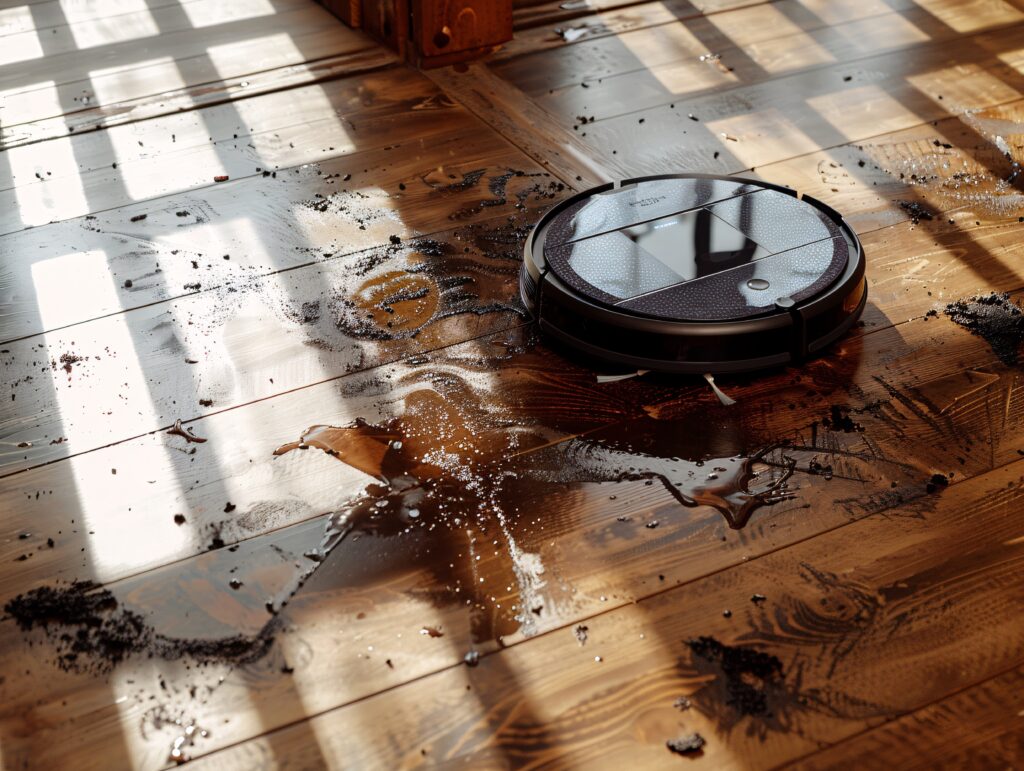
Water damage to wooden floors can happen for several reasons. Some occur suddenly, while others develop slowly over time.
Understanding these causes can help homeowners prevent future problems.
Plumbing Leaks
One of the most frequent causes of wood floor water damage is leaking pipes.
Leaks may occur beneath sinks, inside walls, or underneath flooring where they remain unnoticed for long periods.
Slow leaks are particularly damaging because the moisture continuously seeps into the flooring materials.
Signs of hidden plumbing leaks include:
• Damp patches on floors • Musty odours in certain rooms • Unexpected increases in water bills • Warped or lifting floorboards
Appliance Failures
Household appliances such as washing machines, dishwashers, and refrigerators can sometimes leak water onto nearby flooring.
Even small amounts of water can cause significant damage if they remain trapped under wooden boards.
For example, a leaking washing machine hose may slowly release water onto the floor each time the appliance runs.
Over time, this moisture spreads beneath the boards and affects the subfloor.
Flooding or Water Intrusion
Flooding is one of the most severe causes of wood floor water damage.
Floodwater can quickly soak through wooden boards and into structural layers beneath. In these situations, professional drying equipment is often required to remove moisture effectively.
Industrial dehumidifiers and air movers are commonly used in restoration projects to dry affected areas.
Spills and Surface Water
Although small spills may appear harmless, repeated exposure to water can damage wooden floors over time.
Examples include:
• Pet water bowls spilling • Wet shoes during rainy weather • Overwatering indoor plants • Cleaning floors with excessive water
Regular moisture exposure gradually weakens protective coatings and allows water to penetrate the wood.
Read also- why are my water bills so high
Early Signs of Wood Floor Water Damage
Identifying wood floor water damage early is crucial for preventing further deterioration.
Several warning signs may appear before the damage becomes severe.
Warping or Buckling Boards
When wood absorbs moisture, it expands.
This expansion often causes floorboards to warp, bend, or lift away from the subfloor.
In severe cases, boards may completely buckle upward.
Cupping or Crowning
Cupping occurs when the edges of floorboards rise higher than the centre.
Crowning is the opposite effect, where the centre of the board rises.
Both conditions indicate moisture imbalance within the flooring structure.
Discolouration and Stains
Water exposure may leave dark patches or stains on wooden floors.
These stains are often caused by mineral deposits or mould growth beneath the surface.
Musty Odours
A persistent damp or musty smell may indicate trapped moisture beneath flooring materials.
This smell often appears before visible damage becomes obvious.
The Hidden Risks of Ignoring Water Damage
Many homeowners delay addressing wood floor water damage, assuming the issue will resolve on its own.
Unfortunately, untreated moisture can lead to more serious problems.
Mould Growth
Moist environments create ideal conditions for mould growth.
Mould spores can spread quickly through flooring, walls, and ventilation systems.
This may affect indoor air quality and cause health concerns for occupants.
Structural Damage
When moisture reaches the subfloor or structural beams beneath flooring, it may weaken the building’s framework. Over time, this can lead to sagging floors or weakened support structures.
Increased Repair Costs
Minor moisture damage may only require drying and small repairs.
However, prolonged exposure may require complete floor replacement and structural repairs.
How Water-Damaged Wood Floors Are Restored
The restoration process depends on the severity of the damage.
Professional restoration specialists typically follow several steps when dealing with wood floor water damage.
Moisture Inspection
Technicians first inspect the affected area using specialised moisture detection equipment.
These tools measure moisture levels within flooring materials and identify hidden water pockets.
Water Extraction
If standing water is present, it must be removed quickly using extraction equipment.
Removing surface water helps prevent further absorption into wooden boards.
Structural Drying
Industrial dehumidifiers and air movers are used to reduce moisture levels within the flooring and surrounding environment.
These machines accelerate evaporation and restore normal humidity levels.
Floor Repairs
Depending on the damage, restoration may involve:
• Sanding and refinishing the floor surface • Replacing individual boards • Repairing subfloor materials • Treating mould or microbial growth
Professional restoration companies such as Disaster Care Capital often combine drying equipment with structural repairs to restore flooring safely.
Example: A Hidden Kitchen Leak
A homeowner once noticed slight warping near their kitchen cabinets.
Initially, they assumed the problem was caused by humidity.
However, a small leak from the dishwasher connection had been slowly releasing water beneath the floor for months.
By the time the issue was discovered, several boards had already begun to warp and cup.
Fortunately, early intervention allowed technicians to dry the area and replace only a few boards rather than the entire floor.
This example demonstrates how wood floor water damage can develop gradually but become serious if ignored.
Preventing Water Damage to Wooden Floors
While accidents cannot always be avoided, there are several steps homeowners can take to protect wooden flooring.
Fix Plumbing Problems Quickly
Even small leaks should be repaired immediately to prevent moisture from spreading beneath floors.
Use Protective Mats
Placing mats near sinks, washing machines, and entrances helps absorb water before it reaches wooden floors.
Maintain Proper Indoor Humidity
Keeping indoor humidity levels between 30% and 60% helps prevent excessive expansion or contraction of wood.
Clean Spills Immediately
Any water spilled on wooden floors should be wiped up quickly to prevent absorption.
When Professional Help Is Necessary
In many cases, minor moisture exposure can be addressed with basic drying and cleaning.
However, professional assistance is recommended when:
• Floors are severely warped or buckling • Large areas are affected by water • Flooding has occurred • Mould growth is present • Moisture has reached the subfloor
Restoration specialists have the equipment and expertise needed to dry structures thoroughly and prevent long-term damage.
Conclusion
Wood floor water damage is a common issue in many homes, particularly when leaks, flooding, or high humidity expose wooden flooring to moisture.
Because wood naturally absorbs water, even small leaks can gradually cause warping, staining, and structural damage. Recognising early warning signs such as cupping boards, discolouration, and damp odours allows homeowners to act quickly and minimise repairs.
Professional drying equipment and restoration services can often restore damaged flooring if the problem is addressed early. By maintaining proper humidity levels, repairing leaks promptly, and cleaning spills quickly, homeowners can protect their wooden floors and preserve their property’s long-term value.
FAQs
Can water-damaged wood floors be repaired?
Yes. In many cases, damaged floors can be restored through drying, sanding, or replacing affected boards.
How long does it take for wood floors to dry after water damage?
Drying times vary depending on the amount of water and the extent of the damage, but professional drying may take several days.
Will water-damaged wood floors always need replacement?
Not always. If the damage is detected early, restoration techniques may allow floors to be repaired rather than fully replaced.





