


Wondering why mould grows faster in summer? The quick answer is simple: mould thrives in summer because its two primary catalysts peak simultaneously. Temperatures within the 20–30°C range accelerate mould metabolism, while elevated humidity provides the necessary hydration. When indoor relative humidity exceeds 60%, mould can colonise surfaces in as little as 24 to 48 hours.
Contrary to the common belief that mould is exclusively a winter issue, the British summer often creates a perfect storm for fungal growth. At Disaster Care Capital, we remediate damp and mould issues across the UK year-round. This guide explains why mould grows faster in summer and how you can protect your property.
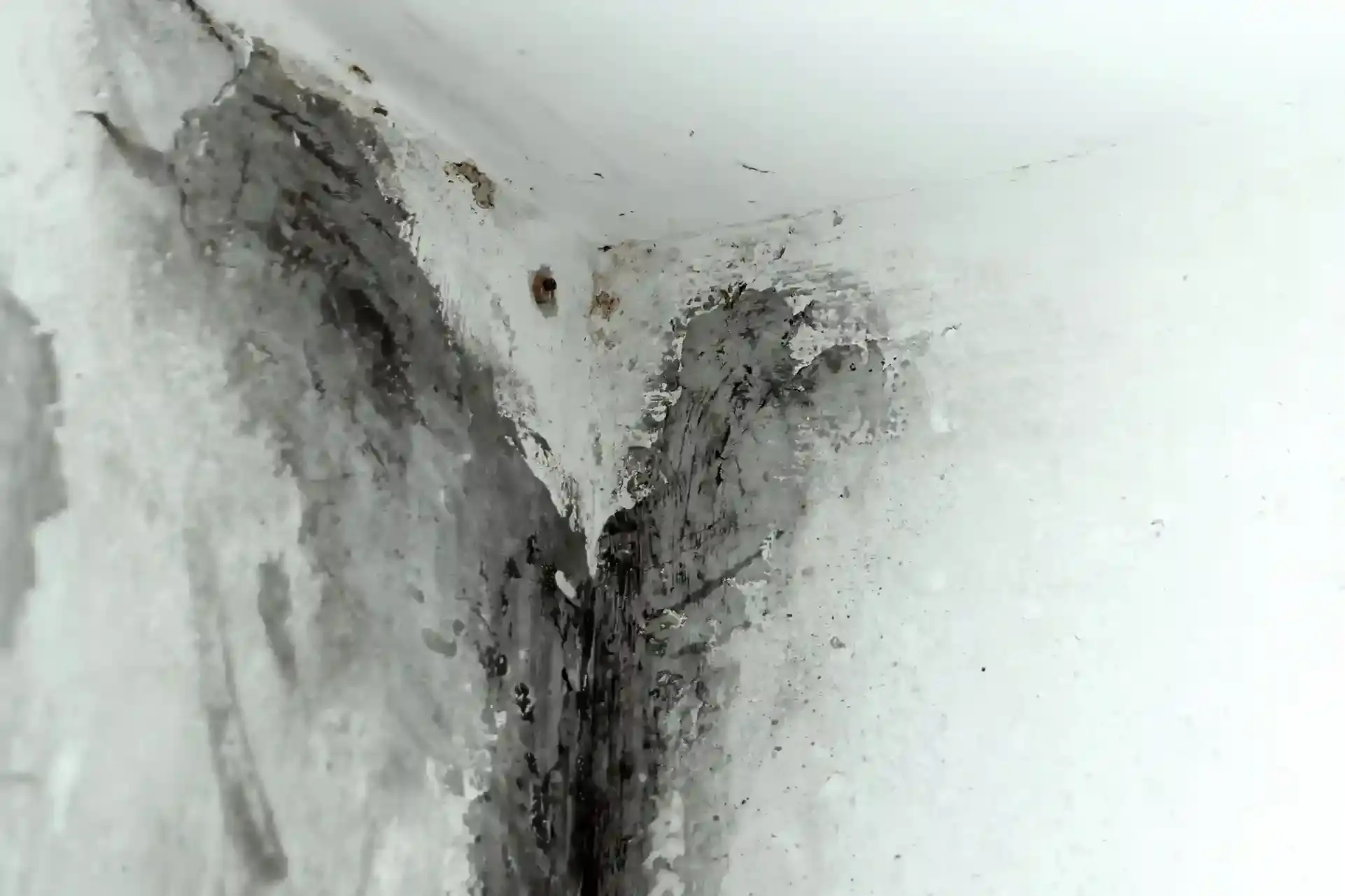
The Science of Summer Mould Growth
Mould needs three things to thrive, often called the mould growth triangle: warmth, moisture and something organic to feed on. Summer serves up two of these in generous quantities at once, which is exactly why mould grows faster in summer than at other times of year.
- Heat accelerates it. Like most living organisms, mould is more active when it is warm. As temperatures rise into its preferred range, its metabolism speeds up, so it grows and reproduces faster.
- Humidity feeds it. Warm air holds far more water vapour than cold air, so summer humidity levels are naturally higher, giving mould the moisture it needs to colonise surfaces.
Mould requires a “growth triangle” of warmth, moisture, and organic nutrients. Summer provides these in abundance. Unlike winter mould, which often relies on localised condensation, summer mould benefits from ambient warmth and moisture available throughout a building.
The Impact of Humidity and Heat
Relative humidity (RH) is the primary driver of fungal activity. Because warm air holds significantly more water vapour than cold air, summer humidity levels naturally rise. Porous materials like plasterboard, timber, and carpets absorb this airborne moisture, creating an ideal substrate for spores.
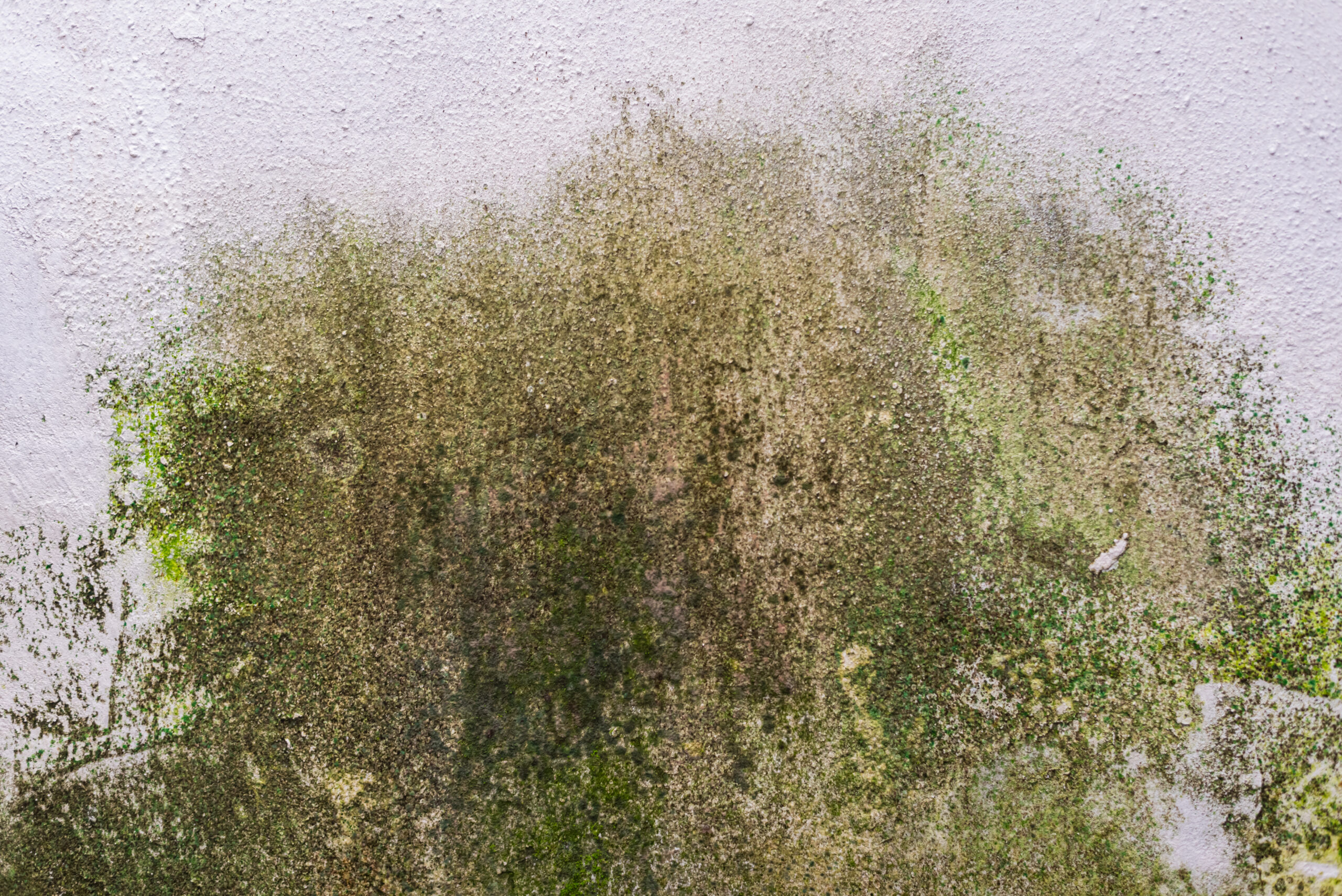
Temperature acts as the accelerator. While mould can survive in various climates, it thrives between 20°C and 30°C—temperatures commonly reached inside UK homes during the summer months. Under these optimal conditions, a negligible damp patch in June can escalate into a widespread infestation within days.
Common Problem Areas in the Home
Summer mould typically manifests in areas where warmth meets stagnant, moist air:
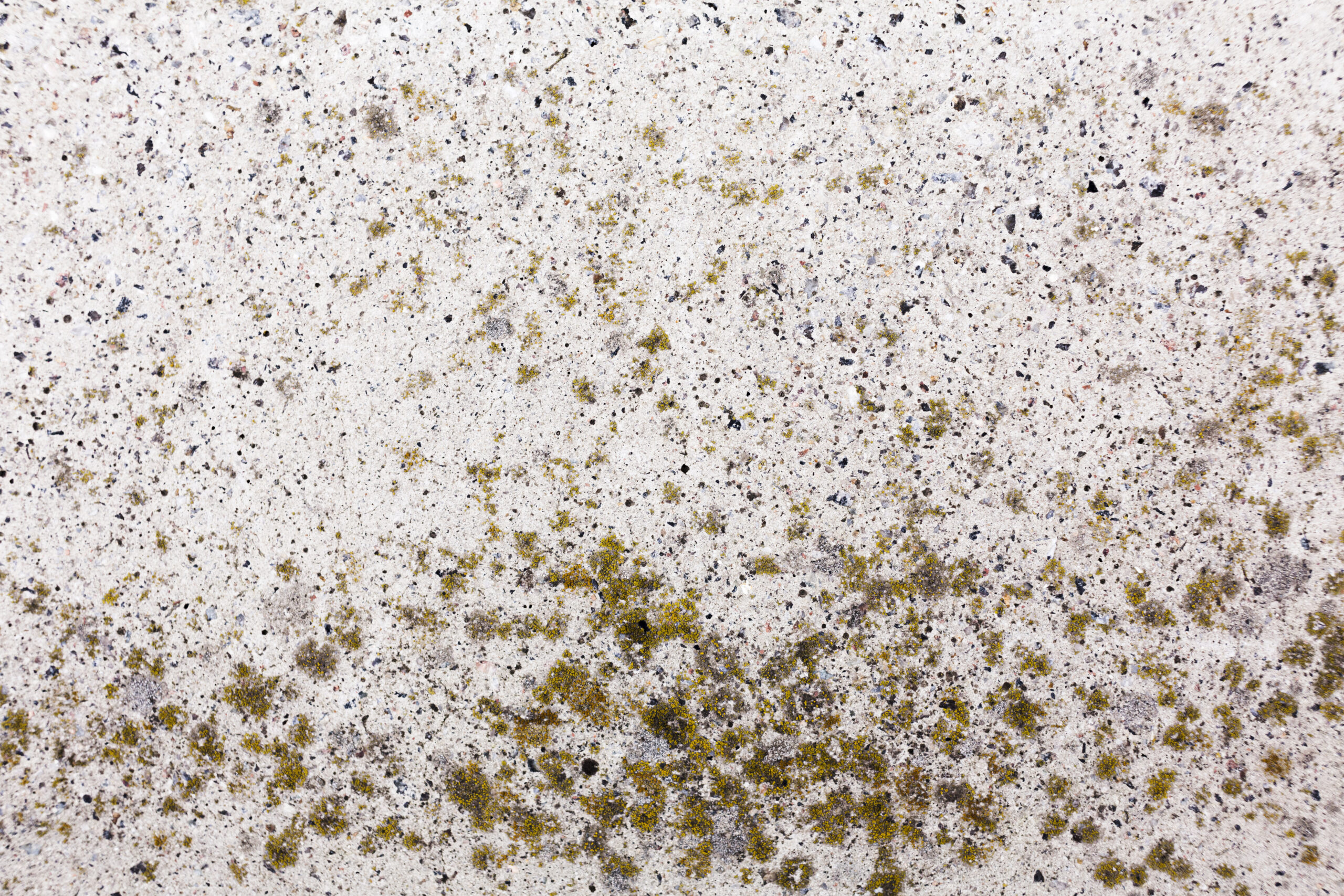
- Humid, poorly ventilated rooms where damp air has nowhere to escape
- Bathrooms and Kitchens: High-moisture zones that generate daily steam.
- Basements and Cellars: Areas where warm, humid air condenses against cooler subterranean walls.
- Lofts and Attics: Often subject to extreme heat and restricted airflow.
- Air Conditioning Systems: Units where condensation can accumulate in drip trays and filters.
- Hidden leaks from summer storms or plumbing, where warmth then accelerates growth
- Cool Surfaces: Pipes and tiled floors where humid air converts into liquid moisture.
Because the moisture in summer is often in the air itself rather than from an obvious leak, the source can be harder to spot, which is one reason summer mould catches people out.
Spotting the Early Signs of Summer Mould
Because summer mould is often driven by humidity rather than an obvious leak, the early warning signs can be subtle. Catching them quickly is the difference between a wipe-down and a remediation job. Look and sniff for:
- A persistent musty or earthy smell that lingers even after cleaning
- Small dark or greenish spots appearing in corners, on ceilings or around windows
- A room that feels clammy, humid or “heavy” compared with the rest of the house
- Condensation forming on cold surfaces such as pipes, tiles or basement walls
- Peeling paint or wallpaper, or a damp feel to plaster and fabrics
If you notice any of these during a warm, humid spell, treat it as a prompt to check humidity levels and ventilation before the problem spreads.
Health Risks and Implications
Mould is more than an aesthetic issue; it poses significant health risks. Exposure can exacerbate respiratory conditions like asthma and cause allergic reactions, coughing, and wheezing. Children, the elderly, and immunocompromised individuals are particularly at risk. For further details, consult the GOV.UK guidance on health risks from damp and mould.
Proactive Steps to Prevent Summer Mould
The good news is that because summer mould is driven by humidity, controlling moisture in the air is highly effective. Key steps include:
- Keep indoor humidity down, ideally below around 50–60%. A hygrometer (humidity meter) is a cheap way to keep an eye on it.
- Use a dehumidifier in persistently humid rooms, basements or during muggy spells.
- Ventilate well. Open windows on cooler, drier days, and keep trickle vents clear so damp air can escape.
- Use extractor fans in bathrooms and kitchens, and try not to dry washing indoors.
- Maintain any air conditioning, cleaning or replacing filters and keeping condensate drains clear so the unit does not become a mould source.
- Fix leaks quickly, as summer heat turns even minor water ingress into rapid mould growth.
- Move furniture slightly away from walls to let air circulate and prevent trapped, humid pockets.
Professional Remediation: When to Seek Help
If mould growth exceeds one square metre, recurs after cleaning, or emits a strong odour with no visible source, professional intervention is required. Specialists use advanced diagnostics to identify hidden moisture and ensure safe removal, preventing the accidental dispersal of spores that often occurs during DIY cleaning.
Conclusion
So, why mould grows faster in summer comes down to one thing: summer provides mould with the heat and humidity it needs to spread rapidly, all at once. By maintaining vigilance and controlling indoor moisture levels through ventilation and dehumidification, you can mitigate these risks. Early action is key to keeping your home healthy and structurally sound during the warmest months of the year.
If mould or damp is taking hold in your home or business anywhere in the UK, Disaster Care Capital provides professional mould investigation and remediation that targets the root cause, not just the symptoms.
Frequently Asked Questions
Is mould worse in summer or winter?
Neither is universally worse, the driver simply changes, with summer mould fuelled by humidity and heat, and winter mould by condensation on cold surfaces. Warm, humid summer conditions can, however, make mould grow noticeably faster.
What humidity level stops mould growing?
Keeping indoor relative humidity below around 60%, and ideally nearer 50%, makes it much harder for mould to grow. A cheap humidity meter helps you monitor levels through humid spells.
Can air conditioning cause mould in summer?
Yes, if it is poorly maintained, condensation in filters, ductwork and drip trays can become a breeding ground. Regular cleaning and clearing the condensate drain prevents this.





