


Damp in a new build homes is one of the most frustrating and commonly misunderstood property problems in the UK. Buyers who have just paid a premium for a brand-new property expect it to be dry, warm, and free from the moisture problems associated with older stock. When mould appears on bedroom walls, windows run with condensation every morning, or plaster feels damp to touch, the reaction is usually confusion, and often, a developer who insists it is the occupant’s fault.
In many cases, the developer is wrong. New builds are susceptible to specific types of damp that are directly caused by their construction, their materials, and their design, not by how the occupants behave. Understanding the causes is the foundation for getting the problem resolved properly, whether through warranty, developer action, or professional remediation.
Why New Builds Are Vulnerable to Damp
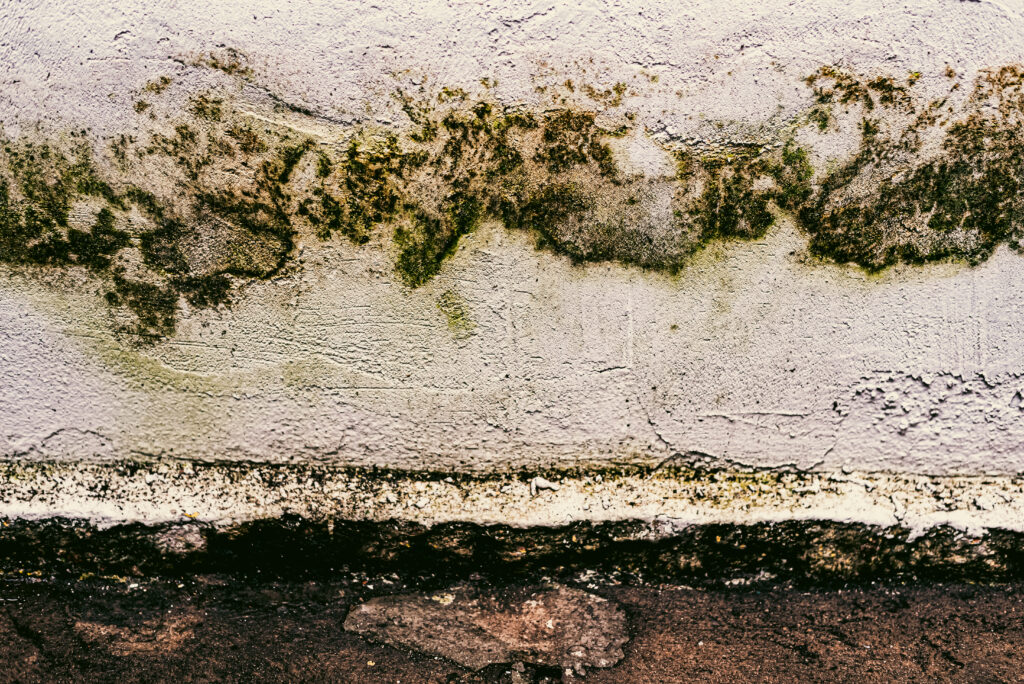
The damp problems most commonly found in new build properties fall into three distinct categories, each with a different cause and a different solution.
Construction Moisture
Every new building contains enormous quantities of water from its construction process. The concrete in the foundations and ground floor slab, the mortar in the brickwork, the plaster on every wall, the screed under the flooring, all of these materials are mixed with water and contain significant residual moisture when the property is handed over.
This construction moisture needs to dry out through the building fabric and into the air. In a house with standard ventilation, this process typically takes 12 to 18 months for a new build to reach equilibrium with its environment. During this drying-out period, elevated ambient humidity is normal. Condensation on windows and cold surfaces in winter is common. The question is whether the building has adequate ventilation to manage this moisture load without it concentrating in specific areas and creating mould.
Many new builds are so well insulated and air-tight that natural ventilation is insufficient to manage the construction moisture effectively. The result is high indoor humidity, surface condensation, and black mould growth in corners, on window reveals, and behind furniture, all without any fault by the occupant.
Inadequate Mechanical Ventilation Design
Modern UK building regulations require new build properties to have mechanical ventilation systems, typically Mechanical Ventilation with Heat Recovery (MVHR) or individual bathroom and kitchen extraction fans, precisely because the buildings are too airtight for natural ventilation alone to manage moisture.
When these systems are designed poorly, installed incorrectly, or not commissioned properly at handover, they fail to extract moisture at the rate the building generates it. The result is the same as above, elevated humidity, condensation, and mould, but the cause is a building defect rather than occupant behaviour.
Common ventilation failures in new builds include:
- MVHR units installed but not set to the correct flow rates for the property
- Extract fans ducted into ceiling voids rather than externally
- Trickle vents in windows blocked or absent
- No kitchen cooker hood ducted externally, relying solely on recirculating filters
Any of these represents a defect in the building, not a lifestyle problem, and is the developer’s responsibility to correct.
Thermal Bridging
Thermal bridging occurs where elements of the building fabric that are poor insulators connect the warm interior with the cold exterior, creating cold spots on internal surfaces where the surface temperature drops below the dew point of the indoor air and condensation forms.
In new builds, common thermal bridges include:
- Window and door reveals where insulation is thinner than in the main wall
- Junctions between external walls and internal floors or ceilings
- Steel structural elements that conduct cold from outside to inside
Thermal bridging is a design issue. It can be assessed and quantified during construction but is often only discovered once the occupants move in and find specific cold spots that consistently develop condensation and mould regardless of how the property is ventilated.
Read also- Does buildings insurance cover burst pipes UK?
Your Rights Under the NHBC Buildmark Warranty
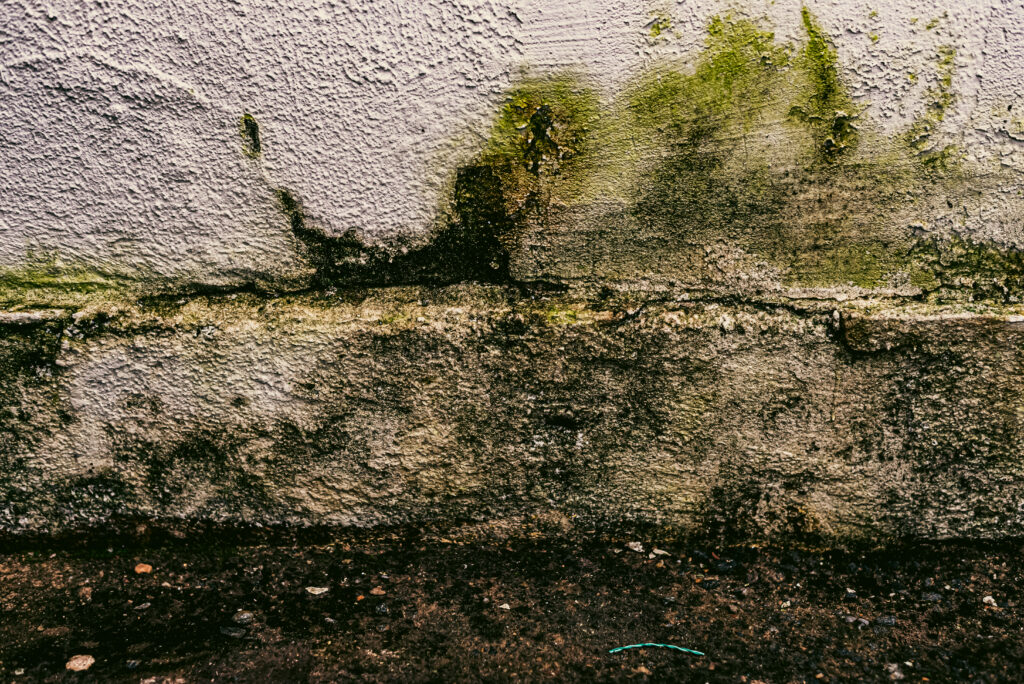
Most new build properties in England and Wales are covered by an NHBC Buildmark warranty, which provides two distinct phases of cover.
Years 1 and 2, builder’s obligations. During the first two years, any defects in the property are the builder’s responsibility to remedy. If damp, condensation, and mould are caused by construction moisture, ventilation failure, or thermal bridging, all of which are defects rather than normal conditions, the builder must rectify them.
Years 3 to 10, NHBC structural cover. From year three onward, the NHBC takes over direct responsibility for major structural and physical damage, but the builder’s responsibility for making good defects has ended.
To make a warranty claim:
- Notify the developer in writing as soon as you identify a problem, with photographs and dates
- Allow them the opportunity to inspect and carry out works within a reasonable time
- If the developer disputes the cause or fails to act, escalate to the NHBC directly through their resolution service
- If the dispute cannot be resolved, the NHBC has an independent dispute resolution process
The critical distinction for any claim is whether the damp is caused by a building defect (developer’s responsibility) or by how the property is being occupied (occupant’s responsibility). A developer will almost always argue the latter. Professional assessment using calibrated moisture meters and thermal imaging that objectively establishes the moisture distribution pattern, and identifies whether it is consistent with construction moisture or thermal bridging rather than condensation from occupant behaviour, is often the evidence that determines the outcome of a warranty dispute.
Read also- Can I choose my own restoration company for an insurance claim?
What Professional Assessment Provides for a Warranty Claim
Disaster Care Capital provides BDMA-certified moisture surveys for new build properties, producing calibrated moisture readings across all affected surfaces, thermal imaging findings that identify cold spots and thermal bridges, and written reports that distinguish between construction-related damp and occupant-driven condensation.
This professional documentation matters because it gives the developer and NHBC objective evidence rather than competing assertions. A report showing that moisture meter readings are elevated in a pattern consistent with construction moisture drying outward through the wall fabric, rather than the surface-specific condensation pattern that characterises lifestyle-driven moisture, is far harder to dismiss than a homeowner’s photographs of mould.
Call Disaster Care Capital today to arrange a new build moisture survey. We cover all London boroughs and work with both occupants and developers on new build damp disputes.
For guidance on NHBC warranty claims and dispute resolution, check: NHBC, making a warranty claim
What to Do If You Have Damp in a New Build Right Now
If you are currently experiencing damp or mould in a new build property:
- Document everything immediately, photograph all affected areas with timestamps, note where and when mould appears, and record whether it worsens in cold weather or after periods of humidity
- Report it to the developer in writing rather than verbally, this starts the formal record of their awareness and response timeline
- Do not attempt to simply clean the mould with domestic products and repaint, surface treatment of condensation mould caused by an underlying ventilation defect will not last more than weeks
- Check that all ventilation systems are functioning, run the extraction fans, check that any MVHR system has been commissioned and is operating, confirm trickle vents are open
- Commission a professional moisture survey if the developer disputes the cause or fails to respond constructively within a reasonable period
For official guidance on new build defects and your rights, check: GOV.UK, new homes: your rights as a buyer
Conclusion
Damp in a new build home is more common than developers acknowledge, and it is more often a building defect than an occupant problem. Construction moisture, inadequate ventilation design, and thermal bridging are all causes that originate in the building itself, not in how it is used. Understanding which mechanism is at work, and having professional documentation to support that assessment, is the foundation for getting it resolved through the warranty process.
Disaster Care Capital provides BDMA-certified new build moisture surveys across London, the professional assessment that distinguishes defect-driven damp from lifestyle condensation and supports warranty and developer claims effectively.
Frequently Asked Questions
Does the NHBC warranty cover damp and mould?
The NHBC Buildmark warranty covers defects in the first two years that are the builder’s responsibility. Damp caused by a ventilation defect, thermal bridging, or construction moisture that the building cannot manage, rather than by occupant behaviour, qualifies as a defect. The NHBC has its own resolution service for disputes where the developer disagrees.
How do I prove damp in a new build is the developer's fault?
Professional assessment using calibrated moisture meters and thermal imaging produces objective evidence of where moisture is concentrated and what pattern it follows, which can be compared to the distribution expected from construction drying versus occupant condensation. This documented technical evidence is substantially harder for a developer to dismiss than photographs alone.
Can I claim against the developer for damp in a new build?
Yes, within the first two years under the NHBC Buildmark warranty (and most other new build warranties), damp caused by construction defects is the builder’s responsibility to remedy. Report the problem in writing immediately, allow the developer to inspect, and escalate to the NHBC if the developer disputes the cause or fails to act within a reasonable time.





