


If you have noticed water seeping through a wall when it rains but there’s no leak, it can be confusing and worrying. Many homeowners assume that if there is no obvious plumbing leak or roof damage, the problem must be minor. Unfortunately, water entering your walls during rainfall is often a sign of penetrating damp or structural water ingress, which can worsen over time.
This issue is particularly common in the UK due to frequent rainfall and ageing building materials. Damp patches that appear during storms, peeling paint, mould growth, and musty smells often indicate that moisture is entering through the building envelope rather than from an internal pipe. According to building specialists, rainwater can penetrate masonry through cracks, damaged mortar joints, or poor drainage around the property.
Understanding the causes behind water seeping through a wall without a leak is essential to preventing long-term structural damage and costly repairs. In this guide, we will explore why this happens, how to identify the source, and what professional solutions can protect your property.
Why Water Seeps Through Walls During Rain
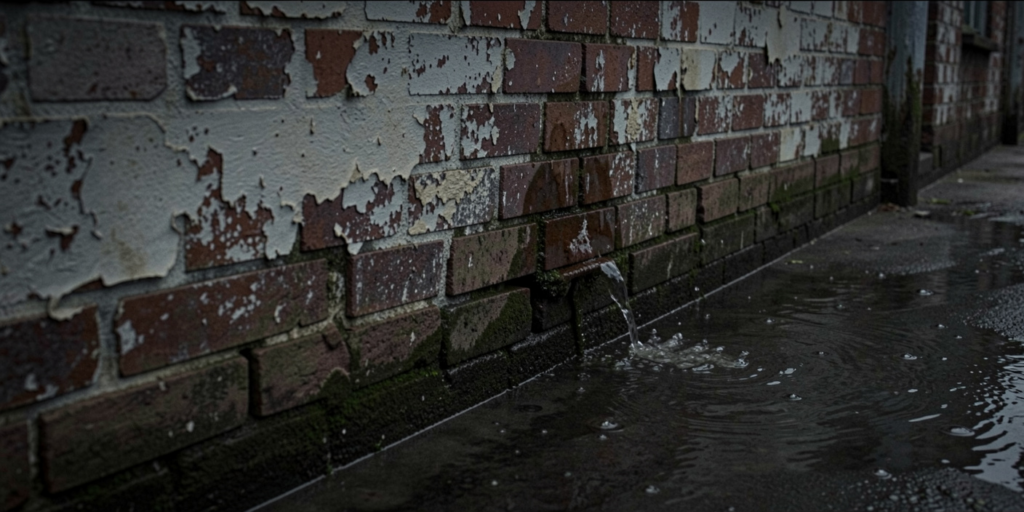
Many property owners are surprised to discover that water can enter a building even when there is no visible leak. The reason is that most construction materials, including brick and concrete, are naturally porous.
Over time, rainwater can penetrate these materials, particularly if the building’s protective barriers have deteriorated.
Common causes include:
- Damaged brickwork or mortar
- Blocked gutters or faulty downpipes
- Cracks in walls or foundations
- Poor window and door seals
- Saturated or porous masonry
When these problems combine with heavy rainfall or wind-driven rain, water can slowly pass through the external wall and appear inside the property.
This is often referred to as penetrating damp, which tends to worsen during wet weather and disappear when conditions dry out.
For more information about penetrating damp and its effects, for more info check:
https://www.properla.co.uk/penetrating-damp
Common Causes of Water Seeping Through Walls
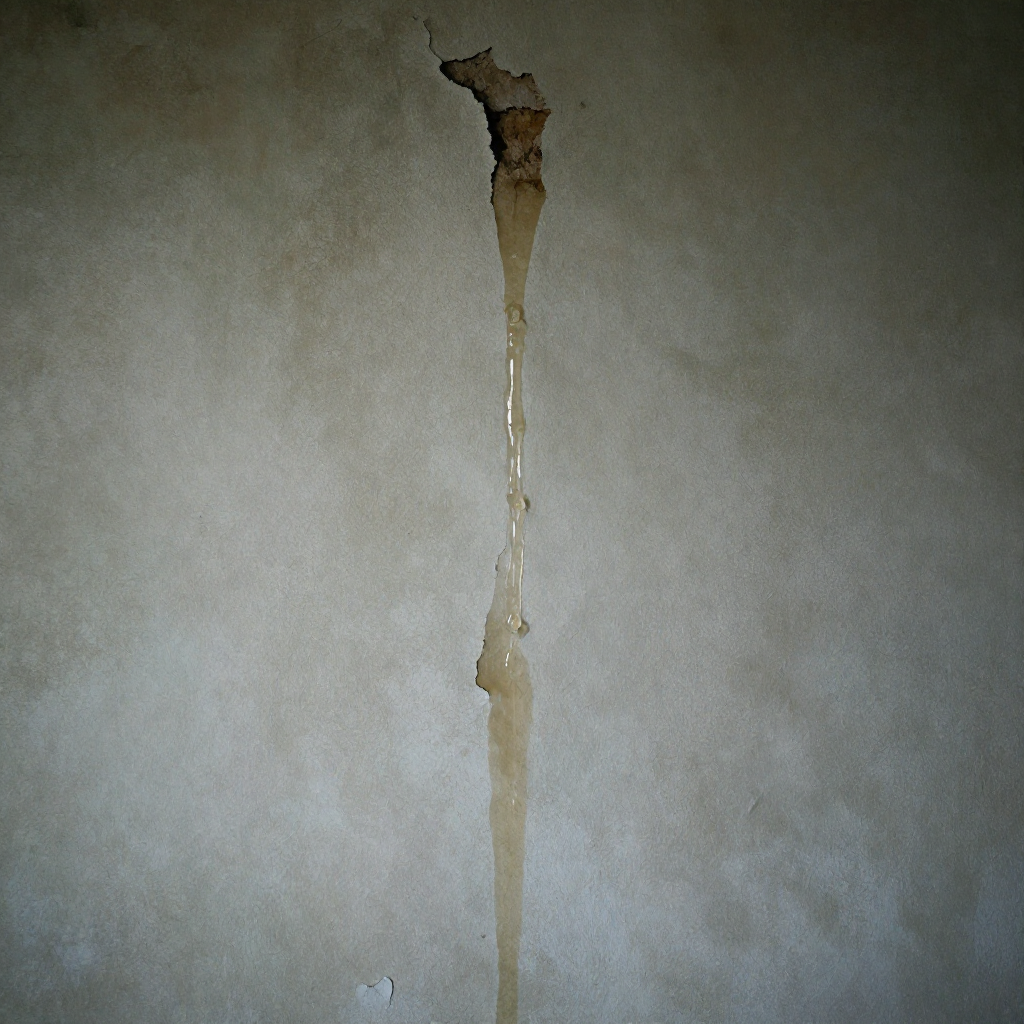
Understanding the root cause is the first step in resolving the issue effectively.
1. Cracked Brickwork or Mortar
Over time, bricks and mortar joints can deteriorate due to weather exposure, frost damage, and structural movement.
Even small cracks can allow rainwater to enter the wall structure.
Once inside, the moisture travels through the masonry and eventually appears as damp patches on interior surfaces.
Older UK properties are especially vulnerable because traditional brick walls rely heavily on mortar joints to keep moisture out.
2. Blocked or Damaged Gutters
One of the most overlooked reasons for water seeping through wall when it rains but no leak is faulty guttering.
When gutters become clogged with leaves and debris, rainwater overflows and runs down the external wall instead of being directed away from the property.
This constant exposure saturates the brickwork and allows moisture to penetrate the structure.
Regular gutter maintenance can often prevent this issue entirely.
3. Porous or Ageing Masonry
Bricks and stone naturally absorb moisture. Over decades, their protective outer layer can erode, making them more susceptible to water absorption.
During prolonged rainfall, these materials can become saturated, allowing moisture to migrate through the wall.
This problem is particularly common in buildings that lack modern waterproof coatings.
4. Wind-Driven Rain
In the UK, strong winds often drive rain horizontally against external walls rather than simply falling vertically.
This phenomenon, known as wind-driven rain, can force water deep into masonry surfaces over time.
Even thick brick walls can eventually allow moisture to pass through if they are repeatedly exposed to heavy storms.
5. Poor External Seals Around Windows and Doors
Another frequent cause is deteriorating sealant around windows, doors, or vents.
Small gaps can allow rainwater to enter the wall cavity and spread behind plaster or insulation.
The result is damp patches that appear indoors without any visible leak.
6. Poor Drainage Around the Property
Water pooling around the base of your property can increase pressure on the walls and foundations.
If the ground slopes towards your house instead of away from it, rainwater will collect against the walls and eventually seep through the masonry.
Improving drainage can significantly reduce the risk of water ingress.
Read also- how to clean upholstered furniture
Warning Signs of Water Penetration
Homeowners often notice the symptoms before they understand the cause.
Typical signs include:
- Damp patches that appear after rainfall
- Peeling paint or wallpaper
- Crumbling plaster
- Black mould growth
- Musty odours
- Dark stains on internal walls
These symptoms usually occur on external-facing walls, particularly those exposed to wind and rain.
In many cases, the damp patch becomes darker during storms and gradually dries out afterwards.
Why You Should Not Ignore the Problem
Some property owners delay addressing water seeping through walls when there’s no leak, assuming it will resolve on its own.
Unfortunately, ignoring the issue can lead to serious consequences.
Structural Damage
Repeated water penetration can weaken brickwork, mortar joints, and timber structures.
Over time, this may lead to costly structural repairs.
Mould Growth
Damp environments encourage mould and mildew growth, which can pose health risks to occupants.
Mould spores may aggravate respiratory conditions and allergies.
Interior Damage
Water ingress can damage plaster, paint, flooring, and insulation.
Repairing these interior surfaces can become expensive if the underlying problem is not addressed.
Read also- how does a dehumidifier work for damp
Professional Solutions for Water Seepage
When dealing with water seeping through a wall, professional assessment is often the best approach.
At Disaster Care Capital, we specialise in diagnosing and resolving complex water ingress issues.
Below are some common professional solutions.
Exterior Wall Waterproofing
Applying a breathable waterproof coating to exterior masonry helps prevent rainwater from entering the wall.
These coatings allow moisture vapour to escape while repelling rainwater.
This solution is particularly effective for exposed brick walls.
Repointing Brickwork
If mortar joints have deteriorated, repointing the brickwork can restore the wall’s protective barrier.
This involves removing damaged mortar and replacing it with fresh material.
Properly repointed walls are far more resistant to water penetration.
Gutter and Drainage Repairs
Ensuring gutters and downpipes function correctly is essential.
Professional drainage solutions may include:
- Clearing blocked gutters
- Repairing damaged downpipes
- Installing drainage channels
- Regrading landscaping
Crack Repairs and Structural Sealing
Hairline cracks in walls can be sealed using specialised waterproof compounds.
These materials prevent rainwater from entering while maintaining the wall’s breathability.
Damp Proofing Systems
In some cases, installing or repairing a damp-proof course may be necessary.
This barrier prevents moisture from travelling through the masonry.
For more information about damp proofing and building moisture issues, for more info check:
https://www.diydoctor.org.uk/projects/waterproofing-external-masonry.htm
How Disaster Care Capital Can Help
At Disaster Care Capital, we understand how stressful property damage can be.
When you experience water seeping through wall when it rains but no leak, our specialists provide comprehensive support including:
- Detailed property inspections
- Moisture and damp assessments
- Water ingress diagnosis
- Professional drying and restoration
- Structural waterproofing solutions
Our experienced technicians use advanced equipment to identify hidden moisture and prevent further damage to your property.
By addressing the root cause rather than just the visible symptoms, we help homeowners restore their properties safely and efficiently.
Preventing Future Water Ingress
Prevention is always more cost-effective than repair.
To reduce the risk of water seeping through wall when it rains but no leak, consider the following maintenance tips:
- Clean gutters regularly
- Inspect brickwork for cracks
- Repair damaged mortar joints promptly
- Maintain proper drainage around your property
- Seal windows and doors properly
- Apply waterproof coatings to exposed masonry
Regular property inspections can identify potential problems before they develop into serious issues.
Conclusion
Experiencing water seeping through wall when it rains but no leak can be frustrating and concerning for homeowners. Although there may be no visible plumbing leak, the problem is often caused by penetrating damp, porous masonry, drainage issues, or deteriorating building materials.
Ignoring the issue can lead to mould growth, structural damage, and expensive repairs.
By identifying the underlying cause and implementing professional waterproofing solutions, it is possible to protect your property and prevent further damage.
If you are dealing with water seeping through wall when it rains but no leak, Disaster Care Capital can provide expert inspection, remediation, and restoration services to ensure your property remains safe and dry.
FAQs
Why is water seeping through my wall when it rains but there is no leak?
This usually occurs due to penetrating damp, where rainwater enters through cracks in brickwork, damaged mortar joints, porous masonry, or faulty seals around windows and doors.
Is water seeping through walls a serious problem?
Yes. If left untreated, water ingress can lead to mould growth, structural damage, and deterioration of plaster and paint.
Professional solutions may include repointing brickwork, waterproof coatings, repairing gutters, improving drainage, sealing cracks, or installing damp-proofing systems depending on the cause





