


Some surprises are wonderful—an unexpected friend visiting, stumbling upon money in an old coat pocket. But water damage in a house? This is a homeowner’s worst nightmare.
For the full step-by-step process of dealing with water damage, see our complete water damage restoration guide.
Whether the flooding has occurred from a burst pipe, storm exposure, or in-road flooding from a leaking appliance, the foremost thing to do is act quickly. If water damage is untreated, it may lead to structural damage, mildew, and thousands in repairs.
So if you are wondering,” water damage in house what to do”, this guide will walk you through a series of steps meant to minimise damage, allow for proper cleanup, and avoid future catastrophes.
Water Damage in House What to Do?

Step 1: Safety Comes First
- Turn off Electricity – Switch off power at the mains if the level of the water is high or is near the electrical outlets.
- Wear Protecting Gears – Gloves, rubber boots, and a mask from exposure to bacteria and mould should be put on.
- Inspect for Structural Damage – Avoid walking on sagging floors or touching weakened walls or ceilings.
Step 2: Identify & Stop the Water Source
Investigate the immediate cause of water entering the property and stop it:
- Shut Off the Main Water Valve – Turn off your home’s water supply if the issue concerns a broken pipe or leaking appliance.
- Inspect Roof & Foundation – Heavy rain and flooding can lead to hidden leaks that need to be immediately addressed.
- Check for Plumbing Issues – Consulting a plumber can assist in locating hard-to-find leaks behind walls or underneath flooring.
Find a certified plumbing professional in the UK.
Step 3: Remove Standing Water ASAP
Stagnant water can cause extensive damage within hours. Here is a quick look at how to remove water:
- Wet-vacuum or Pump – Definitely needed for large volumes of water. Some people hire professional equipment to do the job fast.
- Mop & Blot Small Puddles – Remove residual water using towels and buckets.
- Absorbent Materials to Soak Up Water – Old blankets and towels could help remove just about any excess moisture.
Step 4: Dry All Affected Areas
Once standing water has been sucked out, drying your house is the ultimate safeguard against mares and warping:
- Open Windows & Doors – This will encourage airflow for faster drying.
- Direct Fans & Dehumidifiers Into Affected Areas – To keep blasting moisture from walls, floors, and air.
- Lift & Remove Carpets & Furniture – Rugs and sofas ultimately serve to trap moisture from underneath.
Step 5: Cleaning and Sanitising the Area
Water damage can introduce harmful bacteria, especially when associated with sewage water. This makes it very essential for adequate disinfection:
- Bleach or disinfectant solution – Wipe surfaces touched by the water to remove bacteria and mould growth risks.
- Clean all salvaged items, such as furniture, clothes, or household articles, and dry them thoroughly.
- Dispose of contaminated items: soaked carpets, books, and cardboard may also have to be discarded.
Step 6: Look for Hidden Water Damages
Everything may appear dry and normal, but such hidden water damages can spell big problems in the future:
- Walls & Ceilings Examine- look for warps and stains, as well as peeling or chipping paint.
- Use Moisture Metre – using a moisture metre can detect moisture inside walls or beneath the floor.
- Call a Water Damage Restoration Expert- professionals will have special equipment to uncover any such hidden leak damage before it turns into a true major issue.
Do you need leak detection services?
Step 7: Contact Your Insurance Provider
If the water damage is extensive, need to file an insurance claim for reimbursement:
- Document Everything- take photos and videos of all the damage.
- Review Your Policy-some policies come under burst pipes but not flood damage from natural phenomena.
- Ask About the Claims Process-your provider will discuss the claims next steps to take, including the documentation required.
Know about : Average insurance payout for water damage uk
Step 8: Consult with Professional Water Damage Restoration
They Found Hidden Troubles and Fix Them- this prevents future complications. Industrial Drying Equipment-they tend to use equipment that is more effective than the home methods.
How to Prevent Future Water Damage?
To prevent future water damage, take these practical steps:
-
Inspect roofs, pipes, and plumbing regularly
-
Fix leaks immediately, even small ones
-
Clean and maintain gutters and drains
-
Install a sump pump and water leak detectors
-
Ensure proper ventilation to reduce moisture
-
Seal windows, doors, and foundation cracks
-
Know where your main water shut-off valve is
Regular maintenance and early detection are the best ways to protect your home from water damage.
Why Disaster Care Capital?
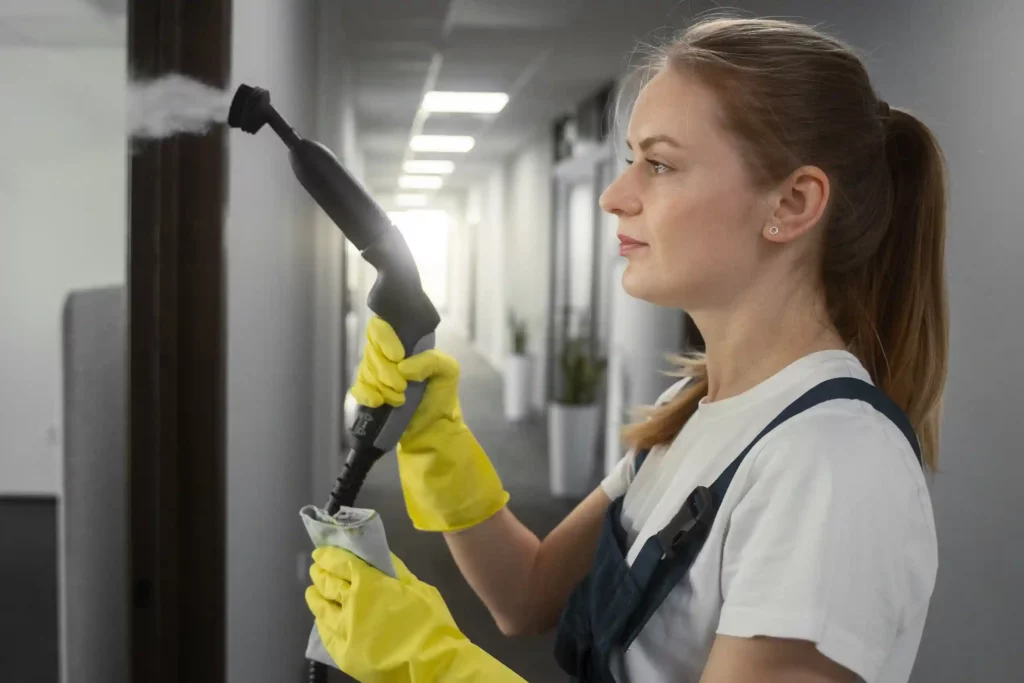
- Fast Response Time- Quick arrival means less damage.
- Certified Technicians- Our trained staff is skilled in advanced water damage recovery.
- Comprehensive Services- Water extraction services from end to end to full home restoration.
- Insurance Coverage- to maximise your claims.
Read also: Water Damage House Repair Costs
Conclusion
How will you deal with water damage to a house? The first thing to do is very important. In fact, if you take prompt action, you may avoid costly repairing, mould problems, and damage to structures in general.
- Safety comes first: Turn off electricity and water.
- Remove standing water and begin drying.
- Clean and sanitise all affected areas. Call in the professionals if needed to ensure that the entire area is fully restored.
Who to call for water damage?
For water damage, call professional restoration specialists immediately—Disaster Care Capital offers 24/7 expert emergency response to protect and restore your property fast.
How bad is water damage to a house?
Water damage to a house can be very serious, ranging from minor cosmetic issues to major structural and health risks, depending on the amount of water and how quickly it’s addressed. Minor damage: stains, warped flooring, and damaged paint Moderate damage: soaked walls, ruined insulation, electrical risks Severe damage: structural weakening, mould growth, and possible collapse If left untreated, water damage can spread quickly, increase repair costs, and pose safety hazards, which is why immediate professional action is critical.





