


If you’ve recently bought a dehumidifier and you’re wondering how to use a dehumidifier for the first time, you’re not alone. Many property owners invest in one after spotting mould on walls, peeling paint, condensation on windows, or that musty smell that just won’t shift.
At Disaster Care Capital, we regularly assist homeowners and landlords dealing with damp, mould and water damage. The truth is simple: using your dehumidifier properly from day one can prevent thousands of pounds in repair costs.
This guide explains exactly how to use a dehumidifier for the first time, step by step — so you can protect your home, your health and your belongings.
Why Proper Use Matters
A dehumidifier is not just a plug-in appliance. It is part of a moisture control strategy.
If used incorrectly, it may:
- Run inefficiently
- Fail to reduce humidity properly
- Increase energy bills
- Leave damp areas untreated
Excess humidity can lead to mould growth, which the NHS warns may trigger respiratory issues, allergies and worsen asthma symptoms. For more info check: https://www.nhs.uk/conditions/damp-and-mould-health-risks/
Understanding how to use a dehumidifier for the first time ensures you get maximum performance from the start.
Read also- how does a dehumidifier work for damp
Step 1: Choose the Right Location
The first mistake many people make when learning how to use a dehumidifier for the first time is placing it incorrectly.
Where to position it:
- In the centre of the room if possible
- At least 15–20cm away from walls
- Near the source of moisture (e.g. after a leak or flooding)
- Close to a power socket
- Away from furniture blocking airflow
Example:
If you’ve had a small kitchen leak and cupboards feel damp, place the dehumidifier centrally in the kitchen, close doors and windows, and let it work in a sealed environment.
If drying a specific area (such as after a pipe burst), position it facing the damp wall or affected zone.
Step 2: Let It Settle Before Switching On
If your unit has been transported on its side, allow it to stand upright for at least 4–6 hours before switching it on. This allows the refrigerant and compressor oil to settle.
Skipping this step may damage the internal system.
When advising clients on how to use a dehumidifier for the first time, we always stress patience at this stage.
Step 3: Check and Install the Water Tank Properly
Remove the water tank and reinsert it securely before switching on. Most dehumidifiers will not operate if the tank is not fitted correctly.
If your model has a continuous drainage option:
- Attach the hose securely
- Ensure the hose slopes downward
- Avoid kinks or bends
This is particularly useful in severe damp cases or post-flood situations.
Step 4: Set the Correct Humidity Level

Now we reach the most important step in understanding how to use a dehumidifier for the first time: choosing the right humidity level.
The Energy Saving Trust recommends maintaining indoor humidity between 40% and 60% for comfort and energy efficiency.
For more info check: https://energysavingtrust.org.uk/advice/home-humidity/
Recommended Settings:
- 50–55% for general living areas
- 45–50% for damp-prone areas
- 40–45% if mould is already present
Avoid setting it too low (below 35%), as this can:
- Dry out wooden furniture
- Cause cracked paint
- Increase electricity usage
Step 5: Close Doors and Windows
One of the most overlooked aspects of how to use a dehumidifier for the first time is environmental control.
If doors or windows are open, moisture from outside continuously enters the space, making the appliance work harder and less effectively.
Think of it like heating a room in winter — you wouldn’t leave the windows open.
Step 6: Allow It to Run Continuously (At First)
During the first 24–72 hours, especially in damp or recently flooded properties, allow the unit to run continuously.
You may be surprised how much water collects.
Real Example:
After a minor washing machine leak, a client in Central London ran a 20L dehumidifier for 48 hours and extracted nearly 15 litres of moisture from walls and flooring.
That moisture would otherwise have remained trapped — leading to hidden mould growth.
Step 7: Empty and Clean Regularly
When learning how to use a dehumidifier for the first time, maintenance is crucial.
- Empty the tank daily during heavy use
- Clean the tank weekly with mild detergent
- Check and clean filters every two weeks
A dirty filter reduces airflow and efficiency.
Read also- how much does damp devalue a house
Common Mistakes to Avoid
Understanding how to use a dehumidifier for the first time also means knowing what not to do.
1. Placing it in a hallway
It works best in enclosed spaces.
2. Using it as a substitute for fixing leaks
A dehumidifier removes moisture but does not repair the source of water.
3. Turning it off too soon
Walls and floors take longer to dry than the air.
4. Ignoring persistent mould
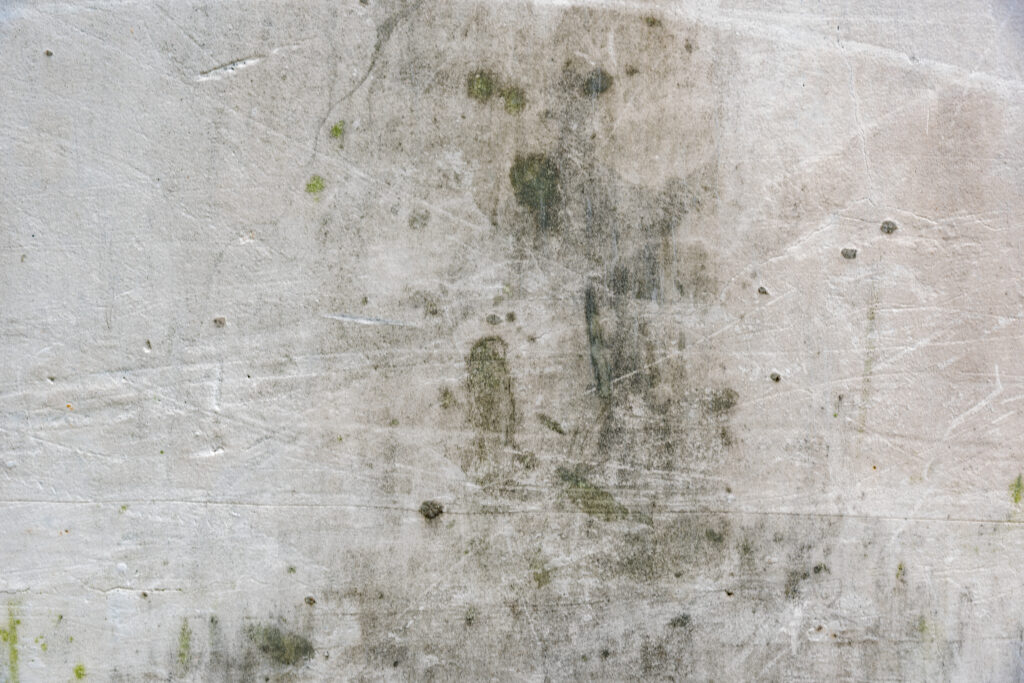
If mould returns quickly, there may be a structural issue requiring professional assessment.
How Long Should You Use It?
This depends on your situation:
If damp patches remain after several days, you may require professional moisture readings.
Energy Costs: What to Expect
Modern dehumidifiers are relatively energy-efficient. Most domestic units use between 200–600 watts.
Running one for 8 hours daily typically costs less than many people assume — especially compared to the cost of repairing mould-damaged plaster or timber flooring.
Using it correctly from the start ensures you are not wasting electricity.
Signs It’s Working Properly
When learning how to use a dehumidifier for the first time, look for these signs:
- Water collecting steadily in the tank
- Reduced window condensation
- Musty smell fading
- Damp patches lightening over time
If there is no water collected after 24 hours in a damp room, reassess placement or humidity settings.
When to Call Professionals
A dehumidifier is highly effective for moisture control — but it is not a cure for:
- Structural damp
- Rising damp
- Ongoing leaks
- Severe mould infestations
If damp returns quickly or spreads, professional inspection is advisable.
At Disaster Care Capital, we often assist clients who initially searched for how to use a dehumidifier for the first time, only to discover a hidden leak or long-term water issue requiring remediation.
Early intervention prevents:
- Timber rot
- Electrical damage
- Plaster failure
- Health complications
Conclusion
Understanding how to use a dehumidifier for the first time can make the difference between temporary relief and long-term protection.
By:
- Positioning it correctly
- Setting proper humidity levels
- Allowing continuous initial operation
- Maintaining it regularly
You can prevent mould growth, protect your property and improve indoor air quality.
If you’re currently dealing with damp or water damage, learning how to use a dehumidifier for the first time is an excellent first step — but if the issue persists, professional assessment ensures the root cause is fully resolved.
Disaster Care Capital is here to help safeguard your property before minor moisture becomes major damage.
Frequently Asked Questions
1. How long should I run a dehumidifier when using it for the first time?
When learning how to use a dehumidifier for the first time, it is best to run it continuously for at least 24–48 hours in a damp space. Severely affected areas may require several days.
2. Should I open windows while using a dehumidifier?
No. Keep doors and windows closed to prevent outside moisture from entering. This improves efficiency and reduces running costs.
3. Can a dehumidifier remove mould?
A dehumidifier reduces moisture, which prevents mould growth. However, it does not remove existing mould. Professional treatment may be required for established infestations.





