


Quick answer: The main difference between summer mould and winter mould is what supplies the moisture. Summer mould is fuelled by high humidity in the air and accelerated by heat, so it thrives in warm, humid, poorly ventilated spaces. Winter mould is driven by condensation, which forms when warm, moist indoor air meets cold surfaces such as windows and external walls. Mould can grow all year round: it is mainly the trigger that changes with the season.
If mould keeps reappearing in your home no matter the time of year, it can feel baffling. You clear it in the winter, then it returns in a different spot come summer. The reason is that mould has two seasonal “modes”, and understanding the summer mould vs winter mould difference is the key to stopping it for good: the two are caused by different things and need slightly different solutions.
At Disaster Care Capital, we deal with damp and mould in UK homes and businesses through every season. This guide breaks down how summer and winter mould differ, where each tends to appear, and how to keep both at bay.
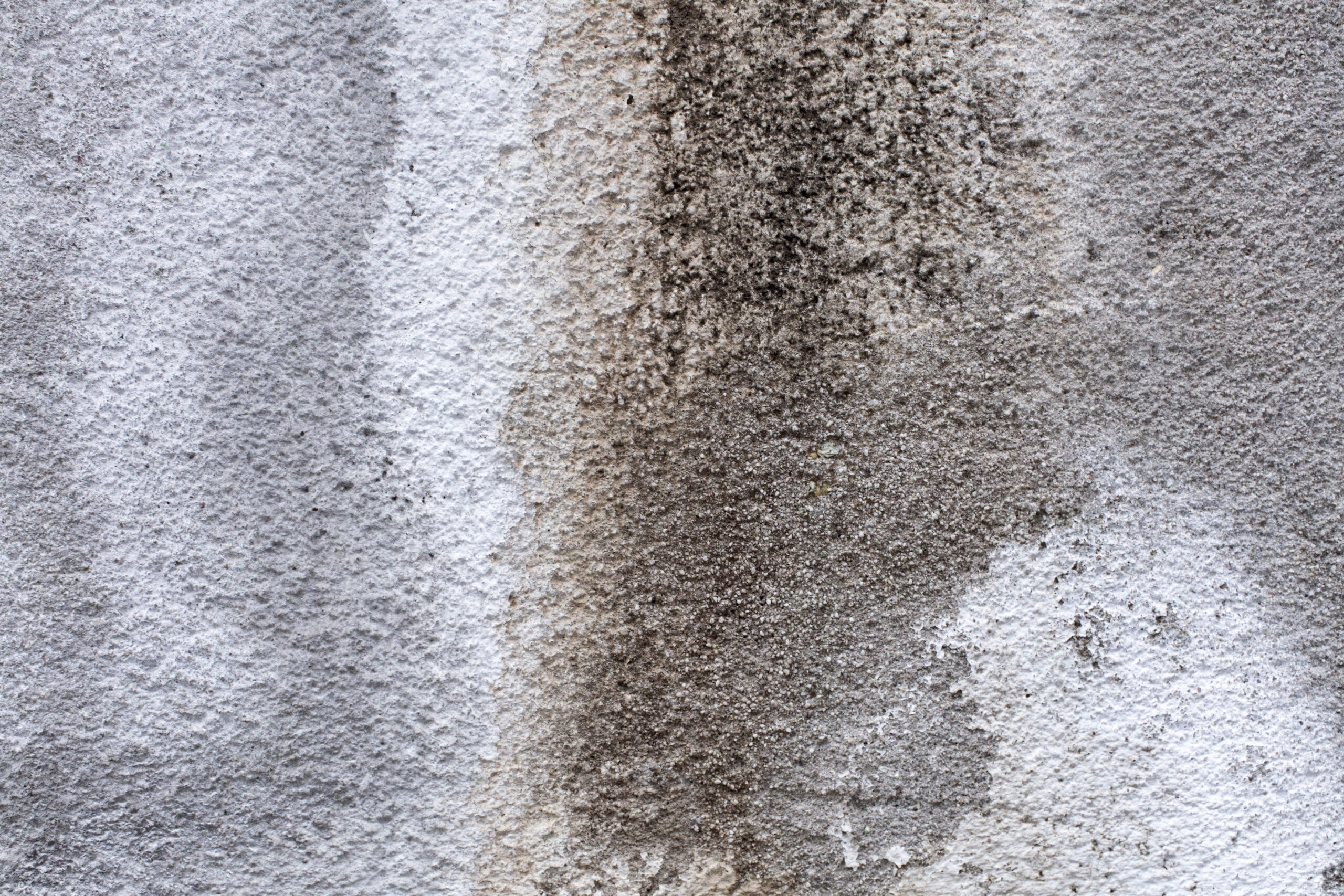
Summer Mould vs Winter Mould: The Key Difference
At the simplest level, the difference comes down to two words: humidity versus condensation.
- Summer mould is a humidity problem. Warm air holds more moisture, so summer air is naturally more humid. That ambient moisture, combined with summer heat that speeds mould’s growth, lets it flourish in humid, stuffy spaces.
- Winter mould is a condensation problem. In cold weather, warm moist air inside the home hits cold surfaces and turns to water droplets. That condensation soaks into surfaces and feeds mould.
Both ultimately come down to moisture and warmth, but the way the moisture arrives is different, and that changes where the mould appears and how you tackle it.
What Causes Summer Mould?
Summer mould is driven by moisture already suspended in warm air. When indoor relative humidity climbs above around 60%, mould has what it needs, and warm temperatures in its preferred 20–30°C range accelerate growth so it can spread within a day or two.
It typically appears wherever warm, humid air gets trapped: bathrooms and kitchens, poorly ventilated rooms, basements and cellars, lofts, and around badly maintained air conditioning units where condensation collects. Because the moisture is in the air rather than from an obvious leak, summer mould often catches people by surprise.
What Causes Winter Mould?
Winter mould is driven by condensation, which is the most common cause of damp and mould in UK homes. In cold weather we heat our homes, seal the windows against the chill, and generate plenty of moisture through cooking, showering, drying clothes indoors and simply breathing. With little ventilation, that warm, moist air meets cold surfaces and condenses into water.

That is why winter mould shows up in predictable places:
- On and around windows, especially single-glazed ones
- On cold external walls and in the corners of rooms
- Behind furniture pushed against outside walls, where air cannot circulate
- At skirting board and ceiling junctions and in unheated rooms
- In “cold spots” caused by gaps in insulation or thermal bridging
Summer Mould vs Winter Mould at a Glance
| Feature | Summer mould | Winter mould |
| Main driver | High humidity in the air | Condensation on cold surfaces |
| Trigger | Warm, moisture-laden air; heat speeds growth | Warm moist indoor air meeting cold surfaces |
| Typical locations | Bathrooms, basements, lofts, humid rooms, around AC | Windows, external walls, room corners, behind furniture |
| Speed | Fast, heat accelerates growth | Steady, wherever condensation persists |
| Common signs | Musty smell, clammy rooms, spots in humid areas | Water droplets on windows, black mould in corners |
| Main fix | Reduce humidity: dehumidify and ventilate | Reduce condensation: heat, ventilate, cut moisture |
Does the Type of Mould Differ?
Both seasons can produce the familiar black or dark green mould most people recognise, and the specific species present will vary with conditions. From a household point of view, though, the practical concern is the same in either season: any mould signals excess moisture, and prolonged exposure carries similar health risks, mainly affecting the airways and lungs. Rather than worrying about which species you have, the priority is removing it safely and fixing the moisture behind it.

Why Mould Is a Year-Round Problem
One of the most important things to understand is that mould never truly goes away on its own. Mould spores are present in the air all year and can survive cold winter temperatures in a dormant state, ready to reactivate whenever moisture and warmth return. That is why a home can seem clear for a season and then see mould reappear: the spores were simply waiting for the right conditions. Effective control therefore means managing moisture all year, not just reacting when growth appears.
How to Prevent Mould in Both Seasons
Because the drivers differ, the emphasis shifts with the season, even though good ventilation helps in both.
In summer, focus on reducing humidity:
- Keep indoor humidity below around 50–60%, using a dehumidifier in muggy spells
- Ventilate on cooler, drier days and keep extractor fans and trickle vents clear
- Maintain any air conditioning and fix leaks promptly before heat accelerates growth
In winter, focus on reducing condensation:
- Keep a low, steady background heat, aiming for around 18–21°C in living areas
- Ventilate briefly each day, use extractor fans, and keep trickle vents open
- Cut moisture at source: lids on pans, avoid drying clothes indoors, and vent tumble dryers outside
- Move furniture away from cold external walls to let air circulate
For clear, trustworthy guidance on tackling damp and condensation, for more info check the Energy Saving Trust’s advice on fixing damp and condensation.
How to Tell Which Type You Are Dealing With
Working out where your problem sits on the summer mould vs winter mould spectrum helps you target the fix. A few practical clues:
- Check the timing. Mould that flares up in warm, muggy weather points to humidity; mould that appears alongside water droplets on cold windows in winter points to condensation.
- Look at the location. Growth in basements, lofts and stuffy humid rooms leans towards summer humidity, whereas growth on window reveals, cold external walls and room corners leans towards winter condensation.
- Feel the air. A clammy, heavy feel across a whole room suggests high ambient humidity; localised damp only on cold surfaces suggests condensation.
- Use a humidity meter. A cheap hygrometer quickly shows whether the air itself is too moist, which is the hallmark of a humidity-driven problem.
If neither pattern fits, for example, mould at any height on a wall regardless of season, the cause may be a leak or penetrating or rising damp rather than either seasonal type, and that needs professional investigation.
When to Get Professional Help
Whatever the season, persistent or spreading mould, a strong musty smell without a visible source, or anyone in the home suffering respiratory symptoms are all signs it is time for a professional assessment. Specialists can trace hidden moisture, diagnose whether you are dealing with condensation, humidity or an underlying defect, and remediate safely. For guidance on what professional restoration involves and how to choose an accredited firm, for more info check the British Damage Management Association’s guidance for property owners.
Summer Mould vs Winter Mould: The Bottom Line
The heart of the summer mould vs winter mould question is this: summer mould is a humidity problem accelerated by heat, while winter mould is a condensation problem caused by warm, moist air meeting cold surfaces. They appear in different places, spread at different speeds, and call for a slightly different emphasis, drying the air in summer, and balancing heat, ventilation and moisture control in winter. But the underlying truth is the same in both seasons: mould is a moisture problem, and it never fully disappears. Manage moisture all year round, act quickly whenever mould appears, and you can keep your home healthy whatever the weather.
If damp or mould is a recurring problem in your home or business anywhere in the UK, Disaster Care Capital provides professional mould investigation and remediation that treats the root cause in every season.
Frequently Asked Questions
Is summer mould or winter mould more dangerous?
Neither is inherently more dangerous, both carry similar health risks because the concern is exposure to mould and damp, not the season. What matters is how much mould there is and how long people are exposed to it.
Why does my mould come back every year?
Mould spores survive year-round and reactivate whenever moisture and warmth return, so recurring mould usually means an ongoing moisture problem. Fixing the underlying cause, rather than just cleaning the surface, is the only lasting solution.
Does mould stop growing in winter?
No, it may slow in very cold, dry conditions, but winter condensation gives it plenty of moisture to keep growing. Spores also survive the cold and simply become dormant until conditions improve.





