


Let’s face it—your home is one of your most important investments. When disasters like floods, storms, or fires strike, they don’t just leave behind visible messes; they can cause hidden problems that could compromise your property’s safety. Spotting the signs of structural damage early isn’t just smart—it’s essential.
In this article, we’ll walk you through what to look for, from cracks in walls to sagging roofs, and explain when it’s time to bring in the professionals. Let’s dive in and make sure your home stays safe and sound.
Common Signs of Structural Damage After Disasters
So, what does structural damage actually look like? It’s not always as obvious as a collapsed wall. Some signs are subtle but can spell big trouble if left unaddressed. Here’s what to keep an eye out for:
1- Cracks in Walls and Ceilings:
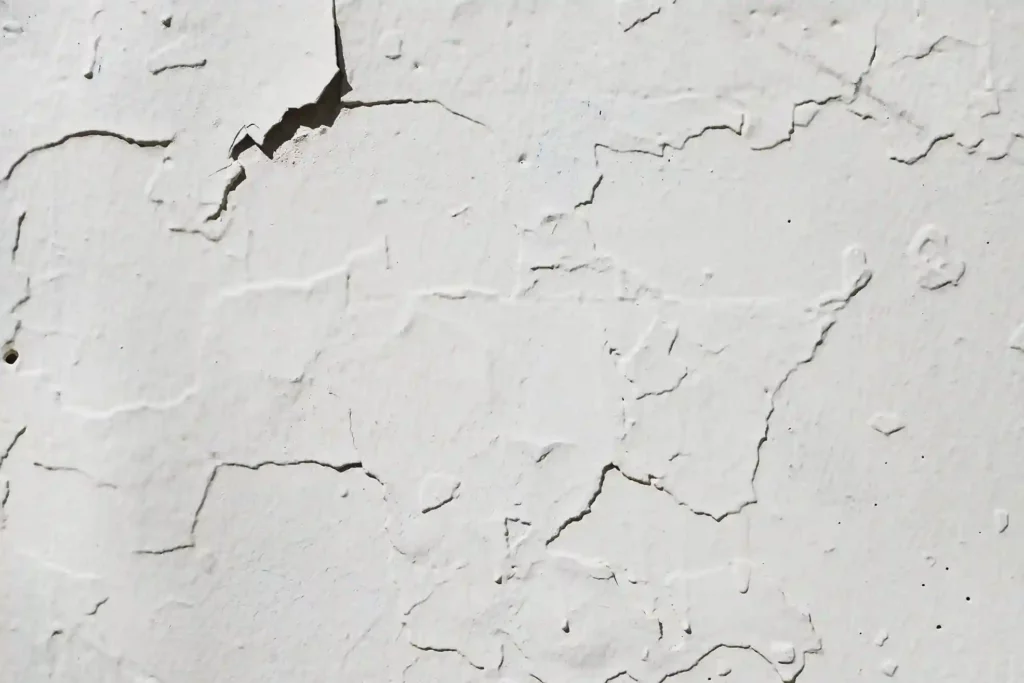 Small cracks might be harmless, but if you see horizontal or stair-step cracks, it could mean your foundation is shifting.
2-Roof Sagging Issues:
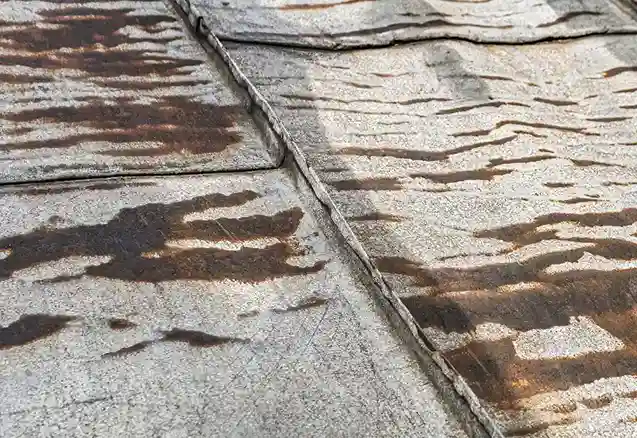 If your roof looks wavy or uneven, it’s a sign the internal structure might be compromised.
- Foundation Damage Symptoms:
Have you noticed uneven floors or gaps between walls and floors? That could mean your foundation is settling unevenly. - Leaning or Bowing Walls:
Walls should stand straight and tall. If they’re leaning or bowing, you’ve got a serious structural problem. - Water Damage Indicators:
Dampness or rot in structural beams weakens their integrity over time—definitely not something to ignore
How to Identify Cracks in Walls and Ceilings
Cracks can feel like one of those “is it a big deal or not?” situations. Here’s how to tell if they’re something you should worry about:
1- Hairline Cracks:
These are often due to settling or temperature changes and are generally harmless.
2- Horizontal Cracks:
These are more concerning and could indicate pressure from your foundation shifting.
3-Diagonal Cracks:
Found near windows or doors, these often mean the foundation is settling unevenly.
4- Wide or Expanding Cracks:
Cracks wider than 5mm or growing over time are serious. Don’t ignore them—get a professional opinion.
If you’re unsure, it’s always better to have a professional assess the situation
NEED HELP?
Signs Your Roof May Need Repairs
Your roof is your first line of defense against the elements, and so it is more likely to be damaged during storms or over time. Look for these warning signs:
1-Sagging or Uneven Roofline
Indicates damage to the internal structure, such as trusses or rafters.
2- Leaks or Water Stains:
Persistent leaks can rot wood and weaken the roof’s support system.
3-Missing or Damaged Tiles:
Exposed areas can allow water to seep in, causing further damage.
4-Visible Light in the Attic:
Gaps or holes in the roof let in light—and water.
5-Excessive Granule Loss:
Check gutters for shingle granules, which indicate roof wear.
Routine inspections can help catch these issues before they worsen.
Foundation Damage Symptoms Homeowners Should Watch For
The foundation is literally what your house stands on—keeping it in good shape is not debatable. Here’s what to look out for:
1-Uneven Floors:
If your floors feel like a funhouse, it’s a sign your foundation might be settling unevenly.
2- Sticking Doors and Windows:
Frames that are hard to open or close could mean your home is shifting.
3-Cracks in Exterior Walls:
Look for large cracks, especially near the base of your home.
Read also: Leak detection servcies
4-Pooling Water:
Water collecting around your foundation weakens it over time and needs to be addressed.
Check also our advanced water extraction services
Spotting these signs early can save you a fortune in repairs—and give you peace of mind.
Importance of Structural Surveys After Disasters
Here’s the thing: not all damage is obvious. That’s where a structural survey comes in. A professional surveyor will assess the damage, ensuring your home is safe and highlighting any issues you might not have noticed.
Why are these surveys so important?
- Safety First: You’ll know whether your home is safe to occupy.
- Insurance Claims: Proper documentation makes filing a claim much easier.
- Preventative Action: Catching hidden issues now can save you from bigger problems later.
If you’ve recently experienced a disaster, scheduling a structural survey should be at the top of your to-do list.
When to Hire Structural Engineers for Restoration
So, when do you need to bring in the expertise—a structural engineer? Here are some scenarios where their expertise is essential:
- Visible Structural Damage:
Cracks, sagging roofs, or leaning walls should be evaluated by an expert. - Post-Disaster Assessment:
Engineers can assess the impact of floods, storms, or fires on your home’s integrity. - Major Renovations:
If you’re planning significant changes, an engineer ensures structural safety. - Foundation Repairs:
Complex foundation issues often require a professional plan and supervision.
By involving a structural engineer– you ensure long-term safety and compliance.
TAKE ACTION!
Spotting the signs of structural damage isn’t always easy, but it’s crucial for protecting your home and your family. From cracks in walls to roof sagging and foundation issues, knowing what to look for can save you from costly repairs and ensure your property remains safe.
We’ll help you restore your property and your peace of mind.
For more info check Structural safety advice on uk local government
FAQs
How can I tell if a crack is serious?
Wide, expanding, or diagonal cracks often indicate serious issues. Consult an expert if unsure.
Can I ignore minor signs of damage?
Small issues can escalate over time, leading to costly repairs. Address them promptly.
How much does a structural survey cost?
Costs vary depending on the property’s size and the extent of the damage but typically range between £300-£1,000 in the UK.
Is insurance likely to cover structural repairs?
It depends on your policy and the cause of the damage. Proper documentation is essential for claims. Content
Who should I contact for structural damage assessments?
Restoration companies like Disaster Care Capital provide expert evaluations and restoration services.
Wide, expanding, or diagonal cracks often indicate serious issues. Consult an expert if unsure.
Small issues can escalate over time, leading to costly repairs. Address them promptly.
Costs vary depending on the property’s size and the extent of the damage but typically range between £300-£1,000 in the UK.
It depends on your policy and the cause of the damage. Proper documentation is essential for claims. Content
Restoration companies like Disaster Care Capital provide expert evaluations and restoration services.





