


Suffered from a burst pipe? Pipes bursting can cause extensive damage to any property–which makes prevention the key.
Here’s what you need to know about burst pipes and how to reduce your risk.
What is a Burst Pipe?
A burst pipe occurs when the pressure inside the pipe exceeds its strength– causing it to break or crack. This can happen due to freezing temperatures, corrosion, blockages, or high water pressure.
Steps to Reduce the Risk of Burst Pipes
- Insulate Exposed Pipes: Wrap pipes in unheated areas, like basements or garages, with insulation to protect against freezing.
- Seal Gaps and Drafts: Ensure that windows, doors, and crawl spaces are sealed to prevent cold air from reaching your pipes.
- Keep a Steady Temperature: Keep indoor temperatures above 55°F (12°C) during colder months, even when you’re away.
- Let Faucets Drip in Freezing Weather: Running water prevents freezing and relieves pressure inside pipes.
- Regular Maintenance: Regularly inspect and maintain your plumbing, checking for corrosion or leaks.
- Control Water Pressure: High water pressure can put stress on pipes, so install a pressure regulator to keep it within safe limits.
Burst Pipe Signs
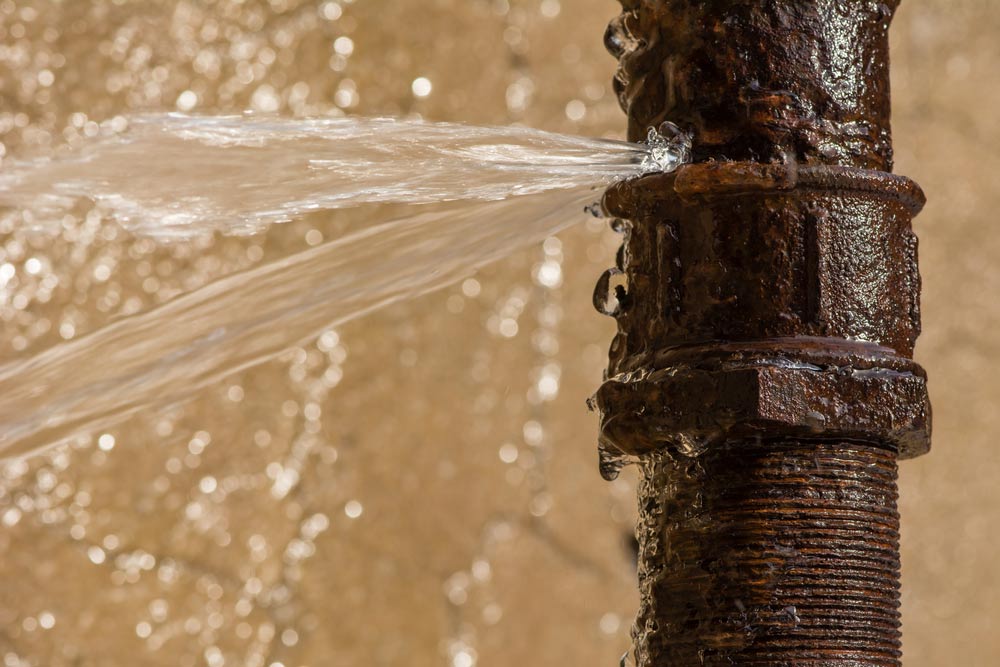
A burst pipe may show up as:
- Unusual sounds like banging or hissing in the walls.
- Sudden drops in water pressure.
- Damp patches or water stains on walls and ceilings
- Unexplained water pooling on floors.
After you have detected a pipe burst, what’s next?
Check also our leak detection services
What to Do When You Discover a Burst Pipe
- Turn Off the Water Supply: Quickly shut off the main water valve to prevent more water from flooding the area.
- Drain the Pipes: Open all faucets to remove any remaining water in the system.
- Turn Off Electricity if Necessary: If water has come into contact with any electrical outlets or appliances, turn off the electricity to prevent hazards.
- Contact a Professional: Call a plumber or emergency restoration service like disaster care capital to repair the damage and restore any affected areas.
What to Do After a Burst Pipe is Fixed
Once a burst pipe is repaired, it’s essential to address any damage:
- Dry Out the Area: Use fans and dehumidifiers to remove any lingering moisture and prevent mold growth.
- Inspect for Long-Term Issues: Check walls, floors, and insulation for signs of water damage that may need additional repair.
- Consider Installing Leak Detectors: These devices alert you to potential water leaks, giving you an early warning for future problems.





