


A flood gives you very little time and puts you under enormous pressure to make good decisions in difficult conditions. Most people, when flooding begins or threatens, try to save everything and end up saving very little. The key is knowing in advance what the correct sequence is—what to prioritise, what to document, what to leave, and what not to do—so that when water enters your property, you can act quickly, correctly, and without hesitation.
This guide covers the full sequence to protect your belongings before, during, and immediately after a flood, from pre-flood preparation through to professional contents restoration after the event.
Preparation: Before Flooding Begins
The most effective protection happens before water enters the property. If you live in a flood-risk area, advance preparation is not optional.
Register for flood alerts: The Environment Agency’s free flood alert service sends warnings by email, phone, or text when flooding is expected in your area. Registration takes two minutes and gives you hours of advance notice that turn a reactive scramble into a managed preparation.
Store irreplaceable items permanently at height: This is the single most important ongoing action for flood-prone properties. Personal documents, photographs, hard drives, sentimental items, and anything that cannot be insured or replaced should never be stored at ground level. Move them permanently to upper rooms or high shelves—not as a flood response, but as a default storage position.
Keep a contents inventory with photographs: Photograph every room annually and store copies in cloud storage or a secure off-site location. When flood damage occurs, having a timestamped photographic record of every room in its pre-loss condition is the foundation of a complete insurance claim. Do this before you need it, not after.
Know where the mains stopcock is: Every member of the household should know where the mains water supply stopcock is located, most commonly under the kitchen sink. Turn it clockwise to close. A burst pipe or failed appliance during flooding is far less damaging if the water supply is isolated within the first minute.
Install flood mitigation products: Flood barriers for external doors, airbrick covers, toilet bungs, and non-return valves on drainage are physical products that meaningfully reduce water ingress when installed in advance.
Electricity Safety, Before Anything Else
This is not the second priority. It is the first and it cannot be skipped.
If flooding has reached or may reach any electrical installation, plug sockets, light switches, fixed appliances, or the consumer unit, that area is not safe to enter until electricity is isolated. Turn off all circuits serving affected areas at the consumer unit. If you cannot safely reach the consumer unit, call an emergency electrician before entering.
Water in contact with live electrical installations kills. No item is worth that risk. Confirm the electrical position before touching, moving, or rescuing anything in a flooded or potentially flooded space.
The Priority Sequence: What to Save and in What Order
Once the property is electrically safe, move through this priority order. Do not attempt to save everything, focus on what matters most and what is most moveable in the time available.
First priority, Irreplaceable items:
- Personal documents, passports, birth certificates, marriage certificates, wills, financial documents, insurance policies. These cannot be replaced quickly and their loss causes months of administrative consequences.
- Original photographs, physical prints and photo albums that cannot be reprinted. Digital copies stored only on devices are also at risk; cloud-backed copies are safe wherever the device is.
- Prescription medications and medical equipment
- Sentimental items, inherited pieces, handmade items, things that matter to the people in your life and cannot be compensated by insurance
These items should be moved before anything with financial value. Insurance compensates for financial loss; it cannot compensate for the loss of photographs from your child’s first year or your grandmother’s handwritten letters.
Second priority, High-value portable items:
- Jewellery, watches, and small valuable items
- Artwork that can be carefully removed from walls, do not rush this; a rushed removal damages artwork that careful professional recovery would have saved
- Musical instruments that are portable
- Items not covered or under-covered by your insurance policy
Third priority, Furniture and soft furnishings where time allows:
Lifting upholstered furniture off the floor—even placing it on wooden blocks, bricks, or other furniture—significantly reduces the contact time with flood water. A sofa lifted 15cm off the floor avoids contact with a shallow flood entirely. Clean water contact for a brief period is recoverable with professional contents restoration; however, hours of submersion typically result in a total loss.
Roll and move rugs to upper floors. Rugs hold enormous quantities of moisture and act as ongoing evaporation sources that slow floor drying if left in place. Keep them for insurance assessment but move them out of the drying zone.
What to leave:
Fixed kitchen appliances, such as ovens, dishwashers, and washing machines, cannot be moved quickly. Isolate them electrically and leave them in place. Large, heavy furniture that requires multiple people and significant time is usually better left and professionally treated rather than being damaged during a rushed move.
Read also- how to read a moisture meter for walls
Document Before You Clean Anything
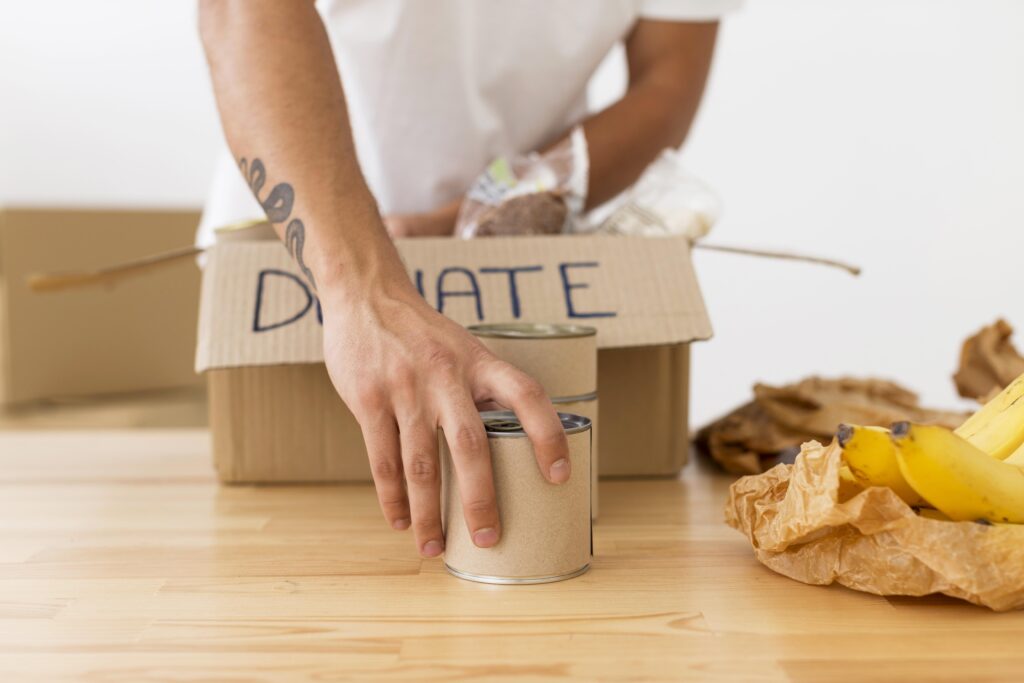
The moment the water is stopped and the area is safe, your next action before touching, moving, or cleaning anything is documentation.
Photograph and video every affected area with timestamps:
- Every room showing the extent of water spread
- The waterline on walls, mark the height with a pencil before it dries
- Every damaged item in its original position before it is moved
- Specific high-value items with close-up photographs showing their condition
This documentation is your insurance claim. Loss adjusters visit days after flooding, your photographs at the moment of discovery are the evidence of the original extent that protects the full value of your claim.
Do not dispose of any damaged items until your insurer confirms you may. Even items that appear completely destroyed are claim evidence and may be recoverable with professional treatment.
For Environment Agency flood alerts and flood risk checking, check: GOV.UK, check flood risk and sign up for alerts
What to Do With Wet Belongings After the Flood
The 48-hour period immediately after flooding determines what can be saved from the contents in your property.
Separate wet from dry immediately: Move all wet items out of the remaining flood water or residual moisture as quickly as possible. Items left sitting in water continue absorbing moisture long after the main flood event subsides.
Do not dry items with direct heat: Hairdryers, fan heaters, and radiators applied directly to timber furniture, leather, or fabrics cause irreversible cracking, shrinkage, and distortion. Professional contents restoration uses controlled drying chambers, not direct heat. Allow items to drain and move to a dry space while professional assessment is arranged.
Do not dispose of anything before triage: Items that look destroyed—such as waterlogged books, furniture with swollen joints, and smoke-stained textiles—are frequently recoverable with professional treatment. A specialist contents restoration company can assess recovery viability before any disposal decision is made. Every item thrown away before that assessment is a potential insurance claim lost.
Documents and photographs, do not attempt to dry yourself: Waterlogged paper documents and photographic prints should be placed in a sealed bag and frozen if possible. Freeze-drying is a specialist technique that recovers waterlogged paper at a rate that ambient drying cannot approach. Contact a specialist document restoration service before attempting to dry these items.
The Contents Restoration Process
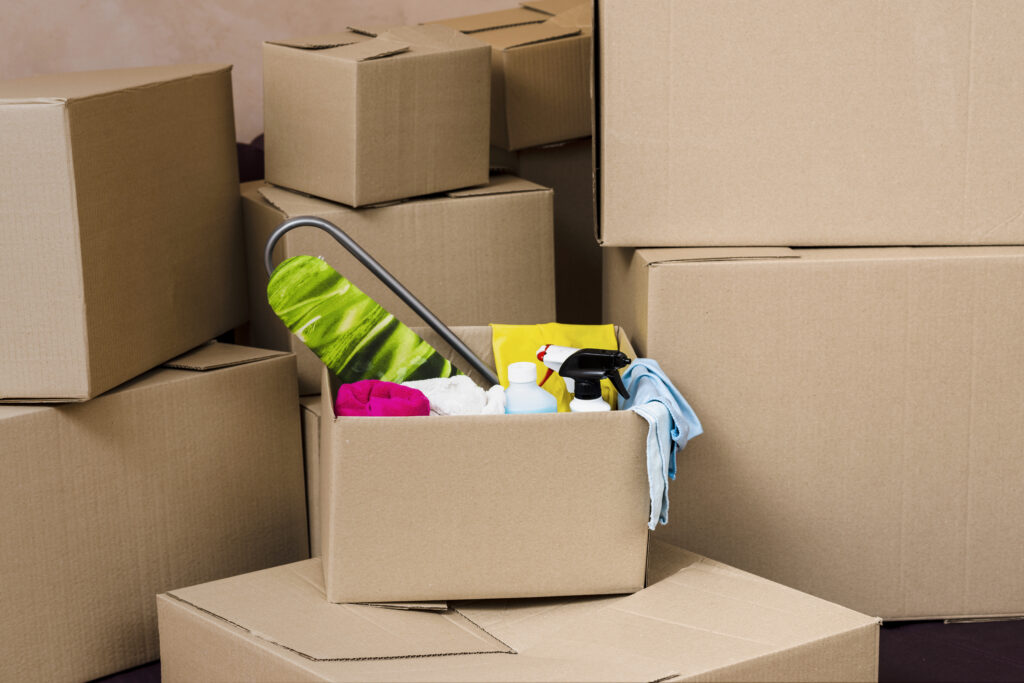
Professional contents restoration recovers far more than most homeowners expect from a flood event, typically at 30 to 50% of the replacement value of the same items. The process involves:
Inventory and triage: A restoration technician works through every affected item with the homeowner and loss adjuster, assessing each for restoration viability. Items are categorised: clean and return, restore with specialist treatment, or dispose. This inventory is the basis for the contents element of the insurance claim.
Pack-out: Restorable items are packed under documented conditions, recorded by photograph and written inventory, and removed to a professional restoration facility where treatment conditions are controlled.
Treatment: Hard goods through ultrasonic cleaning baths. Fabrics and clothing through specialist laundry services. Paper-based materials through specialist document drying or freeze-drying. Furniture through controlled drying chambers and specialist joinery repair.
Storage: Restored contents are stored in climate-controlled conditions during the property reinstatement programme, protecting them from secondary damage during building works.
Return: Once the property is reinstated and confirmed dry, contents are returned and placed under the same documented conditions as their removal.
Disaster Care Capital provides professional contents restoration services alongside structural restoration for flood events across London. We triage contents at the first visit, coordinate with your insurer from day one, and manage the restoration programme from initial assessment to completed return. Call us today for a free same-day assessment.
For ABI guidance on flood insurance and contents claims, check: ABI, flood insurance and what it covers
Frequently Asked Questions
What should you save first in a flood?
Irreplaceable items first, personal documents, passports, original photographs, prescription medications, and sentimental items. These cannot be adequately compensated by insurance and their loss causes the most lasting distress. High-value portable items come next, then furniture where time allows. Confirm electrical safety before entering any flooded or potentially flooded space.
Can flood-damaged furniture and contents be saved?
Often, yes—if professional contents restoration begins within 24 to 48 hours of the flood event. Solid timber furniture, upholstered items that contacted clean water briefly, clothing and textiles, and hard goods are all frequently recoverable with specialist treatment. Items that contacted Category 3 sewage-contaminated water are more often a total loss. Do not make disposal decisions before professional triage.
How do I document flood damage for my insurance claim?
Photograph and video every affected area with timestamps before touching, moving, or cleaning anything. Mark the waterline height on walls with a pencil before it dries. Photograph every damaged item in its original position. Keep all damaged items until your insurer confirms disposal. Your photographs at the time of discovery, not the loss adjuster’s later visit, are the evidence that protects the full value of your claim.
Should I try to dry flood-damaged items myself?
No, do not apply direct heat to wet furniture, fabrics, or documents. Direct heat causes irreversible cracking, shrinkage, and distortion. Move wet items to a dry, ventilated space and contact professional contents restoration within 48 hours. For waterlogged documents and photographs, freeze them in a sealed bag if possible and contact a document restoration specialist before attempting any drying.





