


Burst pipes are consistently among the most common causes of property insurance claims in the UK during winter months. When water freezes inside a pipe, it expands and creates internal pressure that the pipe cannot contain. The pipe cracks or fractures, and when temperatures rise and the ice thaws, water flows freely into the building fabric, sometimes for hours before anyone notices.
The damage is almost always disproportionate to what caused it. A burst pipe in a loft can soak plasterboard ceilings through two floors. One behind a kitchen wall can saturate insulation and structural timber for weeks before it is found. Prevention is straightforward once you know which pipes are most at risk and what practical measures protect them. This guide covers both, and what to do urgently if prevention fails.
Which Pipes are Most at Risk
Not all pipes in a property carry equal freeze risk. Understanding which are most vulnerable helps you prioritise where to act.
The highest-risk locations are:
- Loft and roof spaces: unheated, exposed to external temperatures, often carrying cold water storage tanks and the pipes feeding them. Loft pipes are the most common freeze and burst location in UK residential properties.
- External walls: pipes running through or against external masonry are exposed to conducted cold from outside. Particularly vulnerable in solid-walled older properties.
- Garages and outbuildings: unheated spaces where pipes may supply an outdoor tap, a washing machine connection, or an annexe. These are outside the thermal envelope of the main property.
- Pipes serving external taps: outdoor taps and the pipes feeding them are almost always uninsulated and frequently freeze.
- Under suspended floors: in period properties with suspended timber ground floors, pipes running through the sub-floor void are exposed to near-external temperatures when ventilation bricks allow cold air circulation.
- Behind kitchen and bathroom cabinets on external walls: pipes concealed in units against cold external walls can freeze when cabinet doors are closed and the ambient heat of the room does not reach them.
Pipes inside well-heated, centrally-located rooms carry minimal freeze risk under normal UK temperatures. The risk concentrates in the spaces listed above.
How to Lag and Insulate Pipes
Lagging is the most cost-effective and most universally applicable prevention measure. It does not prevent the ambient temperature from falling, but it slows the rate at which the pipe temperature drops, maintaining the water inside above freezing for longer.
Foam pipe lagging, available at any hardware store, fits over pipes in sections and is secured with tape. It is sold in standard bore sizes and should be matched to the diameter of the pipe being protected.
Key points for effective lagging:
- Cover the full length of every pipe in high-risk locations, a gap of even a few centimetres is a potential freeze point
- Pay particular attention to bends, joints, and where pipes pass through external walls, these points are more vulnerable than straight runs
- In loft spaces, lag any cold water storage tank with a purpose-made jacket and insulate the pipes on all sides including the underside, but do not insulate the loft floor directly beneath the tank, as this allows rising heat from the property below to reach the tank
- For outdoor taps, fit a specific outdoor tap cover or install an isolating valve inside the property so the external tap pipe can be drained in winter
Read also- Mould in a rented property, can a tenant withhold rent?
Heating Your Property During Cold Periods
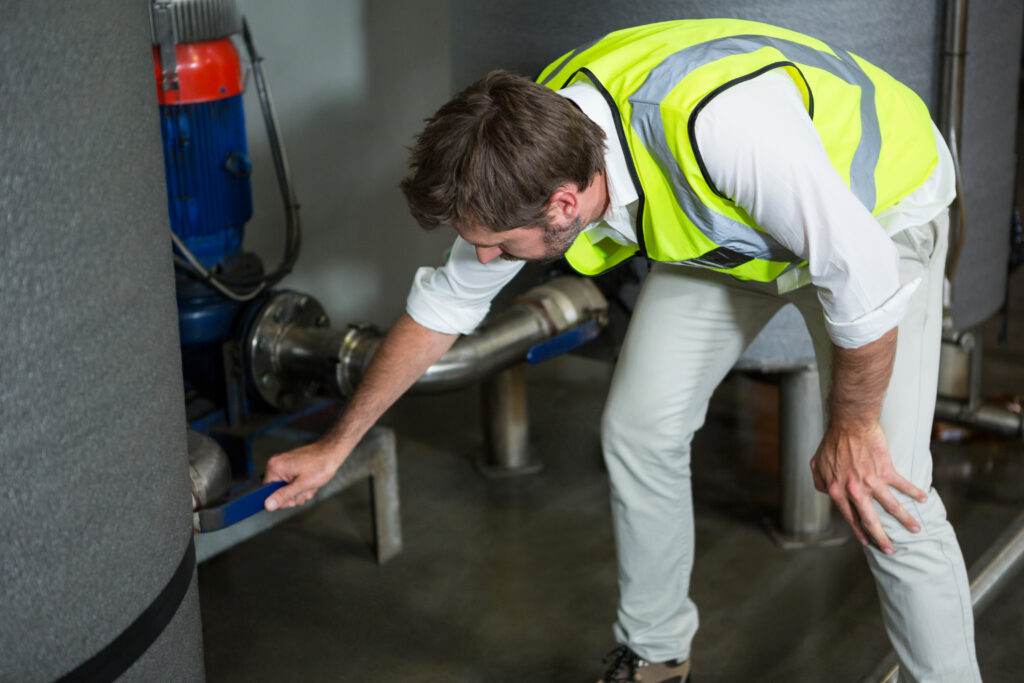
The most common cause of burst pipes in winter is not extremely cold weather, it is properties left unheated or inadequately heated for extended periods. A well-heated property almost never experiences burst pipes even in sustained cold spells.
If you are leaving the property for more than a few days in winter:
- Do not turn the heating off completely. Set it to maintain a minimum temperature of 12°C throughout the property, including any rooms that are normally unheated.
- Timer settings that heat only specific rooms and leave loft spaces and peripheral areas cold are not adequate protection. Use the frost setting on your boiler or set the thermostat to maintain a consistent low temperature throughout.
- Ask a neighbour or trusted person to check the property every few days and confirm the heating is functioning.
- Consider turning off the water supply at the mains stopcock and draining the system if the property will be unoccupied for an extended period, this removes the water from the pipes entirely and eliminates the freeze risk at source.
For landlords with vacant properties between tenancies, a period of elevated risk, maintaining heating at a minimum temperature is not optional. An unheated empty property during a cold snap is the scenario that produces the most severe burst pipe damage, because there is no one present to notice the failure until significant water damage has already occurred.
Before You Go on Holiday: The Pre-Departure Checklist
For a typical winter holiday absence of one to two weeks:
- Set the heating to a minimum of 12 to 15°C on constant or frost stat mode
- Turn off the water supply at the mains stopcock if you are comfortable that this will not cause problems with central heating pressure, alternative, leave the water on but know where the stopcock is in case a neighbour needs to isolate it quickly
- Check that all external tap isolating valves are closed and the external tap pipe is drained
- Confirm there are no existing slow drips or minor leaks that could worsen, minor drips freeze and block; thawing creates pressure surges
- Tell someone you trust where the mains stopcock is and how to reach you in an emergency
Warning Signs That Pipes are at Risk
Several signs indicate that pipes may be approaching freeze risk or that a freeze has already started.
- Reduced or absent water flow from taps in cold weather, particularly upper floor or loft-fed taps, can indicate that a pipe is partially frozen upstream
- A gurgling or unusual sound from pipes when taps are turned on in cold weather
- Visible frost on pipes in unheated spaces
- Cold patches on walls adjacent to external pipe runs
If you suspect a pipe is beginning to freeze but has not yet burst, gently warm the pipe using a hairdryer on a low setting, starting from the tap end and moving toward the supply, never use open flame or high-heat equipment. Open the relevant tap while warming to allow pressure to release.
For guidance on tracing and repairing burst pipes, check: GOV.UK, what to do after a flood or burst pipe
If Prevention Fails: What to Do in the First 60 Minutes
Despite all precautions, pipes can still burst. The actions taken in the first hour after discovery determine the extent of the damage.
Immediately:
- Turn off the water at the mains stopcock, this is almost always under the kitchen sink or where the supply pipe enters the property. If you do not know where it is, find it now, before you need it.
- Switch off electricity in any area where water is or may reach electrical fittings. Do not wait until water is dripping from a light fitting.
- Turn off the central heating if the burst is near the boiler or heating pipes.
- Open all taps to drain the system and relieve pressure faster.
Document everything before cleaning or drying:
- Photograph and video all affected areas with timestamps before moving anything. This is your insurance claim evidence.
Begin drying as soon as possible:
The 24 to 48 hour mould establishment window starts from the moment moisture enters building materials. A burst pipe that soaks a ceiling and walls cannot be left to dry passively, it requires industrial drying equipment to remove moisture at the rate needed to prevent secondary damage.
Industrial dehumidifiers, high-velocity air movers, and where necessary injection drying for wall cavities are the correct equipment for structural drying after a burst pipe. Domestic dehumidifiers and open windows alone are not adequate for significant water ingress events.
Disaster Care Capital provides 24/7 emergency response across London following burst pipe and escape of water events, deploying professional drying equipment, producing moisture mapping reports, and coordinating directly with your insurer from day one. Call us today.
For home insurance and escape of water claims guidance, check: ABI, home insurance and water damage
Conclusion
Preventing pipes from bursting in winter requires three things: identifying the at-risk locations in your specific property, lagging exposed pipes properly before temperatures drop, and maintaining adequate heating throughout the property during cold periods, particularly when it is unoccupied.
If prevention fails, the speed of response determines the outcome. Turn off the water, isolate electricity, document before cleaning, and start professional drying within 24 hours. Disaster Care Capital responds 24/7 to burst pipe events across London, call us the moment it happens.
Frequently Asked Questions
Does home insurance cover burst pipe damage?
Most standard UK home insurance policies cover sudden damage from escape of water, including burst pipes. The key condition is that the damage must be sudden and accidental rather than the result of gradual deterioration or lack of maintenance. Damage caused by a property being left unheated may be contested by some insurers on a maintenance grounds basis.
Can a burst pipe dry out on its own?
No, not within the timeframe that prevents mould and structural damage. Passive drying through open windows and ambient air is far too slow for significant water ingress. Industrial drying equipment is needed to extract moisture from building materials at the rate required to prevent mould establishing within 24 to 48 hours of the event.
How do I find the mains stopcock in my property?
The mains stopcock is most commonly found under the kitchen sink, in a ground-floor cupboard near the front of the property, or where the supply pipe enters the building through the floor or wall. Turn it clockwise to close. Every member of the household should know where it is before they need to use it in an emergency.





