


You’ve just dealt with a burst pipe or a flooded basement—only to notice a musty smell days later. If you’re now wondering “what’s growing after water damage?”, chances are it’s either mould or mildew.
Both can wreak havoc on your home and health, but knowing the difference is key to dealing with them effectively.
At Disaster Care Capital, we specialise in restoring homes from water damage and the silent invaders that often follow. In this guide, we’ll break down mould vs mildew, how to identify each, the health risks they carry, and how to remove them before they become a bigger problem.
What’s the Difference Between Mould and Mildew?
Both mould and mildew thrive in moist environments, but they differ in appearance, severity, and risk.
|
Feature |
Mould |
Mildew |
|
Appearance |
Fuzzy or slimy; black, green or brown |
Powdery or fluffy; white or grey |
|
Smell |
Strong, musty |
Mild, musty |
|
Common Locations |
Behind walls, under carpets, in HVAC systems |
On surface materials like tiles and window sills |
|
Damage Risk |
Structural damage and health risk |
Primarily cosmetic, easier to clean |
Knowing the difference can save you time, stress, and money—and help you determine whether you need DIY cleaning or professional help.
Learn more on EPA website on the difference between mould and mildew
Why Does Mould Grow After Water Damage?
Mould begins to develop as quickly as 24 to 48 hours after moisture exposure. When water seeps into porous surfaces like drywall or timber, it creates the perfect breeding ground for spores.
Mildew, on the other hand, often forms on non-porous surfaces such as tiles and shower walls. It’s more superficial than mould and easier to remove, but both thrive under similar conditions.
New Jersey, like many humid regions, is especially prone to post-flood mould and mildew problems. Humidity is the enemy here—controlling indoor moisture is key.
Key Signs of Mould or Mildew After Water Damage
- Persistent musty smell
- Peeling paint or warped floors
- Black, green, or grey blotches on surfaces
- Respiratory issues or allergic reactions
- Condensation or damp patches on walls or ceilings
Read more: How to remove mould from clothes?
Health Risks Associated with Mould and Mildew
While mildew may cause minor allergies, mould—especially black mould—poses serious health threats:
- Respiratory problems such as wheezing and chronic cough
- Skin irritation and rashes
- Asthma flare-ups
- Headaches, fatigue, and even memory issues from long-term exposure to mycotoxins
Read more: How to stop mould in a house?
How to Prevent Mould and Mildew After Water Damage
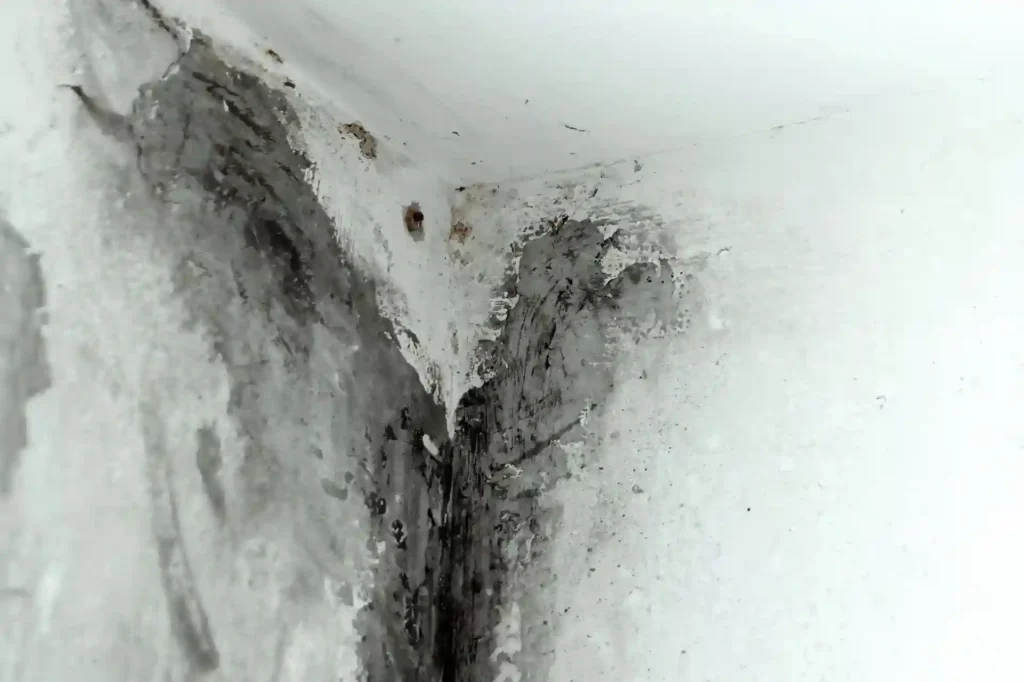
1. Act Fast
Time is crucial. Remove standing water immediately using wet/dry vacuums or pumps. Don’t wait to “see if it dries on its own”.
2. Dry the Area Thoroughly
Use fans, dehumidifiers, and open windows where possible. Ensure all damp materials, including carpets and furniture, are properly dried.
3. Remove and Replace Damaged Materials
Water-soaked drywall, insulation, and carpeting may need to be removed. Leaving them in place encourages mould growth beneath the surface.
4. Clean and Disinfect
Use bleach (with care), white vinegar, or commercial mould sprays. Always wear gloves and avoid mixing cleaning chemicals.
📍Pro Tip: According to the Environment Agency, long-term damp can affect structural integrity—remediation should never be delayed.
When Should You Call a Professional?

You should call mould remediation services experts if:
- The mould covers more than 10 square feet
- You experience ongoing respiratory symptoms
- Mould is found in hidden spaces like walls or HVAC units
- There’s visible damage like crumbling plaster or structural decay
Our team at Disaster Care Capital uses industrial-grade equipment and safe removal techniques to eliminate mould and prevent it from returning.
Mould vs Mildew: Conclusion
So, mould vs mildew: what’s growing after water damage? In many cases, it could be both. Mildew may be a surface issue, but mould is deeper, more dangerous, and can spread fast. Acting quickly is your best defence.
If you’re unsure whether you’re dealing with mildew or a serious mould infestation, let our team inspect and advise. We’ve helped countless New Jersey homeowners recover from water-related disasters—and we can help you too.
Reach out to our water damage and mould remediation experts today for a free quote or emergency support.
Check out our Water Damage Restoration Services for further support.
FAQs
Q: Can I clean mould myself after water damage?
Yes—for very small areas under 10 sq. ft. using vinegar or bleach. But large or hidden growth requires professional treatment.
Q: What’s the best way to tell mould from mildew?
Mildew is usually white and surface-level. Mould is darker, fuzzier, and embedded in materials.
Q: Is mould always visible after water damage?
No. Mould often grows behind walls, under carpets, and in vents. A musty smell or health symptoms can be the first sign.





