


If you’ve ever noticed a fine dust near mould patches in your home, you may be dealing with mould mites. In the UK, these tiny pests thrive in damp environments and often go unnoticed until they spread. But what exactly are mould mites, and why should you care?
In this article, we’ll explore mould mites UK, what they look like, why they appear, the risks they pose, and most importantly, how you can remove them effectively.
What Are Mould Mites UK?
Mould Mites UK (Tyrophagus putrescentiae) are tiny arthropods — close relatives of the dust mite, not insects — that feed on mould and fungi. They measure around 0.3–0.5 mm, so they’re almost invisible to the naked eye, and their oval bodies are covered in fine hairs that give them a slightly fuzzy look. Because they eat mould spores, mould mites are almost always a sign of an underlying damp or mould problem rather than a pest issue on their own.
They also turn up in food cupboards, where they’re sometimes called flour, cheese, or grain mites, feeding on stored items like flour, cereal, dried pet food, and aged cheese.
What Do Mould Mites UK Look Like?
Individually, Mould Mites UK are too small to see clearly without a magnifying glass. In numbers, though, they’re easier to spot. Look for:
- A greasy or dusty film near mould patches, window frames, or the back of damp cupboards.
- A fine, powdery or “frosty” white sheen over a mouldy surface.
- Tiny white or tan specks that appear to move or “crawl” slowly across walls, shelves, or worktops.
- Brownish trails or clusters — sometimes called hair clusters, these are the mites’ fine body hairs left behind.
Read also- What causes mould on walls in bedroom
Where Mould Mites Appear in UK Homes
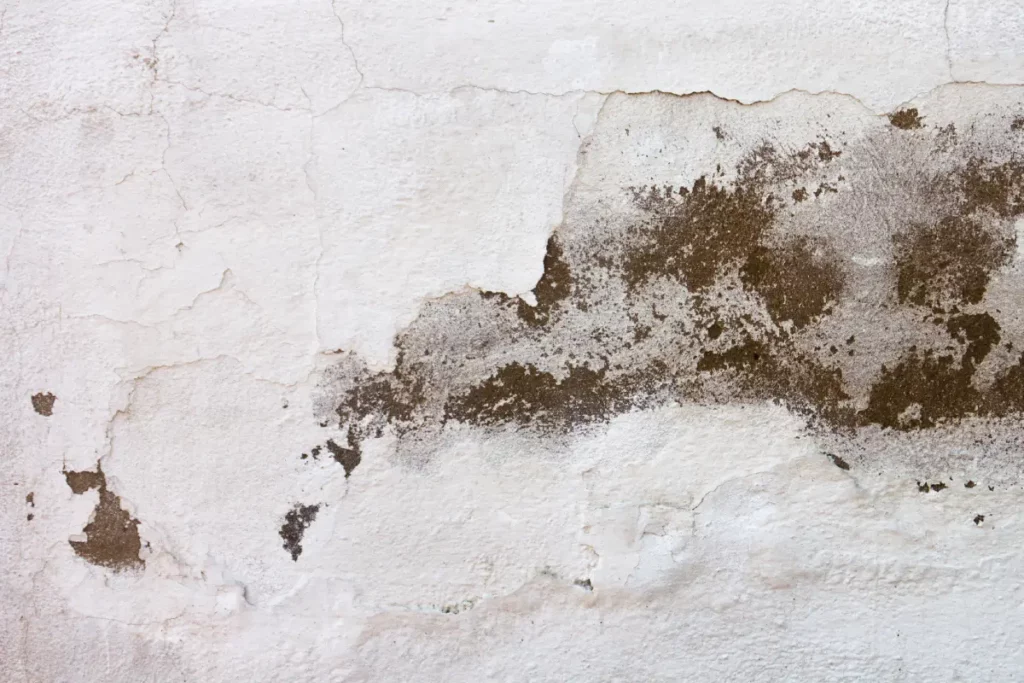
Mould Mites UK follow moisture and mould, so they cluster in the dampest, least-ventilated spots. Common hotspots include:
- Bathrooms — around tiles, sealant, and showers, including red or pink mould in showers.
- Kitchens — damp cupboards, under sinks, behind appliances, and near leaky pipes.
- Bedrooms — on mouldy walls, behind furniture pushed against cold external walls, and along carpets and skirting boards.
- Around windows — on frames and sills where condensation collects.
- Cellars, basements, and lofts — humid, poorly ventilated storage areas.
Are Mould Mites UK Harmful?
While mould mites don’t bite humans, they can still cause problems:
- Allergic reactions – Many people experience sneezing, runny noses, or itchy eyes when exposed.
- Aggravated asthma – Mould mites worsen symptoms for asthma sufferers.
- Contamination – They can spread from one damp area to another, worsening the mould problem.
The NHS warns that damp and mould in homes can lead to significant health problems, especially for children, the elderly, and those with weakened immune systems.
How Fast Do Mould Mites UK Spread?
Mould mites reproduce very quickly. A single female can lay hundreds of eggs in her short life, and in warm, humid conditions with plenty of mould to feed on, a small cluster can grow into a visible infestation within days. That rapid breeding is why acting early matters — and why simply wiping away what you can see rarely solves the problem if the damp source remains.
How to Get Rid of Mould Mites UK
Because mould mites live on mould, the only reliable way to eliminate them is to remove their food source and dry out the space. Here’s a step-by-step method:
1. Remove the mould
Wearing gloves and a mask, clean affected surfaces with white vinegar or a fabric-safe mould remover, and wipe away the residue. Stubborn or repeated mould may need two or three treatments. Avoid brushing dry mould, which sends spores (and mites) into the air.
2. Deal with contaminated items
Throw out any mould-affected food from cupboards. Wash mould-affected bedding, curtains, soft toys, and clothing at a high temperature the fabric allows, and dry them completely.
3. Vacuum with a HEPA filter
Use a vacuum with a HEPA filter to lift loose spores and mites from carpets, skirting, and crevices. Empty it outside afterwards so you don’t recirculate them.
4. Control the humidity
Run a dehumidifier to keep indoor humidity below 50%, especially in winter and in bathrooms, kitchens, and basements. A dehumidifier won’t kill mites directly, but it removes the damp conditions they and the mould need to survive, so their numbers fall over time.
5. Prevent it coming back
Fix leaks promptly, improve ventilation, and consider an anti-mould paint on previously affected walls. For persistent or large infestations, a professional mould remediation or pest specialist can treat the property and identify the moisture source.
Read also: Mould remediation services
Signs of Mould Mites UK in Homes
Look out for these indicators:
- Fine white dust-like patches on mouldy areas.
- Musty smell combined with dampness.
- Increased allergy symptoms when indoors.
- Close-up visibility – with a magnifying glass, you may notice tiny moving specks.
Read also- Can black mould make you sick
What Kills Mould Mites UK?
White vinegar, baking soda, and shop-bought anti-mould sprays all help kill mould mites and the mould they feed on. For heavy infestations, mite-targeting insecticides containing permethrin or pyrethrin exist, but they should be used strictly per the label and are best left to professionals. Whatever product you use, remember it’s a short-term fix: unless you reduce the humidity and remove the mould, the mites will return.
How to Prevent Mould Mites UK Long Term
Prevention comes down to keeping your home dry and well ventilated:
- Keep indoor humidity below 50%.
- Run extractor fans when cooking or showering, and open windows to circulate air.
- Avoid drying clothes indoors, or on radiators, where possible.
- Keep heating at a low, steady level in cold months to reduce condensation.
- Don’t push furniture flush against cold external walls.
- Reduce clutter and avoid stacking damp cardboard or paper, which absorb moisture.
- Check hidden spots regularly — under sinks, behind appliances, inside wardrobes, and around windows.
When to Call Disaster Care Capital
If mould keeps returning despite cleaning, covers a large area, or comes with a persistent musty smell and allergy symptoms, the moisture problem behind it needs professional attention. Mould mites are the symptom; hidden damp is the cause. Disaster Care Capital helps UK homeowners, tenants, and landlords find and fix the source. Our mould remediation service, dehumidifier hire, and full moisture surveys tackle the root cause so both the mould and the mites stay gone.
Conclusion
Mould mites UK may be tiny, but their impact can be huge – from triggering allergies to worsening mould infestations. The key to solving the problem lies in removing moisture, cleaning mould thoroughly, and taking preventative steps to stop it from returning.
By controlling mould, you naturally eliminate mould mites, ensuring a healthier and safer living environment.
FAQs
Can mould mites infest my bed or sofa?
Yes, if these items are in damp rooms with mould nearby, mites can spread to fabric and upholstery.
Do mould mites bite humans?
No, mould mites don’t bite. The irritation people feel is usually due to allergies caused by their presence.
What kills mould mites instantly?
Vinegar, baking soda, and commercial anti-mould sprays are effective, but long-term success requires reducing moisture levels.
How do you know if you have mould mites?
You may have mould mites if you notice tiny pale or white mites crawling on damp surfaces with mould, often accompanied by musty odours, visible mould growth, and allergy-like symptoms such as sneezing or itchy eyes. They thrive in humid, mouldy environments rather than living on people.
Will dettol kill mould mites?
Dettol can kill mould mites on contact, but it won’t solve the underlying problem. To prevent them returning, you also need to remove the mould, reduce humidity, and dry the affected area thoroughly.





