


When dealing with damp, leaks, or water damage, many homeowners ask the same question: Is it okay to stay in a room with a dehumidifier? The concern is understandable. Dehumidifiers often run for long hours, produce noise, and change air conditions, leaving people unsure whether sleeping or working in the same room is safe.
At Disaster Care Capital, we regularly use professional dehumidifiers during flood recovery, leak drying, and mould prevention. This guide explains whether it is safe to stay in a room with a dehumidifier, when caution is needed, and how to use one correctly without risking your health or comfort.
Why Dehumidifiers Are Used After Property Damage
Dehumidifiers remove excess moisture from the air. After water damage or persistent damp, moisture becomes trapped in walls, floors, carpets, and furnishings. If left untreated, this moisture leads to mould growth, structural damage, and poor indoor air quality.
Professional restoration teams use dehumidifiers to:
- Speed up drying after floods or leaks
- Prevent mould and mildew
- Protect building materials
- Improve indoor air conditions
In many cases, dehumidifiers need to run continuously for several days.
Is It Okay to Stay in a Room with a Dehumidifier?
The Short Answer
Yes, it is generally okay to stay in a room with a dehumidifier, as long as the unit is used correctly and the environment remains within safe humidity levels.
However, there are important considerations depending on the type of dehumidifier, how long it runs, and the condition of the property.
Read also- Can Dehumidifiers Help in Restoration
Health and Safety Considerations
Air Quality and Breathing Comfort
Dehumidifiers do not remove oxygen or introduce harmful gases. They simply reduce excess moisture. In fact, maintaining healthy humidity levels can improve breathing, especially for people with asthma or allergies.
The ideal indoor humidity range is:
- Between 40% and 60%
For more info check: NHS guidance on indoor air quality and respiratory health.
Problems arise only when humidity drops too low, which can cause dry skin, irritated sinuses, and throat discomfort.
Noise Levels and Sleep Disruption
Domestic dehumidifiers produce low to moderate noise. While safe, continuous operation may disturb sleep, especially light sleepers.
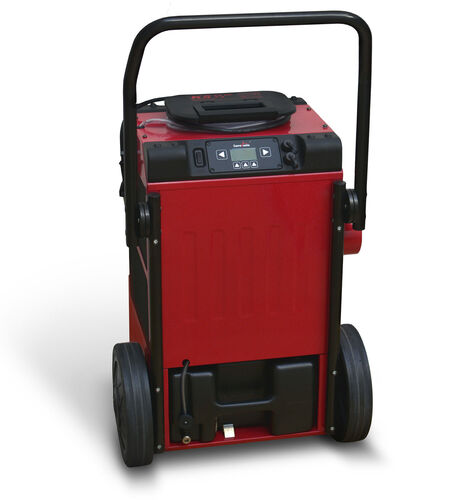
Professional-grade units used during restoration are louder. If drying equipment is installed after a flood or leak, sleeping in the same room may be uncomfortable but not unsafe.
Electrical Safety
Dehumidifiers are electrical appliances and must be used safely:
- Keep them away from water sources
- Do not overload sockets
- Ensure proper ventilation around the unit
If the room suffered flood damage, electrical safety should be assessed before occupancy.
When You Should Avoid Staying in the Room
Although staying in a room with a dehumidifier is usually safe, there are situations where temporary relocation is advised.
Presence of Mould
If visible mould growth exists, staying in the room is not recommended. Dehumidifiers help prevent mould, but they do not remove airborne spores already present.
For more info check: UK Health Security Agency guidance on mould exposure.
Ongoing Structural Drying
During professional drying, moisture may still be trapped behind walls or under floors. Dust, disturbed spores, and noise may make the room unsuitable for living until drying is complete.
Poor Ventilation
Dehumidifiers need airflow. Small, sealed rooms without ventilation can become uncomfortable over long periods.
Read also- how to use a dehumidifier
Benefits of Staying in a Room with a Dehumidifier
Improved Comfort
Reducing damp air can make a room feel warmer, fresher, and more comfortable, particularly in winter months.
Reduced Health Risks
Lower humidity reduces:
- Dust mites
- Mould spores
- Musty odours
This can improve overall indoor air quality.
Faster Drying Results
Occupied rooms generate heat and airflow, which can sometimes support drying when combined with correct dehumidifier use.
Domestic vs Professional Dehumidifiers
Domestic Dehumidifiers
These are designed for everyday use and are generally safe for occupied rooms. They regulate humidity automatically and shut off when levels drop too low.
They are ideal for:
- Condensation issues
- Mild damp
- Everyday moisture control
Professional Restoration Dehumidifiers
Used after floods or leaks, these units are more powerful and designed for rapid moisture extraction.
While safe, they:
- Produce more noise
- May reduce humidity faster
- Are usually part of a wider drying system
During professional drying, Disaster Care Capital advises clients on whether rooms can remain occupied.
Best Practices for Using a Dehumidifier Safely
Maintain Healthy Humidity Levels
Avoid running the unit on maximum continuously. Monitor humidity levels and aim for balance, not extreme dryness.
Position the Unit Correctly
Place the dehumidifier:
- Away from walls
- Clear of furniture
- In the centre of the affected space where possible
Ensure Regular Maintenance
Empty water tanks, clean filters, and check settings regularly to avoid performance issues.
Follow Professional Advice After Water Damage
If a dehumidifier is part of a professional restoration plan, follow expert guidance closely to avoid delaying recovery.
How Disaster Care Capital Uses Dehumidifiers Safely
At Disaster Care Capital, we assess:
- Moisture levels
- Room usage
- Air quality
- Occupancy safety
We select the correct drying equipment and advise clients whether it is safe to stay in affected areas during the drying process.
Our goal is not just to dry properties, but to protect health and prevent long-term damage.
Common Myths About Dehumidifiers
- Dehumidifiers remove oxygen – false
- They cause health problems – false when used correctly
- You must leave the house – not always necessary
- More drying is always better – balance matters
Understanding proper use prevents unnecessary worry.
Conclusion
So, is it okay to stay in a room with a dehumidifier? In most cases, yes. When used correctly, dehumidifiers improve comfort, reduce damp-related health risks, and support faster property recovery.
However, factors such as mould presence, professional drying equipment, and ventilation must be considered. If your property has suffered water damage or ongoing damp issues, expert assessment ensures both safety and effective restoration.
Disaster Care Capital provides professional guidance, safe drying solutions, and complete peace of mind.
FAQs





