


If you’ve ever walked into a cold room with misty windows, musty smells, or peeling paint, you’ve probably wondered: is a dehumidifier worth it?
For many UK homeowners dealing with damp, mould, condensation, or flood recovery, the answer is often yes — but not always. Understanding when and why a dehumidifier works can save you money, protect your health, and even prevent structural damage.
In this guide, we will break down whether a dehumidifier is a worthwhile investment, especially in real UK scenarios like winter condensation, water damage, and mould-prone homes.
Why This Question Matters in the UK
British homes are particularly prone to moisture problems due to:
- Older housing stock
- Poor ventilation
- Wet winters
- Solid brick walls
- Indoor laundry drying
This makes humidity control a real concern — not just a comfort issue.
So, Is a Dehumidifier Worth It?
In most cases — yes, if you have a moisture problem.
Dehumidifiers remove excess water vapour from the air, reducing humidity and preventing issues like mould growth, damp patches, and allergens. Lower humidity also makes homes easier to heat, improving energy efficiency.
Read also- how does a dehumidifier work for damp
The Biggest Benefits of Using a Dehumidifier
1. Stops Mould and Damp Growth
High humidity creates ideal conditions for mould spores. A dehumidifier lowers moisture levels, making it harder for mould to thrive.
This is especially valuable after:
- Flooding
- Burst pipes
- Roof leaks
- Condensation issues
2. Improves Indoor Air Quality
Moist environments allow allergens like dust mites and mould spores to spread. Reducing humidity can help minimise respiratory triggers and allergies.
3. Protects Your Property
Excess moisture can damage:
- Wooden floors and furniture
- Wallpaper and paint
- Electronics
- Books and fabrics
Humidity can even cause wood to warp and paint to peel in damp areas.
4. Speeds Up Drying After Water Damage
If your property has suffered flooding or leaks, dehumidifiers are essential for:
- Structural drying
- Preventing secondary damage
- Minimising mould risk
This is why professionals like Disaster Care Capital use industrial units during restoration.
5. Helps Dry Laundry Indoors
Many UK households dry clothes inside during winter. Dehumidifiers can reduce drying time significantly while preventing condensation.
Read also- how much does damp devalue a house
Are Dehumidifiers Worth It Financially?
Energy Savings
Dry air heats more efficiently, meaning:
- Lower heating bills
- Reduced energy waste
- Faster room warming
Even though dehumidifiers use electricity, they can offset heating costs in damp homes.
Preventing Expensive Repairs
A £200 device can prevent thousands in repairs caused by:
- Structural damp
- Rotting timber
- Mould remediation
- Replastering
From a long-term perspective, they’re often worth the investment.
When a Dehumidifier Is Definitely Worth It
You should strongly consider one if you notice:
- Persistent condensation on windows
- Musty odours
- Black mould spots
- Damp walls
- Flood damage
- Cold, clammy rooms
These are classic signs of excess humidity.
When a Dehumidifier Might NOT Be Worth It
Despite the benefits, they’re not always the perfect solution.
1. If the Root Cause Isn’t Fixed
A dehumidifier won’t solve:
- Structural leaks
- Rising damp
- Poor insulation
For these, you’ll still need proper repairs.
2. Very Cold Environments
Some compressor dehumidifiers struggle in low temperatures. Certain models are better suited for colder areas like basements.
3. Overdrying Risks
Running one continuously can make air too dry, causing discomfort or dry skin.
Real-Life Examples
Example 1: London Flat with Condensation
A couple living in a Victorian flat used a dehumidifier in winter and saw:
- No more window condensation
- Faster laundry drying
- Reduced mould regrowth
For them, the answer to “is a dehumidifier worth it?” was a clear yes.
Example 2: Flood Recovery Case
After a kitchen flood, professional drying equipment prevented:
- Floor warping
- Mould infestation
- Replastering costs
Here, dehumidifiers weren’t just worth it — they were essential.
Read also- how to treat damp walls internally
Professional vs Domestic Dehumidifiers
Domestic Units
Best for:
- Condensation
- Mild damp
- Bedrooms
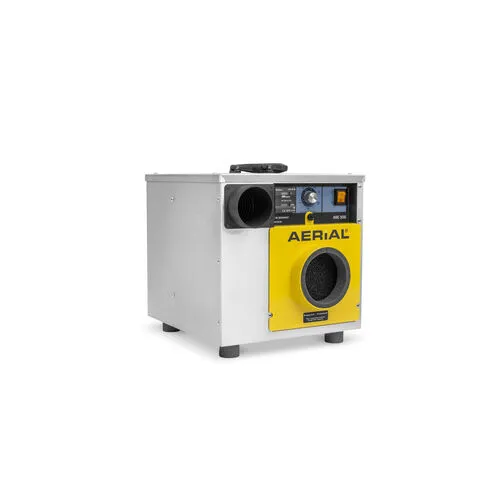
Industrial Units
Used for:
- Flood damage
- Sewage incidents
- Insurance restoration
- Severe damp
This is where professional drying services make a huge difference.
Is Renting a Dehumidifier Worth It?
If your issue is temporary — like after a leak or flood — renting is often the smarter option.
Benefits include:
- Lower upfront cost
- Industrial-grade drying
- Faster restoration
- Expert guidance
For many homeowners, hiring professionals is more cost-effective than buying.
How Long Does It Take to See Results?
Most people notice improvements within:
- 24–48 hours: less condensation
- 3–7 days: fresher air
- 2–3 weeks: visible damp improvement
Severe water damage may take longer.
Final Verdict: Is a Dehumidifier Worth It?
In most UK homes dealing with moisture problems, yes — a dehumidifier is absolutely worth it.
It can:
- Prevent mould
- Improve health
- Protect your property
- Reduce heating costs
- Speed up drying after floods
However, it works best when combined with proper ventilation and, where necessary, professional restoration.
If you’re dealing with flood or damp damage, professional drying support can make the difference between a quick recovery and long-term problems.
FAQs
1. Is a dehumidifier worth it for mould?
Yes. Lower humidity makes it harder for mould to grow, though existing mould still needs proper removal.
2. Do dehumidifiers save money?
They can reduce heating costs and prevent expensive repairs, making them cost-effective in damp homes.
3. Should I buy or rent a dehumidifier?
Buy for ongoing humidity problems. Rent or hire professionals for floods, leaks, or short-term drying needs.





