


Flooding is often thought of as a natural disaster caused by heavy rain or overflowing rivers. While weather and geography play major roles, many floods today are made far worse by human activity. Understanding the human causes of flooding is crucial for reducing risk and protecting homes, businesses, and communities across the UK.
What are the human causes of flooding? The human causes of flooding are the ways our actions increase flood risk — chiefly urbanisation, poor drainage, deforestation, building on floodplains, intensive farming, loss of wetlands, and human-driven climate change. Each reduces the land’s natural ability to absorb and slow down water.
To put the scale in context: according to the Environment Agency’s 2024 National Flood Risk Assessment, around 6.3 million properties in England are now in areas at risk of flooding from rivers, the sea, or surface water — and many of those risks are tied directly to the way we build, live, and manage land.
1. Urbanisation and Concrete Surfaces
One of the most significant human causes of flooding is rapid urbanisation. As towns and cities expand, more land is covered with concrete, tarmac, and other hard surfaces. Unlike soil, which absorbs rainfall, these surfaces stop water soaking into the ground.
Instead, rainwater runs straight into drains and rivers, overwhelming systems that were never designed for such volumes. This is why flash flooding (surface water flooding) is often worst in densely populated urban areas — and it’s now the single biggest source of flood risk in England.
2. Poor and Blocked Drainage Systems
Drainage networks are vital for controlling surface water, but outdated or poorly maintained systems quickly become one of the clearest human causes of flooding. Blocked drains — clogged with litter, leaves, or silt — stop water flowing away properly.
In many older UK towns, drainage infrastructure was built decades ago and simply can’t cope with today’s heavier rainfall. Neglect and underinvestment turn an ageing system into a direct flood risk.
3. Deforestation and Land Mismanagement
Trees and vegetation absorb rainfall and slow down runoff. When they’re removed for construction or agriculture, that natural balance is lost, and rainwater pours straight into rivers and streams, causing rapid rises in water levels. This makes deforestation one of the most damaging human causes of flooding.
Large-scale deforestation abroad has been linked to worsening floods in affected regions. While the UK sees less outright deforestation, land mismanagement — intensive farming and the removal of hedgerows — still increases flooding in rural areas.
4. Building on Floodplains
Despite the obvious risks, housing developments continue to go up on floodplains — land that is naturally prone to flooding. Pressure for new housing often outweighs long-term safety concerns.
When homes and businesses are built in these areas, residents face a much higher chance of flood damage, and insurers respond by raising premiums, leaving homeowners financially exposed. This is one of the human causes of flooding that’s entirely down to planning decisions.
5. Intensive Agriculture and Soil Compaction
Certain farming methods unintentionally raise flood risk. Compacted soil from heavy machinery reduces the land’s ability to absorb rainfall, so water runs off fields far faster. Removing natural features like hedgerows further strips away the land’s built-in defences.
Sustainable practices — planting cover crops, reducing compaction, and restoring field margins — can help reverse this trend.
6. Destruction of Wetlands and Natural Defences
Wetlands, marshes, and bogs act like natural sponges, storing huge volumes of water and releasing it slowly. When they’re drained for development or farmland, that storage capacity disappears, and the water has nowhere to go but into homes and streets. Restoring wetlands is increasingly recognised as one of the most cost-effective flood defences available.
7. Climate Change as a Human-Driven Factor
Climate change, largely driven by human activity, is making flooding more frequent and severe. Warmer air holds more moisture, leading to heavier downpours, while rising sea levels increase the risk of coastal flooding. It’s arguably the most far-reaching of all the human causes of flooding.
The Met Office warns that climate change will bring wetter winters and more intense rainfall to the UK. With current projections, the Environment Agency estimates the number of properties at risk could rise to around 8 million by the middle of the century.
How to Reduce the Human Causes of Flooding
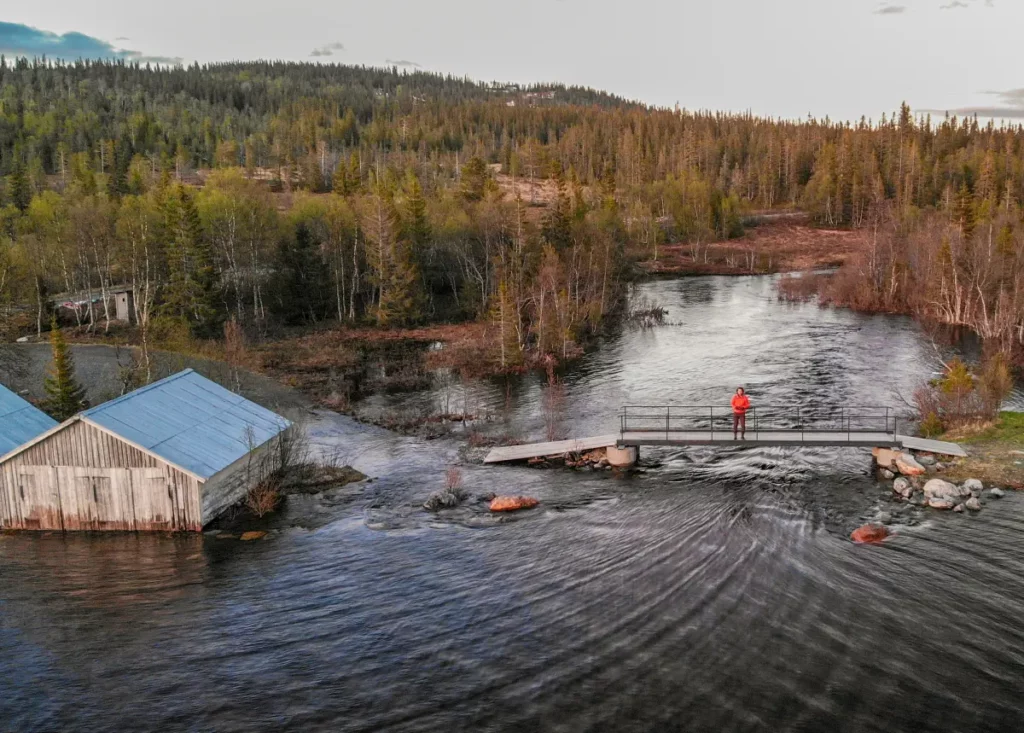
The encouraging part is that because these causes are human, they’re also within our power to address. Smarter planning that avoids floodplains, investment in modern drainage, sustainable drainage systems (SuDS), wetland restoration, responsible farming, and cutting carbon emissions all reduce the risk. Individual homeowners can help too — using permeable paving instead of concrete driveways, installing water butts, and keeping local drains clear.
What to Do If Your Property Floods
Even with the best precautions, floods still happen — and acting fast limits the damage. Prioritise safety first, switch off utilities if it’s safe to do so, document everything for your insurer, and bring in professionals to dry, clean, and restore the property before mould and structural problems set in.
If your home or business has been affected, our flood restoration services can help you recover quickly and safely, and we work directly with insurers to make the process easier.
Conclusion
Flooding isn’t only caused by nature — it’s shaped by human decisions. From paving over green spaces to neglecting drainage and building on floodplains, these 7 human causes of flooding are clear and connected. Urbanisation, poor land management, and climate change all make floods more frequent and more damaging. By recognising our role in the problem, we can push for smarter planning, better infrastructure, and more sustainable living — and be better prepared when floods do strike.
FAQ on Human Causes of Flooding
What is the biggest human cause of flooding?
Urbanisation is one of the biggest contributors, as concrete surfaces prevent water from soaking into the ground and increase runoff.
Can climate change really increase flooding in the UK?
Yes. Warmer temperatures mean heavier rainfall and rising sea levels, which both increase flood risks.
How can human causes of flooding be reduced?
Improved drainage systems, sustainable farming, and avoiding building on floodplains are effective ways to limit human impact.
what are the human causes of flooding?
Human causes of flooding include deforestation, urbanisation, poor drainage systems, and climate change.
What are the three ways in which humans are causing an increase in flooding?
The three main ways humans are increasing flooding are: Deforestation, which reduces natural water absorption Urban development, where roads and buildings prevent rain from soaking into the ground Climate change, driven by human activity, which increases heavy rainfall and extreme weather
How have humans added to flood risk?
Humans have increased flood risk through deforestation, urban development that reduces natural drainage, poor land management, and climate change leading to heavier rainfall.
What are the human impacts of flooding?
Flooding can cause injury and death, displace families, damage homes and infrastructure, spread disease, harm mental health, disrupt work and school, and create major financial losses.





