


Mattresses are one of the most frequently used items in any home, yet they are often overlooked when it comes to cleaning and maintenance. Over time, spills, sweat, accidental stains, and everyday use can leave visible marks and unpleasant odours. This leads many homeowners to search for effective ways to learn how to remove stains from mattresses safely without damaging the the material.
Because mattresses absorb liquids easily, stains can penetrate deep into the fibres. If they are not treated quickly, they may become difficult to remove and may even lead to bacterial growth or unpleasant smells.
Understanding proper mattress cleaning can help extend the lifespan of your mattress, maintain hygiene in your bedroom, and improve overall sleep quality.
In this guide, we explain the most common types of mattress stains, practical cleaning methods, and preventative steps that keep your mattress fresh and stain-free.
Why Mattress Stains Should Not Be Ignored
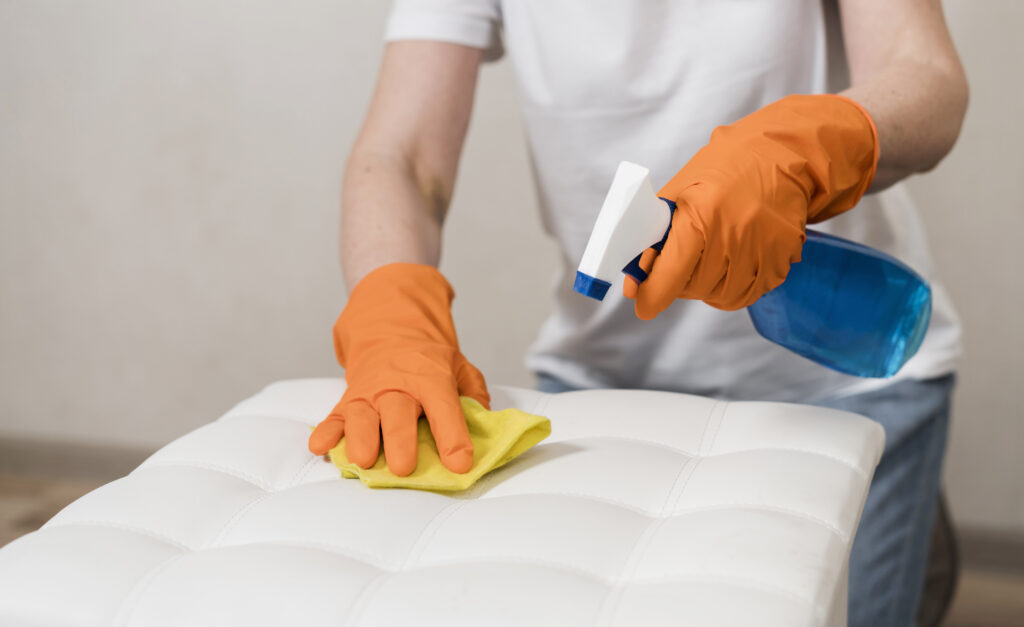
Many people assume mattress stains are only a cosmetic problem. However, stains often indicate deeper issues such as moisture build-up or bacterial growth.
Mattresses absorb sweat, body oils, spills, and other contaminants during everyday use. Over time, these substances can create an environment where bacteria and allergens thrive.
If stains remain untreated, they may lead to:
• Persistent unpleasant odours • Bacterial or mould growth • Reduced mattress lifespan • Poor sleep hygiene
Keeping your mattress clean contributes to healthier indoor environments and better sleep conditions.
For more information about maintaining a hygienic sleeping environment, for more info check: sleep foundation
Common Types of Mattress Stains
Different stains require slightly different cleaning methods. Understanding the type of stain helps determine the best approach to remove it.
Sweat Stains
Sweat is one of the most common causes of mattress stains.
During sleep, the body naturally releases moisture, which can accumulate over time and leave yellowish marks on the mattress surface.
These stains may not always be immediately noticeable but can gradually appear after months or years of use.
Food and Drink Spills
Spilled drinks such as coffee, tea, or juice can quickly soak into mattress materials.
These stains are particularly common in homes where people occasionally eat or drink in bed.
Because liquids penetrate deeply, prompt cleaning is essential.
Blood Stains
Blood stains may occur due to small injuries, nosebleeds, or other accidental situations.
These stains require careful treatment because heat can cause blood proteins to bond with mattress fibres, making them more difficult to remove.
Urine Stains
Urine stains are common in households with children or pets.
These stains often create strong odours if not cleaned properly.
Immediate treatment helps prevent the liquid from spreading deeper into the mattress layers.
How to Remove Stains from Mattresses Step by Step

Removing stains from mattresses requires a careful approach that avoids excessive moisture while effectively lifting the stain.
Below is a general cleaning method suitable for many types of mattress stains.
Step 1: Blot the Stain Immediately
If the stain is fresh, use a clean cloth or paper towel to gently blot the area.
Avoid rubbing the stain because this can push liquid deeper into the mattress.
Blotting helps absorb as much moisture as possible before cleaning.
Step 2: Apply a Mild Cleaning Solution
A simple cleaning solution can be made using:
• Warm water • Mild washing-up liquid • A small amount of bicarbonate of soda
Lightly apply the solution to the stained area using a cloth.
Work gently from the outside of the stain toward the centre to prevent spreading.
Step 3: Blot Again to Remove Moisture
After applying the cleaning solution, use a dry cloth to absorb excess moisture.
Keeping the mattress as dry as possible prevents further damage.
Step 4: Allow the Mattress to Dry Completely
Proper drying is essential after cleaning.
Open windows or use fans to improve air circulation in the room.
Allow the mattress to dry completely before placing bedding back on it.
Read also- why are my water bills so high
Removing Specific Types of Mattress Stains
Sweat Stains
Sweat stains often appear as yellow patches. A mixture of bicarbonate of sodaand hydrogen peroxide can help break down these stains. Apply the mixture lightly and allow it to sit for several minutes before blotting and drying.
Blood Stains
Cold water should always be used when treating blood stains. Warm or hot water may set the stain permanently. Gently blot the stain with cold water and a small amount of mild detergent.
Repeat until the stain fades.
Urine Stains
Urine stains often require deodorising treatment. Bicarbonate of soda is particularly effective because it absorbs odours while helping lift the stain.
Sprinkling bicarbonate of soda over the affected area and leaving it overnight can help remove lingering smells.
Preventing Mattress Stains
Although cleaning methods are helpful, prevention is the best way to maintain a clean mattress.
Several simple habits can protect your mattress from future stains.
Use a Mattress Protector
Waterproof mattress protectors create a barrier that prevents liquids from reaching the mattress surface.
They are particularly useful for families with children or pets.
Avoid Eating in Bed
Food and drinks are among the most common sources of mattress stains. Keeping meals away from the bedroom significantly reduces the risk of spills.
Clean Spills Immediately
Quick action makes stain removal much easier. The longer a liquid remains on the mattress, the deeper it penetrates.
Wash Bedding Regularly
Sheets and pillowcases absorb sweat and body oils. Regular washing helps prevent these substances from transferring to the mattress.
When Mattress Stains May Indicate a Larger Problem
Sometimes mattress stains appear due to hidden moisture issues within the home. For example, high humidity levels or hidden plumbing leaks may create damp environments that affect furniture and bedding.
If a mattress consistently develops damp patches or musty odours, it may indicate:
• Poor ventilation • Excess indoor humidity • Plumbing leaks nearby • Water damage within the property
In such cases, addressing the underlying issue is essential.
Restoration companies such as Disaster Care Capital often assist homeowners when hidden moisture problems have caused damage to furniture, flooring, or indoor environments.
Read also- how to read a digital water meter uk
Example: A Hidden Leak Affecting Bedroom Furniture
A homeowner once noticed repeated damp patches appearing on their mattress despite regular cleaning.
Initially, they assumed the problem was due to humidity. However, an inspection revealed a slow leak in a pipe running behind the bedroom wall.
Moisture from the leak had been gradually affecting the mattress and surrounding furniture. After the plumbing repair and proper drying of the room, the problem was resolved.
This example shows how mattress stains can sometimes reveal deeper issues within a property.
Maintaining a Clean and Hygienic Mattress
Regular mattress maintenance can significantly extend its lifespan.
Experts often recommend cleaning mattresses every few months and rotating them periodically to distribute wear evenly.
Vacuuming the mattress surface can also help remove dust, allergens, and debris that accumulate over time.
For general guidance on keeping homes clean and healthy, for more info check: https://www.nhs.uk/live-well/healthy-home/
Conclusion
Learning how to remove stains from mattresses is an important part of maintaining a clean and comfortable sleeping environment. Stains from sweat, spills, blood, or other accidents are common, but with the right cleaning techniques they can often be removed effectively.
Prompt action, gentle cleaning solutions, and proper drying methods help protect mattress materials while restoring cleanliness.
Preventative measures such as using mattress protectors, avoiding food in bed, and cleaning spills immediately can significantly reduce the risk of future stains.
If stains continue appearing or are accompanied by damp smells, it may be worth investigating potential moisture issues within the property.
By keeping mattresses clean and addressing stains promptly, homeowners can ensure healthier sleep conditions and extend the life of their bedding.
FAQs
What is the best way to remove stains from mattresses?
The best method is to blot the stain immediately, apply a mild cleaning solution, and allow the mattress to dry completely.
Can old mattress stains be removed?
Some older stains can be reduced or removed using bicarbonate of soda, hydrogen peroxide, or specialised cleaning solutions.
How often should a mattress be cleaned?
Mattresses should ideally be cleaned every few months and protected with a mattress cover to prevent future stains.





