


If you rely on a dehumidifier to control damp, condensation or allergy triggers, knowing how to clean a dehumidifier is just as important as owning one.
Many homeowners assume the machine simply runs in the background without needing attention. In reality, a poorly maintained unit can circulate dust, harbour mould, and even worsen indoor air quality. That defeats the entire purpose — especially if you are trying to reduce allergens or prevent further moisture damage.
At Disaster Care Capital, we regularly assist households dealing with water damage and mould remediation. One common issue we encounter is dehumidifiers that have not been cleaned properly, allowing bacteria and mould to grow inside the unit itself.
Let’s walk through exactly how to clean a dehumidifier safely, effectively, and without damaging the appliance.
How Often Should You Clean a Dehumidifier?
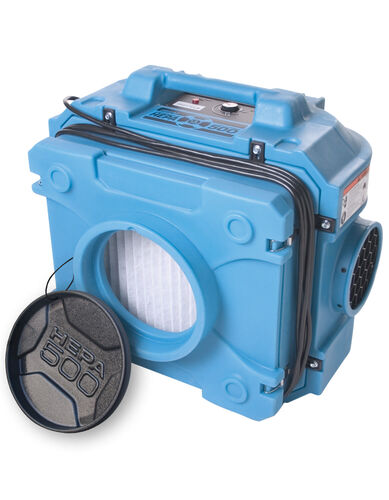
Before covering how to clean a dehumidifier step by step, it is worth understanding the correct frequency.
As a general rule:
- Water tank: every 1–2 weeks
- Air filter: every 2–4 weeks
- Full deep clean: every 3–6 months
If your home has experienced flooding, severe damp, or visible mould, more frequent cleaning may be necessary.
The NHS advises preventing mould build-up indoors to reduce respiratory irritation and allergic reactions. Since dehumidifiers actively collect moisture, they must be kept hygienic.
Step-by-Step: How to Clean a Dehumidifier Properly
Step 1: Turn Off and Unplug
Safety first. Always switch off and unplug the appliance before cleaning. Water and electricity are not a safe combination.
Step 2: Empty and Clean the Water Tank
The water tank is the most common area for mould growth.
- Remove the tank carefully.
- Empty any standing water.
- Wash with warm water and mild washing-up liquid.
- Disinfect using a solution of one part white vinegar to three parts water.
- Rinse thoroughly and allow to dry completely.
If you notice slimy residue or dark spotting, that may indicate mould spores forming.
The World Health Organization highlights that damp environments support mould growth, which can contribute to respiratory symptoms. This makes regular tank cleaning essential.
Step 3: Clean the Air Filter
If you are researching how to clean a dehumidifier, understanding the filter is critical.
Most domestic units have a washable mesh filter designed to capture dust and debris. Over time, it becomes clogged.
To clean:
- Remove the filter according to the manufacturer’s instructions.
- Rinse gently under lukewarm water.
- Use a soft brush if needed.
- Allow to air dry fully before reinserting.
Never reinstall a damp filter, as this can encourage microbial growth inside the machine.
If your model has a HEPA filter, check whether it is washable or requires replacement.
For more info check: https://www.asthmaandlung.org.uk/advice/living-with/healthy-home
Step 4: Wipe Down the Exterior and Vents
Dust accumulates around air intake and exhaust grilles.
Use:
- A soft cloth
- A vacuum with a brush attachment
- Mild detergent if required
Blocked vents reduce efficiency and may cause overheating.
Step 5: Inspect the Coils (If Accessible)
Some models allow access to cooling coils. If so:
- Use a soft brush or vacuum
- Avoid bending delicate fins
- Do not apply excessive moisture
If the unit smells musty even after cleaning the tank, hidden mould inside the coils may be present. In severe cases, professional servicing may be required.
Common Mistakes When Cleaning a Dehumidifier
Understanding how to clean a dehumidifier properly also means avoiding these errors:
- Using harsh chemical cleaners
- Soaking electrical components
- Reassembling while parts are damp
- Ignoring the filter
- Forgetting to clean drainage hoses
Drain hoses used for continuous drainage can harbour biofilm build-up. Flush periodically with diluted vinegar solution.
Real-World Example: The Musty Bedroom Problem
A homeowner in Leeds contacted us because their bedroom still smelled damp despite running a dehumidifier constantly.
The issue was not the machine — it was maintenance. The tank had not been cleaned for months, and black mould had formed around the edges.
After properly following the steps on how to clean a dehumidifier:
- Odour reduced significantly
- Air felt fresher
- Allergy symptoms improved
The appliance was functioning correctly; it simply needed cleaning.
Read also- Can Dehumidifiers Help in Restoration
Why Cleaning Supports Allergy Control

Many people searching how to clean a dehumidifier are also managing allergies.
Dust mites and mould thrive in damp environments. A dehumidifier reduces moisture, but if mould forms inside the unit, spores can still circulate.
According to the Asthma and Lung UK, reducing indoor damp and mould is essential for respiratory health. Cleaning ensures your appliance supports that goal rather than undermines it.
Signs Your Dehumidifier Needs Immediate Cleaning
Do not wait for scheduled maintenance if you notice:
- A musty smell from the unit
- Reduced water collection
- Visible dirt on the filter
- An unusual noise
- Your allergy symptoms worsening indoors
These signs suggest it is time to revisit how to clean a dehumidifier properly.
Read also- how does a dehumidifier work for damp
When Cleaning Is Not Enough
If your property has experienced significant water intrusion — burst pipes, roof leaks, flooding — domestic dehumidifiers may not resolve hidden moisture within walls and flooring.
In these situations, professional moisture mapping and commercial-grade drying are necessary to prevent structural damage and mould colonisation.
At Disaster Care Capital, we often find that homeowners attempt repeated cleaning without realising the underlying damp problem remains untreated.
Maintenance Tips to Extend Lifespan
To reduce how often you need deep cleaning:
- Position the unit away from walls
- Keep doors and windows closed when operating
- Empty the tank regularly
- Avoid overfilling
- Use a humidistat setting around 45–50%
Consistent maintenance reduces strain on components and improves efficiency.
Seasonal Considerations in the UK
In autumn and winter, UK homes experience higher condensation due to cold external temperatures and indoor heating. This means dehumidifiers work harder — and require more frequent cleaning.
In summer, especially in coastal or humid regions, mould growth can accelerate if tanks are left unattended.
Understanding how to clean a dehumidifier year-round ensures it performs reliably in every season.
Conclusion
Knowing how to clean a dehumidifier is essential for maintaining healthy indoor air and preventing mould growth.
Regular cleaning:
- Stops bacteria build-up
- Prevents musty odours
- Maintains efficiency
- Supports allergy management
- Extends the appliance lifespan
If your property has underlying damp issues, cleaning alone may not solve the problem. However, proper maintenance ensures your dehumidifier works exactly as intended — protecting both your home and your health.
At Disaster Care Capital, we understand that damp and moisture problems are more than inconvenient; they affect comfort, wellbeing and property value. Taking small preventative steps, like learning how to clean a dehumidifier properly, can make a meaningful difference.
Frequently Asked Questions
1. How often should I clean my dehumidifier?
The water tank should be cleaned every 1–2 weeks, the filter every 2–4 weeks, and a deep clean carried out every 3–6 months.
2. Can mould grow inside a dehumidifier?
Yes. If not cleaned regularly, standing water and trapped dust create an environment where mould can develop.
3. What is the best solution for cleaning a dehumidifier tank?
A mixture of warm water and mild detergent followed by diluted white vinegar works well for disinfecting without damaging components.





