


If you’ve noticed soot in your home, it’s essential to understand what it is, where it comes from, and how it can harm you.
In this blog, we’ll explore the soot meaning, what soot is, where it comes from, what it looks like, how much soot is harmful—including How Much Soot Is Dangerous to Humans?—as well as how to remove soot and prevent it from building up in your home.
What Is Soot?
Soot is a black, powdery or flaky substance made up of tiny carbon particles. It forms when organic matter—like wood, coal, or oil—burns incompletely. While it may look harmless, soot contains harmful chemicals, including carbon monoxide, sulfur dioxide, and even carcinogens. Understanding how much soot is dangerous to humans is important, as exposure levels and duration can significantly affect health risks.
Learn What are the Health Effects of Combustion Products?
Where Does Soot Come From?
Soot can result from various sources in and around your home, such as:
- Fireplaces and Chimneys: Burning wood or other materials releases soot that can accumulate in chimneys and flues.
- Furnaces and Boilers: Inefficient or poorly maintained heating systems can emit soot into your living space.
- Candle Burning: Even something as simple as burning candles regularly can produce soot.
- Vehicle Emissions: If you live near a busy road, airborne soot from vehicles can enter your home.
Learn How to Reduce Exposure to Combustion Products at Home
What Does Soot Look Like?
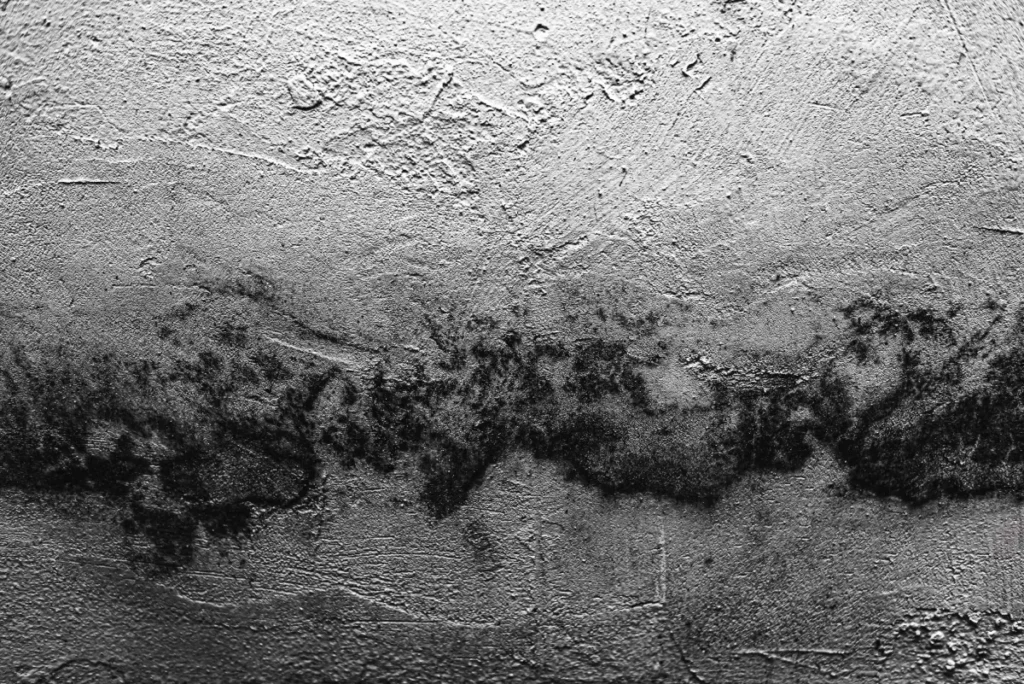
Soot appears as a black, oily, or powdery substance. It might coat surfaces in your home, leaving a fine layer on walls, ceilings, or furniture. You might also notice streaks of black near heating vents or fireplaces.
Does it have Smell?
Yes, soot often has a noticeable odour. Depending on its source, it may smell smoky or chemical-like. The smell can linger in your home, embedding itself in fabrics and soft furnishings. Not only is this unpleasant, but it’s also a sign that harmful particles are circulating in the air.
Read on : DIY Tips To Get Rid Off Smoke Smell In Your Home
How Much Soot Is Dangerous to Humans?
Key Health Risks of Soot Exposure:
- Respiratory Issues: Inhaling soot particles can irritate your lungs and lead to breathing difficulties, asthma, or chronic bronchitis.
- Cardiovascular Problems: Prolonged exposure to airborne soot has been linked to heart diseases.
- Cancer Risks: Soot contains polycyclic aromatic hydrocarbons (PAHs), which are known carcinogens.
- Eye and Skin Irritation: Direct contact with soot can cause redness, itching, and inflammation.
How to Remove Soot Safely
- Protect Yourself: Wear gloves, a mask, and protective goggles to avoid direct exposure to soot.
- Ventilate the Area: Open windows and doors to improve air circulation and reduce indoor air contamination.
- Use the Right Tools:
- A vacuum cleaner with a HEPA filter can remove loose soot particles.
- Special soot sponges can lift soot from surfaces without smearing it.
- Wash Hard Surfaces: Use a mixture of warm water, detergent, and vinegar to clean walls, floors, and furniture.
- Professional Help: For extensive soot damage, call in professionals who specialize in soot and smoke remediation. They have the tools and expertise to safely restore your home.
What are the Soot poisoning symptoms?
Soot poisoning symptoms (from inhalation or heavy exposure) can range from mild irritation to serious respiratory and systemic effects. Common soot health effects include:
-
Coughing
-
Shortness of breath
-
Chest tightness
-
Sore throat
-
Eye irritation
-
Headache
-
Dizziness
-
Nausea
-
Severe breathing difficulty (in serious cases)
Preventing Soot Buildup
Follow these preventative measures to avoid dealing with soot in the first place
- Regularly clean and inspect chimneys, furnaces, and HVAC systems.
- Avoid burning low-quality candles /materials that produce excessive smoke.
- Ensure proper ventilation in areas prone to soot buildup.
- Use air purifiers to reduce airborne particles in your home.
Bottom Line!
Don’t hesitate to contact a professional for help. Protecting your health and home is worth the effort.
Conclusion: How much soot is dangerous to humans?
FAQs on How Much Soot Is Dangerous to Humans
Does soot cause respiratory problems?
Yes. Soot can cause respiratory problems, especially when inhaled over time. Exposure may irritate the lungs and airways, worsen asthma and allergies, and contribute to coughing, shortness of breath, and other breathing difficulties. Children, older adults, and people with existing respiratory conditions are particularly vulnerable.
Is soot toxic?
Yes. Soot can be toxic because it contains fine particles and chemicals that may be harmful when inhaled. Exposure can irritate the lungs, worsen respiratory conditions, and, in high concentrations or long-term exposure, pose more serious health risks.
Is black soot harmful to humans?
Yes. Black soot can be harmful to humans because it contains fine particles that can be inhaled deep into the lungs. Exposure may cause respiratory irritation, worsen asthma and allergies, and lead to other health issues, particularly with prolonged or heavy exposure.
Is soot dangerous to touch?
Yes. Soot can be harmful to touch, especially in large amounts or with prolonged exposure. It may irritate the skin and can transfer harmful particles to your hands, which could be ingested or inhaled if proper hygiene is not followed. Wearing gloves and washing thoroughly after contact is recommended.
Is soot dangerous?
Yes, soot is dangerous. It contains fine particles and toxic chemicals that can irritate the lungs, worsen asthma, and increase the risk of respiratory and heart problems—especially with prolonged exposure.
Is soot smell dangerous?
A soot smell can be harmful if it indicates airborne particles or poor ventilation. Inhaling soot fumes may irritate the lungs and worsen respiratory conditions, especially with prolonged exposure.
why is soot dangerous?
Soot is dangerous because it contains tiny toxic particles that can enter the lungs and bloodstream, causing respiratory irritation, worsening asthma, and increasing the risk of heart and lung disease over time.
where does soot come from?
Soot comes from the incomplete burning of fuels like wood, coal, oil, gas, candles, and diesel. It’s commonly produced by fireplaces, stoves, engines, and industrial emissions.
What happens if I breathe in soot?
Breathing in soot can irritate your lungs, causing coughing, shortness of breath, chest tightness, headaches, and dizziness. Heavy or long-term exposure may worsen asthma and increase the risk of heart and lung problems.
How is soot harmful to the environment?
Soot harms the environment by polluting air, contributing to climate change, and accelerating ice and snow melt when it settles on surfaces. It also damages plants, soil, and water quality.





