


An electrical fire can ignite within seconds and spiral into an inferno in little time. Faulty wiring, overloaded circuits, or damaged appliances cause such fires, and they happen to be most dangerous because this kind of combustion cannot be extinguished-with-in fact, makes it worse. So, if there is fire due to electricity- do you know how do you deal with an electrical fire?
Well, knowing how to deal with an electrical fire is imperative in saving your property and the lives of your loved ones. Knowing the correct methods for putting out fire and when to contact the emergency services can mean the difference from controlling the fire immediately to facing a disastrous fate. In this article, we’ll kite you through the essential steps to safekeeping when dealing with an electrical fire UK and safeguarding against future dangers.
Read on Fire safety and prevention advice from UK Fire Service.
The Steps When Dealing with electrical fires
Step 1:
Do NOT Use Water to Put Out an Electrical Fire
- Water would be the first thing your instincts drive you to use, but it is very risky. Water does not only conduct electricity; it could spread the fire further even give you an electric shock.
- NEVER use water on an electrical fire!
Instead, use a dry chemical fire extinguisher, baking soda, or a fire blanket.
Step 2:
Cut Off the Power Supply
The best way to stop an electrical fire from spreading is to disconnect the power source. If the fire starts from an appliance:
- Unplug it immediately, but only if it’s safe to do so.
- If you can’t reach the plug, switch off the power at the circuit breaker.
If the fire has already spread, do NOT attempt to unplug anything – focus on evacuating safely.
Shutting off the electricity removes the fire’s fuel source, thus lessening the intensity and making it easier to extinguish.
Step 3:
Use a Fire Extinguisher Designed for Electrical Fires
Read more on fire restoration checklist
What are the Causes for an Electrical Fire?
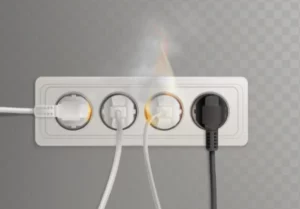
Here are the warning signs of a potential electrical fire, an important part of understanding electrical fires causes and prevention:
-
Damaged or deteriorating wiring that overheats.
-
Circuits overloaded with too many plugged-in devices.
-
Faulty sockets or switches with loose or worn components.
-
Appliances failing internally or being used incorrectly.
-
Poor or unsafe electrical installations and modifications.
How to Prevent Electrical Fires in Homes
The first and best defence is prevention against electrical fires. The following simple safety tips will help reduce the risk:
- Check Wiring & Outlets -Frayed wires, loose connections, and outdated circuits can spark a fire.
- Do not overload Sockets: Having too many gadgets connected in one extension can make it susceptible to overheating.
- Unplug Appliances When Not in Use -This prevents power surges damaging electrical systems.
- Replace Damaged Cords- exposing or fraying wires can overheat and ignite.
- Use Surge Protectors. Protects against the possibility of surging over electricity, which could cause a fire in an appliance.
- Would Get Regular Electrical Inspections – Hire a licenced electrician because wiring should be done every 5-10 ins.
However, if the flickers, buzzing outlets, or breakers trip too often, have an electrical checkup done in no time. Symptoms show there is an indication of a possible fire risk.
Visit Home electrical safety guidance from Electrical Safety First UK.
Need professional fire damage restoration service– Contact us today!
How to Use a Fire Extinguisher (PASS Method):
- Pull pin
- Aim at the fire’s base
- Squeeze the handle
- Sweep side to side until the fire is out.
If you do not have electrical fire extinguisher, baking soda can be a way to smother small electrical fires because it contains sodium bicarbonate, one common ingredient in fire extinguishers.
Emergency response event call to firefighters if a fire keeps spreading, do not try to extinguish it yourself. Leave and call 999 (the local emergency number in the UK) for the fire brigade.
- Close doors behind you to slow the fire’s spread.
- Tell the fire service it’s an electrical fire, so they can respond appropriately.
- Never return to the house until emergency services indicate it is safe to do so.
However, even if it’s small, never fail to have a professional check it afterwards, electrical fires smoulder within walls, ceilings, etc., without showing danger to the naked eye.
Do you know how to differentiate between fire extinguisher colour codes
Conclusion
Knowing how do you deal with an electrical fire can save lives and protect against catastrophic damage. Quick actions like cutting the power, using the right extinguisher, and calling emergency services-can greatly increase the chances of controlling and preventing potential disaster. Most importantly, and more than anything else, their regular maintenance and safety checks have made it unnecessary for such fires to start in the first place.
Key Takeaways:
- Never use a hose to put out electrical fires.
- Turn off the mains power if possible.
- Use a Class C or CO₂ fire extinguisher for the fire.
- Evacuate if the fire spreads and call 999.
- Get your safety inspections done at regular intervals to prevent fires.
If you’ve experienced an electrical fire, Disaster Care Capital is here to help with fire damage restoration and electrical safety solutions. Contact us today for expert assistance.
FAQs
What should I do if an electrical fire breaks out in an appliance?
If possible, unplug it from a safe distance, cut the power at the mains, and extinguish it using a Class C fire extinguisher or baking soda.
Why is water dangerous for electrical fires?
Because water conducts electricity, it might spread the fire further as well as cause electrocution.
How can I tell if my home is susceptible to an electrical fire?
Watch for flickering lights, buzzing sounds, discoloured outlets, and frequently tripped breakers—all signs of faulty wiring.
What action should I take after an electrical fire?
Call the emergency services, get an assessment of the damage, and hire the fire restoration company to make reparation and cleanup. A fire restoration company will do the necessary repairs and cleaning as well.
Can I put a fire blanket on an electrical fire?
Yes, but this is only valid for small fires and if you are sure that the material is not flammable.
How do you extinguish an electrical fire?
To extinguish an electrical fire, switch off the power if safe to do so, use a CO₂ or dry powder extinguisher, never use water, and call emergency services immediately if the fire spreads or you’re unsure.
What should you never use to put out an electrical fire?
You should never use water to put out an electrical fire, as it can cause shock or make the fire worse.





