


Your homebuyer survey has come back with a damp flag — an amber or red condition rating on one or more walls, ceilings, or floors, with a recommendation for specialist investigation. This is one of the most commonly triggered survey findings in UK residential property, and the range of outcomes it can lead to is enormous: from a minor condensation issue requiring ventilation improvement that costs a few hundred pounds, to significant penetrating or rising damp requiring professional remediation that costs many thousands.
What the survey finding tells you on its own is limited. A RICS Level 2 HomeBuyer Report identifies visible and accessible concerns using spot-check moisture metre readings and visual inspection — but it does not carry out the systematic, instrument-based moisture mapping that distinguishes minor surface moisture from significant structural damp. The survey flag is an instruction to investigate further, not a diagnosis.
This guide covers what to do when your survey flags damp — in the right order, with the right people, and without making the decisions that leave you either overpaying or under-protected.
What the Survey Is Actually Telling You
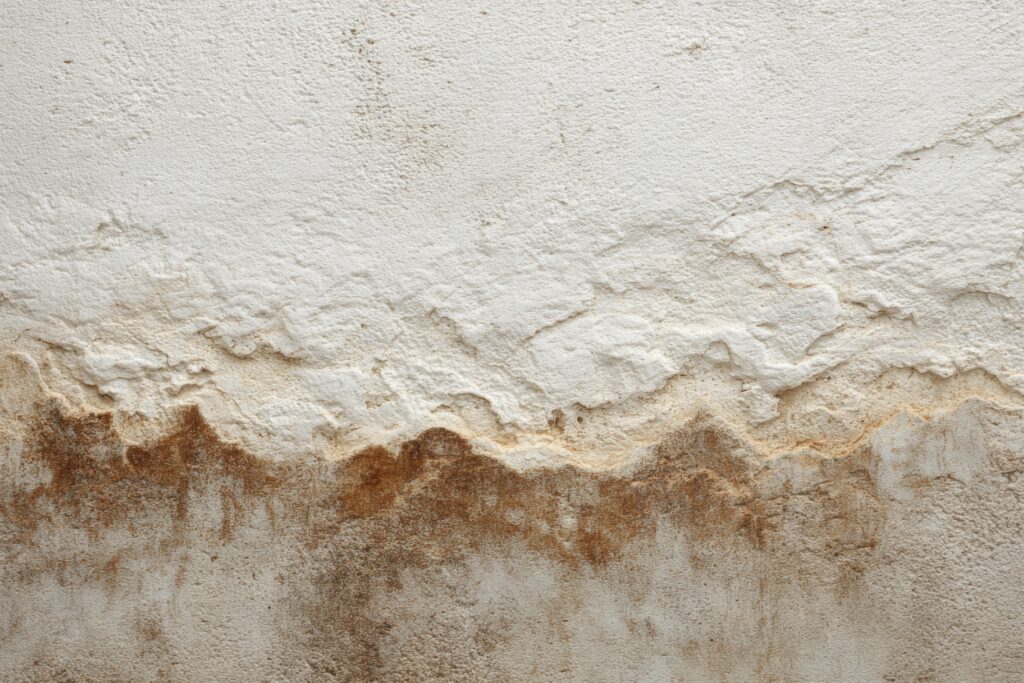
Understanding what a survey damp flag does and does not tell you helps calibrate the correct response.
What a RICS Level 2 HomeBuyer Report provides:
A Level 2 survey is a visual inspection with basic moisture metre spot-checks at areas of concern. The surveyor assigns a condition rating (1 = no repair required, 2 = repair or replacement required, 3 = urgent investigation or attention required) to each element. A damp rating of 2 or 3 means the surveyor identified elevated moisture in that area at the time of inspection and recommends specialist investigation.
The survey does not tell you:
- The cause of the damp (condensation, penetrating, rising, or residual from a previous event)
- The extent of the moisture within the building fabric
- What the remediation cost would be
- Whether the problem is active or historical
What a RICS Level 3 Building Survey adds:
A Level 3 survey includes more detailed commentary, often enters the loft space, and provides more thorough assessment of the sub-floor structure. It still does not typically include thermal imaging or systematic moisture mapping.
The gap a specialist survey fills:
A BDMA-accredited specialist moisture survey using calibrated pin and non-invasive metres, thermal imaging, and systematic grid-based measurement produces the data a Level 2 survey cannot. It tells you the cause, the extent, the severity, and provides a remediation recommendation that a contractor can quote from.
Step 1 — Do Not Panic, Do Not Withdraw
A survey damp flag is not a reason to immediately withdraw from the purchase. It is a reason to investigate further before making a decision. Many damp flags turn out to be condensation issues that require improved ventilation and modest surface treatment. Others turn out to be more significant. But the flag alone does not tell you which you are dealing with.
Withdrawing before investigating means losing your survey fee and legal costs incurred so far — and potentially missing a purchase that could have been managed with the right information. Proceeding without investigating means potentially committing to a purchase with undiscovered structural moisture at full price.
The correct response is to investigate.
Read also- how to detect a leak under floorboards
Step 2 — Instruct a Specialist Moisture Survey

The specific investigation required is a BDMA-certified moisture survey — not a free damp survey from a damp-proofing company, and not another general surveyor.
Why not a free damp survey from a contractor?
A free survey from a damp-proofing company is a sales call with paperwork — the surveyor is incentivised to recommend the treatment products and services their company provides. The findings may be accurate, but the remediation recommendations are commercially influenced. For a pre-purchase decision that may involve negotiation, a legal position, or a decision about whether to proceed at all, you need independent professional evidence, not a sales pitch.
What the specialist survey produces:
- Systematic moisture readings at a defined grid of points across all flagged areas
- Thermal imaging showing moisture distribution behind surfaces invisible to visual inspection
- Cause identification — the specific mechanism producing the damp
- A written report with readings, probable cause, and remediation recommendations
This report is the document that underpins every subsequent decision: price negotiation, request for remediation before exchange, decision to proceed or withdraw, or legal recourse if damp was undisclosed.
Cost: typically £300 to £600 for a thorough specialist survey. This is the most cost-effective investment available before any decision is made about a property with flagged damp.
Timing: The specialist survey needs to be carried out before exchange of contracts. After exchange you are legally committed. Instruct the survey promptly — most specialist surveyors can attend within a week to ten days.
Step 3 — Understand What You Have Found
Once the specialist survey report is in hand, it will identify one of several scenarios. Understanding which scenario you are in determines your next move.
Scenario A — Minor condensation, no structural moisture. The elevated readings were from surface condensation on a cold wall — the wall fabric is not structurally saturated. The underlying cause is inadequate ventilation. Remediation: improved extraction ventilation, trickle vents, and potentially a Positive Input Ventilation system. Cost: typically £300 to £1,500 for ventilation improvement. This is the best-case outcome from a survey flag. Proceed with the purchase. Consider a modest price negotiation to cover the ventilation improvement.
Scenario B — Penetrating damp from an identifiable external defect. Water is entering through a specific failure — a blocked gutter, failed pointing, cracked render, defective window sealant. The remediation involves repairing the external defect and allowing the wall fabric to dry. Where the wall fabric is significantly saturated, a professional drying programme with industrial equipment will be required after the repair. Cost: varies widely depending on the defect and the extent of internal fabric moisture — from £300 to £5,000+ depending on access difficulty and wall construction. A realistic quote from a restoration contractor based on the specialist survey report is required.
Scenario C — Rising damp from a failed or absent DPC. Ground floor external walls showing the characteristic low-level tide mark, salt deposits, and soft plaster. Remediation: chemical DPC injection, specialist re-plastering with salt-retardant renovating plaster, and a drying programme during and after the works. Cost: £2,000 to £7,000+ depending on linear metre of wall affected and whether replastering is included. A realistic contractor quote is required.
Scenario D — Significant post-flood or water event moisture. The fabric is carrying substantial moisture from a previous event that was not professionally dried. The survey shows elevated readings across large areas, possibly including sub-floor timber. Remediation: professional drying programme with industrial desiccant equipment, daily monitoring, confirmed dry standard, and replastering to the correct specification. Cost: depends significantly on extent — typically £3,000 to £15,000+ for a thorough programme in an affected property. A BDMA-certified restoration company quote based on the survey report is required.
Step 4 — Obtain a Contractor’s Quote
Once the specialist survey report identifies the cause and recommends remediation, obtain a detailed written quote from a qualified contractor based specifically on the survey report findings. The quote should specify:
- The exact scope of works recommended
- Materials to be used (particularly for plastering — renovating plaster vs standard gypsum)
- Whether a professional drying programme is included and what equipment will be used
- What confirmation of completion looks like (drying certificate, post-remediation moisture readings)
- Any guarantee on the works
For rising damp treatment, obtain quotes from CIGA-warranted (Chemical Injection Guarantee Association) contractors — the CIGA guarantee is transferable on property sale and is the standard industry assurance for chemical DPC injection works.
Step 5 — Decide Your Position and Negotiate
Armed with the specialist survey report and a contractor’s quote, you now have the evidence to make a considered decision.
The four main options:
- Request a price reduction equal to the contractor’s quote for remediation. The specialist survey report and the contractor’s quote are the evidence that supports the reduction. The seller can accept, counter-offer, or refuse.
- Request the seller remediate before completion — carry out the works, provide evidence of completion and a drying certificate, and reduce the price accordingly. This is a cleaner outcome for the buyer but requires the seller to engage a contractor and provide documented completion evidence.
- Proceed at the agreed price — if the remediation cost is modest (Scenario A) and the property otherwise represents value, proceeding at the agreed price with the knowledge of what needs doing is a reasonable position.
- Withdraw — if the extent of the problem is greater than the survey suggested, if the cost is disproportionate to the discount available, or if the seller is unwilling to negotiate in any way. Withdrawal before exchange allows you to recover your position with only survey and legal costs lost.
For RICS guidance on homebuyer surveys and condition ratings, check: RICS — HomeBuyer surveys explained
Step 6 — If You Proceed — Plan the Drying Programme
If you proceed with a purchase where damp remediation is required post-completion, plan the drying programme as part of your moving-in timeline. Do not decorate, carpet, or furnish the affected areas until the remediation is complete and the walls have returned to confirmed dry standard.
Industrial desiccant dehumidifiers running in sealed rooms, with daily moisture monitoring, are the equipment required for any significant structural drying. Domestic dehumidifiers are inadequate for established fabric moisture in the quantities that a property with significant damp will carry.
Dehumidifier Rentals provides industrial desiccant and refrigerant dehumidifiers for hire across the UK — correctly specified for post-purchase drying programmes, structural drying after water events, and renovation projects where fabric moisture must be confirmed at dry standard before finishes are applied. Contact Dehumidifier Rentals today for fast delivery and free expert guidance.
For guidance on damp treatment warranties and CIGA accredited contractors, check: CIGA — Chemical Injection Guarantee Association
Conclusion
A homebuyer survey damp flag is an instruction to investigate — not a reason to panic or proceed without further information. The correct sequence is: instruct a specialist moisture survey before exchange to establish cause, extent, and remediation cost; obtain a contractor’s quote based on the survey; and use this information to negotiate a price reduction, request works, or make an informed decision to proceed or withdraw. For any scenario requiring a post-purchase drying programme, industrial desiccant equipment run continuously in sealed rooms and monitored daily is the correct approach.
Frequently Asked Questions
What should I do if my homebuyer survey finds damp?
Instruct a specialist BDMA-certified moisture survey before exchange of contracts. This establishes the cause (condensation, penetrating, rising, or residual moisture from a previous event), the extent, and the remediation required. Armed with a specialist survey report and a contractor’s quote, you can negotiate a price reduction, request works before completion, or make an informed decision about whether to proceed.
How serious is damp flagged on a homebuyer survey?
The survey flag tells you elevated moisture was present but does not diagnose the cause or severity. A specialist survey establishes which of four scenarios applies — minor condensation requiring ventilation improvement (lowest severity), penetrating damp from a repairable defect (moderate), rising damp from a failed DPC (significant), or major structural moisture from a previous water event (most significant). The cost range spans hundreds to tens of thousands of pounds depending on the scenario.
Can you negotiate on price if a survey finds damp?
Yes — a specialist survey report establishing the cause and a contractor’s written quote for remediation provide the evidence for a price reduction negotiation. The seller can accept, counter, or refuse. If the damp was undisclosed on the Property Information Form, legal recourse may also be available. A clear remediation cost supported by professional documentation is always more persuasive than a verbal assertion that the property has damp.
How long does it take to fix damp found on a survey?
It depends entirely on the cause and extent. Ventilation improvement for condensation can be completed in days. External defect repair for penetrating damp takes days to weeks. Rising damp treatment (DPC injection and replastering) typically takes 2 to 4 weeks. A professional structural drying programme following major water event moisture takes 6 to 16 weeks for the fabric to return to confirmed dry standard. Instruct the specialist survey to establish which scenario applies before estimating timescales.





