


Each year over 829,000 people die from diseases (UNICEF) caused by unsafe water, inadequate sanitation and poor hygiene practices. Many of these diseases are linked to untreated sewage.
Imagine walking into your home and discovering a sewage backup—raw sewage spilling into your space, bringing with it foul odours and health risks.
In this article, we’ll explore why untreated sewage is so hazardous, the health risks involved, and the steps you can take to protect yourself and your family. Whether it’s a minor overflow or a full-blown backup, acting quickly and safely is crucial.
What is Sewage?
Sewage water is a type of wastewater mainly composed of human faeces, industrial remnants and a variety of debris from plastics or sanitary items.
If not properly addressed—it can cause serious health risks to the whole community. Regardless of its cause—whether it’s a plumb issue, natural disasters or outdated infrastructure—sewage pills can lead to critical health dangers..
But, what exactly are these dangers?…
Why Untreated Sewage Is Dangerous
Untreated sewage is more than just dirty water—it’s a toxic mix of human waste, harmful bacteria, viruses, and chemicals. Here’s why it’s so dangerous:
- Harmful Pathogens: Sewage contains bacteria like E. coli, Salmonella, and viruses that can cause severe illnesses.
- Toxic Chemicals: Household waste in sewage may include harmful chemicals that can contaminate the environment.
- Airborne Contaminants: Sewage releases gases like methane and hydrogen sulfide, which can be harmful to breathe.
- Environmental Damage: Left untreated, sewage can seep into the soil and water supply, causing widespread contamination.
The dangers of untreated sewage extend far beyond immediate discomfort—it poses serious risks to health and safety.
Common Health Problems Caused by Sewage Exposure
Even after sewage treatment, unfortunately, the complete elimination of bacteria, viruses and parasites isn’t possible. This means there is still a risk of sewage-related diseases, ranging from minor infections to fatal illnesses…such as:
- Bacteria-related diseases
Salmonellosis- bacterial infection caused by Salmonella; symptoms include: diarrhoea, stomach cramps, fever or even long term joint pain.
Shigellosis- caused by shigella bacteria. It shares symptoms of salmonellosis except with urgent bowel habits. Bowel habits might take 7 days for improvement- but a doctor’s advice is necessary if it persists.
Good hygiene practices is a must for prevention as it is contagious
.
Trachoma- bacterial infection affecting the eye—it may cause blindness (about 1.9 million people around the globe). It is common in poor community areas exposed to contaminated water and can spread either directly or indirectly.
Melioidosis- caused by microorganisms found in sewage—lead to flu-like symptoms (headache, fever, breath-shortness). Good to know, antibiotics can treat it with recovery times of 2-3 months.
- Viral-related diseases
Gastroenteritis- occurs due to swallowing contaminated water which continues to develop in your digestive system. Symptoms include cramping stomach pain, diarrhoea and vomiting that may last for 1-2 days.
Hepatitis A- untreated sewage exposure may lead to Hepatitis A. The disease leads to flu-like symptoms with possibility of jaundice, abdominal pain and itchy skin.
- Parasitic-related diseases
- Giardiasis– From the Giardia lamblia parasite affecting your small intestine—causing gastrointestinal symptoms. Symptoms range from nausea, fatigue, diarrhoea, appetite loss, abdominal pain and vomiting.
- Strongyloidiasis: caused by direct human skin penetration. A rare condition that can affect your skin, lung, and intestine.
- Hookworm Infection—it is a worm that sucks blood from huma host leading to weakness, diarrhoea and constipation– more common in warmer climates.
- Threadworm Infection—small white worms found in stool Common in the UK, these parasites cause discomfort but are easily treated within days.
- Tapeworm Infection: Often asymptomatic and can be mistaken with other diseases. They are transmitted by swallowing contaminated food or water (sewage).
- Respiratory Problems
Harmful gases like methane and hydrogen sulfide are emitted from sewage products. Even Though small leaks seem harmless, however long exposure can result in headaches, dizziness, respiratory issues and even suffocation.
- Skin infections/Irritations
Cuts or open wounds that become in contact with contaminated water are easily vulnerable to infections. They are not painful, but can spread if left untreated especially in weak immunity patients
- Water-borne Diseases
Water sources contaminated with sewage can lead to cholera, dysentery or typhoid fever. They can lead to severe dehydration if left untreated.
In areas of poor sewage treatment, outbreaks can occur affecting the entire community!
Sewage may seem like just a byproduct of our daily lives– but when neglected–the health risks are real and life-threatening.
What to do if exposed to raw sewage?
- In case there is exposure to raw sewage, the following is a step-by-step guide intended to minimize health risks and ensure safety:
- Immediate evacuation from sewage—Get to fresh air.
- Remove Contaminated Clothing—Place cloth in a plastic bag to prevent contamination.
- Wash Skin Well—Wash immediately with soap and warm water for a good scrub of your skin and to take away pathogens. Apply antiseptic after washing to eradicate remaining germs
- Disinfect Cuts/Wounds—Cleanse with soap and water; apply antiseptic such as hydrogen peroxide or alcohol, and bandage with a clean dressing to prevent infection.
- Wash Contaminated Clothes Separately—Was this clothing out of the house using hot water and detergent with bleach, which will disinfect? Don’t mix in the laundry with any other garments.
- Clean and Disinfect Surfaces—1 cup bleach/1 gallon water to clean any surface that sewage has touched.
- Signs of Illness—Pay attention to your health. If you start feeling sick, go see a doctor.
- Medical Advice-Speak with your physician if you drank or inhaled sewage-contaminated water or were exposed to sewage for a long time.
- Avoid Using Contaminated Water- Do not utilize water contaminated by sewage for drinking, cooking, or washing until it has been properly tested and cleared.
Long-Term Risks of Contamination in Homes
If sewage contamination isn’t addressed quickly, it can lead to long-term risks for your property and health:
- Mould Growth: Moist environments caused by sewage backups are a breeding ground for mould, which can cause respiratory issues and weaken structures.
Check our services on moisture surveys
- Structural Damage: Prolonged exposure to sewage can weaken walls, floors, and foundations, leading to costly repairs.
- Persistent Odours: Even after cleanup, lingering smells can make your home unpleasant and unlivable.
- Chronic Health Issues: Repeated exposure to contaminants can result in long-term health problems like asthma or weakened immunity.Check our article on How to remove damp odour?
Importance of Using Safety Equipment During Cleanup
Cleaning up sewage might seem straightforward, but it’s dangerous without the right precautions. Safety equipment is critical:
- Protective Clothing:
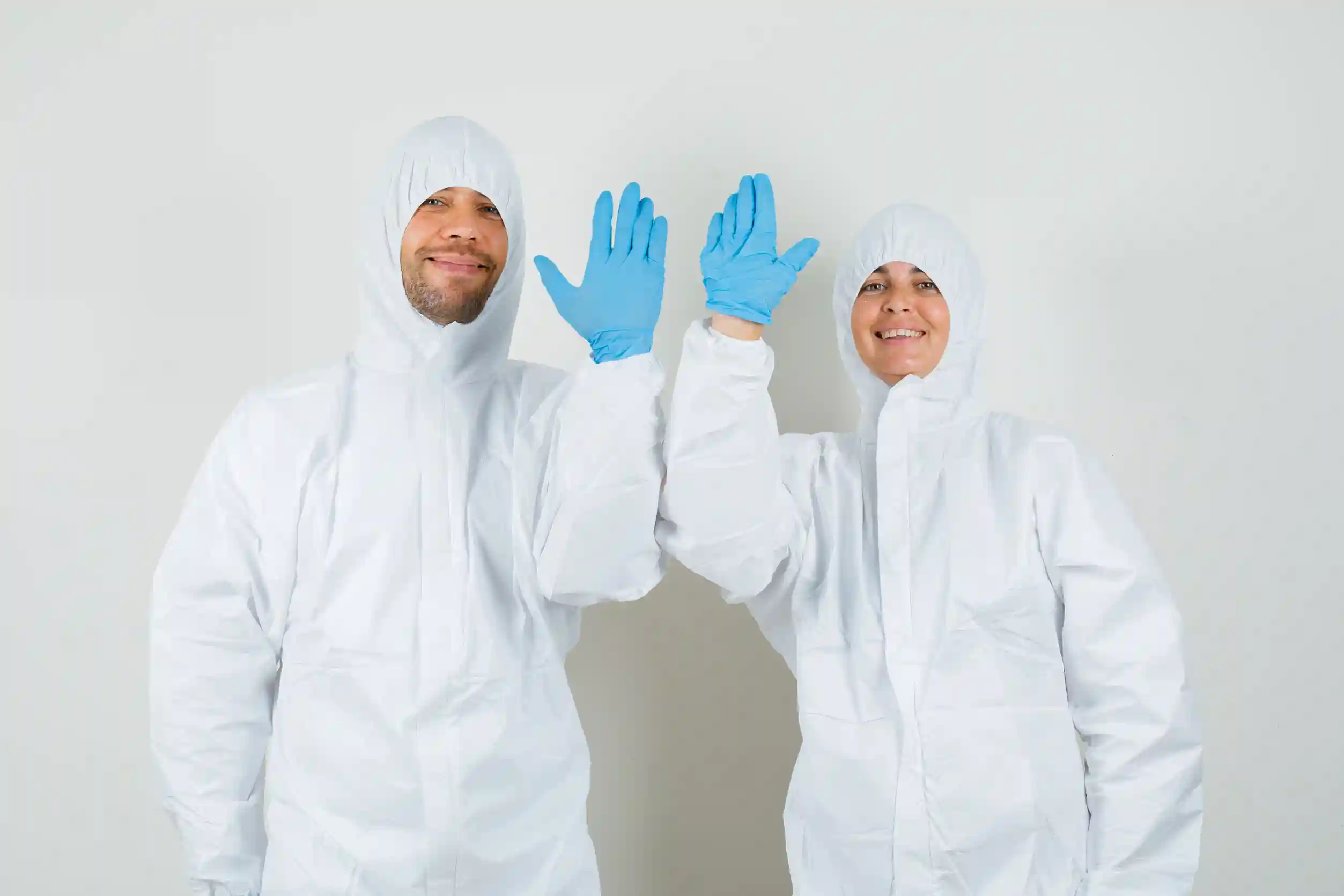
Wear waterproof gloves, boots, and coveralls to prevent direct contact.
- Respiratory Protection:
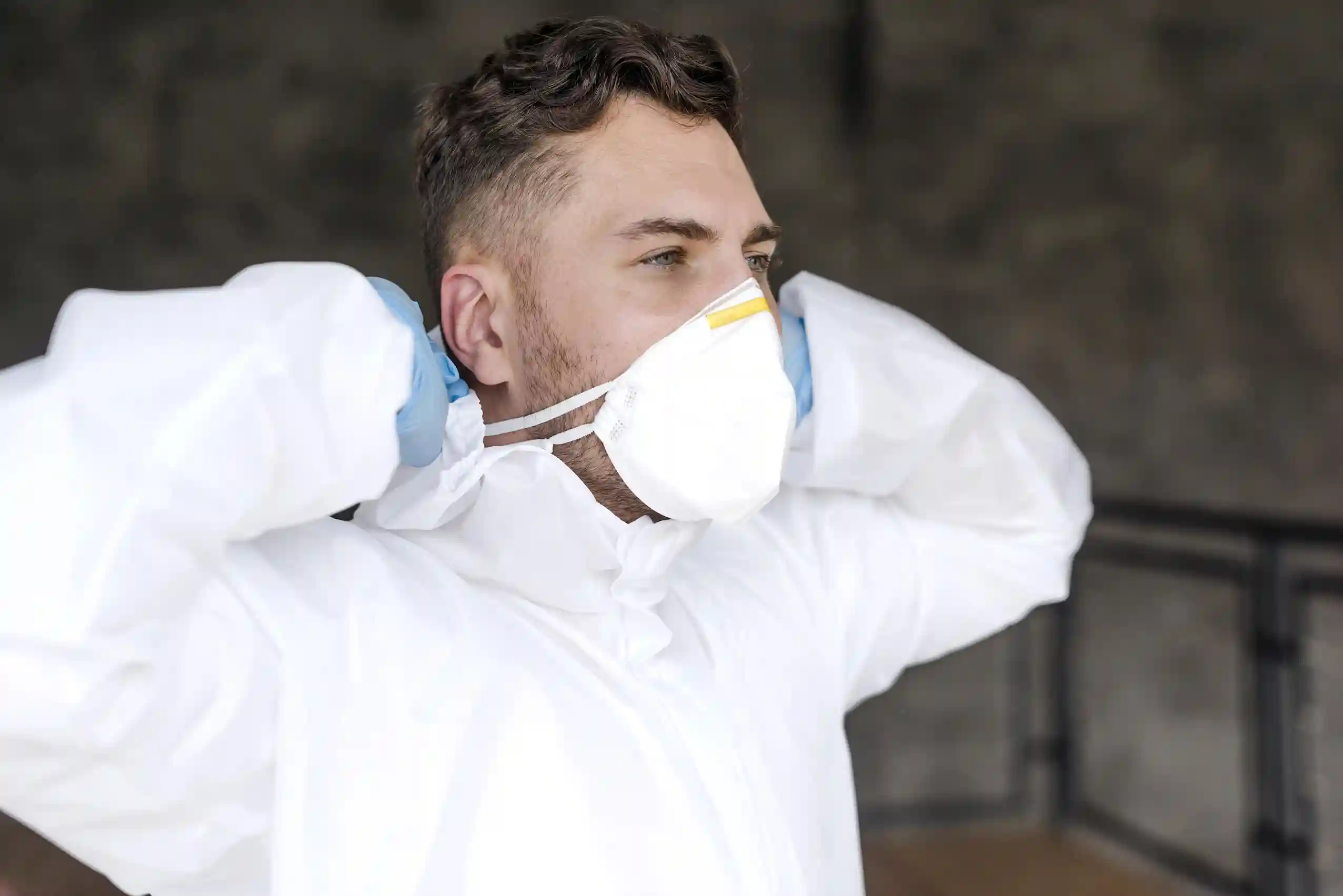
Use masks or respirators to avoid inhaling harmful gases and airborne pathogens.
- Eye Protection:
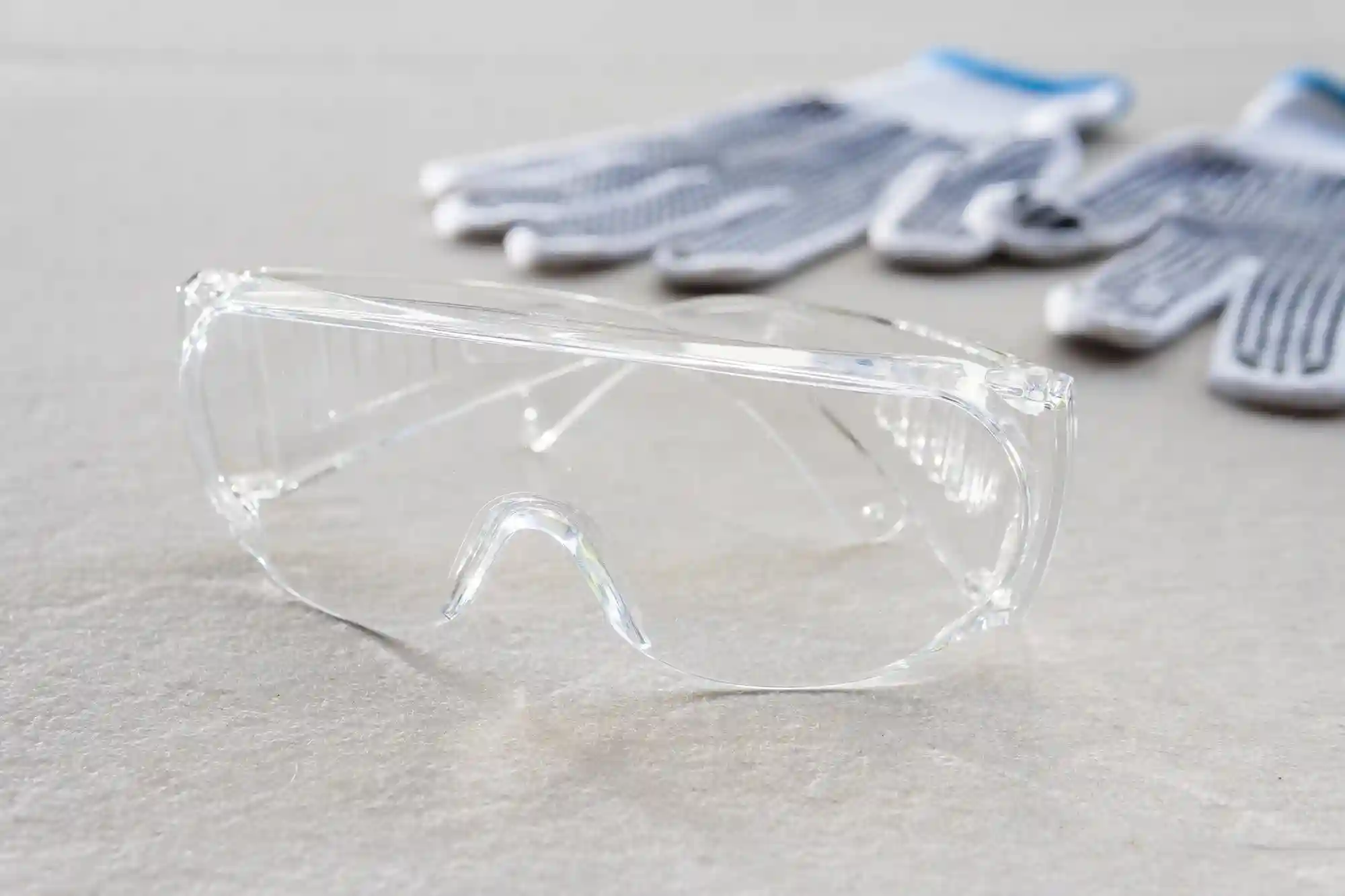
Goggles protect your eyes from splashes or irritants.
- Disinfectants: Use strong cleaning agents to sanitize affected areas thoroughly.
Even with the best equipment, DIY cleanup can be risky. For serious cases, hiring professional sewage cleaners ensures safety and thoroughness.
Why Professional Sewage Cleanup Is Essential
While it’s tempting to handle sewage cleanup yourself, the risks often outweigh the savings. Here’s why hiring professionals is the better choice:
- Expertise: Professional cleaners know how to identify and address contamination effectively.
- Specialised Equipment: Industrial-grade tools ensure a deep clean and safe removal of contaminants.
- Compliance: Professionals follow regulations for sewage disposal, protecting the environment and your community.
- Health Safety: With professionals, you avoid direct exposure to harmful substances.
Companies like Disaster Care Capital specialise in emergency sewage backup solutions, ensuring your property is restored safely and quickly.
- Sewage exposure: 5 preventive measures
- Preventive measures are better than curative measures. Here are some tips for avoiding sewage exposure:
- Keep plumbing in good condition: Inspections and routine maintenance prevent back-up and blocks.
- Set up backwater valves: During storms, these valves stop the sewer water from re-entering your home.
- Dispose waste properly: For example, one should not flush grease, wipes, or sanitary items, as these can cause clogging.
- Check septic tank: If you have a septic system, you need to pump it regularly so it doesn’t overflow.
- Promptness: At the first indication of a backup, move quickly to minimize damage and exposure.
For more information of sewage in public water visit UK governmental website
Initiate Measures to Preserve Your Health and Home
The information regarding sewage exposure-related dangers to health is real. But the risks can be lessened through the right precautions and by taking quick actions. Taking proactive steps to avoid back flows, to calling for professional cleaners, is an essential way to keep oneself safe and healthy.
Preparation+speed= a safe zone for the family.





