


A fire in any building is devastating. A fire damage to a Listed Building carries additional layers of complexity that most property owners are unprepared for and that most building contractors are simply not qualified to navigate.
Listed buildings in England are protected under the Planning (Listed Buildings and Conservation Areas) Act 1990. That protection does not pause after a fire. If anything, it intensifies, because the obligations to preserve and restore original fabric apply in exactly the same way whether damage is caused by gradual neglect or by sudden catastrophic fire. In some respects the obligations are more demanding after a fire, because the pressure to act quickly to make the building safe, to prevent further deterioration, and to satisfy insurers, must be balanced against the legal requirement not to alter or destroy protected fabric without consent.
Getting the immediate response and the subsequent restoration right matters both legally and financially. The consequences of getting it wrong — unauthorised removal of original features, demolition without consent, appointment of a contractor lacking the specialist expertise required — range from criminal prosecution to the permanent loss of irreplaceable historic material.
1. What Makes a Listed Building Different After a Fire
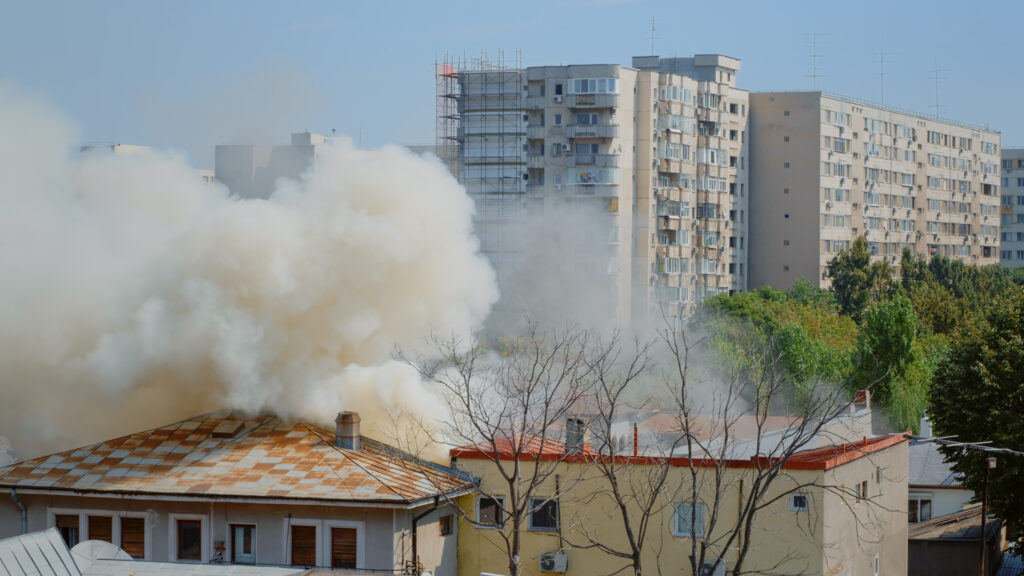
A listed building is designated because it is considered to be of special architectural or historic interest. That designation creates legal obligations that apply to every owner, regardless of how the building came to be damaged.
There are approximately 400,000 listed buildings in England, of which roughly 5.5% are Grade I (exceptional interest) and around 5.8% are Grade II* (more than special interest). The remaining 88% are Grade II — which is the most common designation and the one most London property owners with period properties are likely to encounter. All three grades carry the same core legal framework; Grade I and II* designations trigger more intensive oversight from Historic England.
What changes after a fire:
After a fire, a listed building owner faces obligations that a standard property owner does not:
- You cannot demolish any part of the listed structure — including fire-damaged sections — without listed building consent, even if a structural engineer advises that part of the structure is unsafe
- You cannot remove original features — timber frames, historic plasterwork, panelling, staircases, original tiles — even if they appear unsalvageable, without consent
- Any repairs and restoration works must use traditional materials and techniques that match the historic character of the building — you cannot substitute modern equivalents without consent
- Your local planning authority (LPA) has the right to require you to restore the building and can, in certain circumstances, serve an Urgent Works Notice requiring specific actions within a defined timeframe
This framework means that the immediate instinct to clear damaged material and start rebuilding quickly is constrained by a legal process that must run in parallel with the emergency response
2. Your Legal Obligations After Fire Damages a Listed Property
The moment a fire damages a listed building, a set of legal obligations is triggered regardless of how severe the damage is.
Notify your local planning authority. You are not legally required to notify the LPA of fire damage, but the practical reality is that any subsequent works that affect the listed fabric require consent. Proactive engagement with the council’s conservation officer from the outset is strongly advisable and is almost always more productive than attempting to proceed without it.
Make the structure safe, but document first. You have a duty to take immediate steps to prevent further deterioration of the listed fabric and to ensure the building is safe. This can include erecting scaffolding for support, weatherproofing damaged roof sections, and securing the structure against collapse. However, every action taken should be documented photographically before, during, and after, because the documentation of the pre-works condition is essential for both consent applications and insurance claims.
Do not remove original fabric without consent. This is the most frequently misunderstood obligation in the immediate aftermath of a fire. Even if plasterwork, joinery, or structural timbers are heavily charred or appear structurally compromised, they must not be removed without either listed building consent or a genuine emergency, and even emergency removals should be documented in detail and notified to the LPA as soon as possible.
Engage your insurer immediately. Most heritage and listed building insurance policies include specialist advisers who understand the consent process and the specialist restoration requirements. Your insurer should be involved from the first day, not after work has begun.
3. What Listed Building Consent Covers — and When You Need It
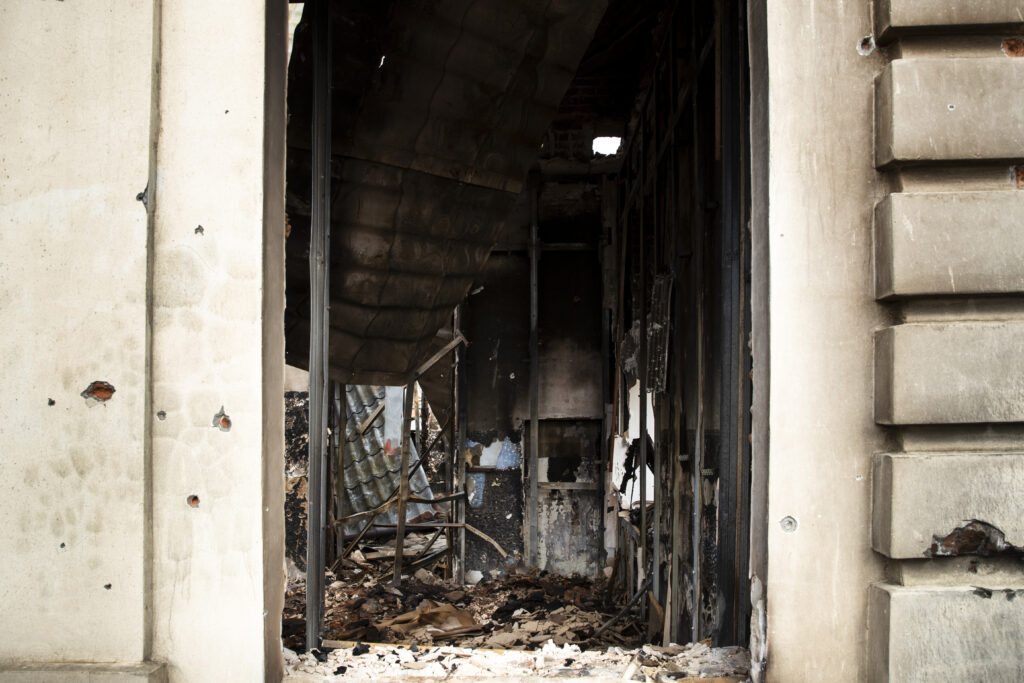
Listed building consent (LBC) is required for any works that would affect the character of a listed building in a way that is material to its special interest. After a fire, this encompasses almost all restoration and repair works.
You need listed building consent for:
- Demolition or partial demolition of any part of the listed structure — including fire-damaged sections that appear beyond repair
- Removal of original features — even damaged ones, because the original material may be repairable or replaceable using appropriate traditional methods
- Alterations to the external appearance — including roof repairs, replacement windows, repairs to historic render, and changes to historic brickwork
- Internal alterations — including replacement of original plasterwork, replacement of historic flooring, and changes to internal structural elements
You do not need listed building consent for urgent works to prevent further damage — emergency boarding, temporary roof covering, emergency structural support — but these must be genuinely urgent and must not permanently alter or destroy original fabric. They should also be notified to the LPA as soon as practicable.
Applications for LBC are submitted to the LPA and assessed by the conservation officer. They require detailed drawings and specifications of the proposed works, a heritage impact statement assessing how the proposed approach preserves the special interest of the building, and material specifications demonstrating that traditional methods and appropriate materials will be used. The process typically takes eight weeks but can take longer for complex cases or where historic significance requires more detailed assessment.
4. Can the Original Fabric Be Restored or Must It Be Replaced?
The instinct after a fire is often to replace damaged material with new. For a listed building, this instinct must be resisted wherever original fabric can be repaired — and the threshold for what counts as repairable is higher than most non-specialist contractors would assume.
What specialist restoration can achieve:
- Charred and smoke-damaged timber can frequently be stabilised, cleaned, and treated to preserve the original material. Even heavily charred beams may retain sufficient structural integrity for repair rather than replacement, with appropriate consolidants and treatment.
- Historic plasterwork — including ornate cornices, mouldings, and ceiling roses — can often be partially cleaned and restored rather than wholly replaced. Where sections must be replaced, skilled plasterers working in lime can reproduce original profiles using traditional techniques.
- Original masonry — including rubbed brickwork, historic stonework, and traditional lime mortar joints — can be cleaned, treated, and repointed. Fire-damaged masonry should not be replaced with modern brick or cement pointing without consent and specialist assessment.
- Decorative finishes — historic paint layers, traditional limewash, specialist finishes on joinery — can be analysed and reproduced even where the originals are lost, using paint analysis techniques that identify historic colour schemes and compositions.
When replacement is unavoidable:
Where original material is genuinely beyond salvage (destroyed, rather than damaged) the obligation is to replace it using traditional materials and methods that match the original as closely as possible. This requires specialist fabrication: bespoke joinery made to match original profiles, lime plaster to match original mixes, specialist masonry or brickwork sourced to match historic material. This work cannot be done by a standard building contractor.
5. Working With Conservation Officers and Your Insurer
The two most important external relationships in the restoration of a fire-damaged listed building are your local conservation officer and your heritage insurer. Getting both relationships right early in the process is essential.
Conservation officers are the council officers responsible for listed building consent decisions. They are not obstacles. In most cases, a conservation officer who is engaged early and demonstrates that the owner is committed to a sensitive, compliant restoration approach is a valuable ally. They can advise on what consent is needed, what documentation they require, and what approach to the restoration they are likely to support. Attempting to carry out works without engaging them — or presenting them with a fait accompli after works have begun — creates conflict that slows the process and may result in enforcement action.
Heritage insurers understand listed buildings and the specific cost structures that apply to authentic restoration. Standard buildings insurance policies frequently underinsure listed buildings because they are assessed on rebuild cost rather than authentic restoration cost — the cost of sourcing matching traditional materials, employing specialist craftspeople, and meeting the consent requirements. A heritage specialist insurer — with appointed loss adjusters who have listed building experience — makes a significant difference to the quality of the claim outcome.
If you have a standard policy: Standard loss adjusters are not always familiar with listed building requirements and may not automatically factor the consent process or specialist materials into their assessment. A specialist heritage surveyor acting on your behalf can substantially improve the claim outcome.
Read also- Fire Damage Restoration Services | 24/7 Emergency Response
6. Choosing a Restoration Company for Listed Building Work
This is the decision that most directly affects both the quality of the restoration and your legal compliance. Most general building contractors — including most fire restoration companies — do not have the specialist skills and experience that listed building restoration requires.
What to look for in a restoration contractor for listed building work:
- Experience with listed building consent — the contractor should understand the LBC process, work with conservation officers routinely, and be able to help you compile the required documentation and specifications
- Specialist trades on team or in network — heritage lime plastering, traditional masonry, bespoke joinery, specialist paint conservation, fire damage treatment of historic timber — these are specialist disciplines requiring artisan craftspeople, not standard tradespeople
- Familiarity with heritage insurers and loss adjusters — a contractor who regularly works on insurance-funded listed building restoration understands the documentation requirements, how to scope works for insurer approval, and how to manage the claim alongside the consent process
- BDMA accreditation for the damage management elements — the water damage from firefighting, structural drying, and contents salvage aspects of the job require BDMA-certified professionals producing the documentation your insurer requires
- References from listed building work — specifically from period and historic property owners, not general building work references
The combination of heritage specialist skills with professional damage management accreditation is narrow. Most contractors have one or the other, not both. For a listed building, you need both.
Read also- Property Restoration for Insurance Claims
Disaster Care Capital has experience restoring period properties and listed buildings across London, working alongside conservation officers and heritage insurers. Call us today for a specialist assessment.
For further reading on listed building obligations and consent, check: Historic England — listed buildings after fire
7. Protecting Contents and Heritage Items After a Fire
The contents of a listed building — period furniture, original paintings, historic artefacts, archive documents, antique textiles — often carry their own heritage significance and require specialist attention that standard contents clearance companies cannot provide.
Immediate priority after a fire for heritage contents:
- Do not discard anything. Even items that appear destroyed may be restorable. Specialist conservators can achieve results with fire and smoke-damaged materials that general contractors would regard as irretrievable.
- Control temperature and humidity. Fluctuating humidity after a fire actively degrades many heritage materials. Maintaining stable environmental conditions — with industrial dehumidification — protects items from secondary damage while conservation assessment takes place.
- Document everything in situ. Before any item is moved, photograph it in its position with surrounding context. This record is essential for insurance purposes and for the cultural documentation of the building’s contents.
- Engage a specialist conservator for heritage items. Paintings, textiles, furniture, ceramics, silver, and archive materials all have specialist conservation pathways. Moving them to appropriate storage conditions, stabilising them against further deterioration, and assessing their restoration potential requires specialist assessment — not standard contents removal.
Smoke damage to contents: Smoke penetrates deeply into porous materials — upholstery, timber, book pages, textile fibres. Professional smoke damage treatment for heritage contents uses ultrasonic cleaning, specialist chemical treatments, and controlled environment drying that standard contents restoration companies do not offer. The difference in salvage rates between specialist and non-specialist treatment is very significant.
For planning guidance on listed building consent, check: GOV.UK — listed buildings
Conclusion
Fire damage to a listed building is a complex emergency that requires specialist response from the first minutes after the incident. The legal obligations to preserve the original fabric, obtain listed building consent before carrying out works, and restore using traditional materials and methods, do not pause because of the urgency. They run in parallel with it.
The most common and most damaging mistakes are: removing original fabric without consent in the belief it is beyond saving; appointing a standard building contractor who lacks listed building experience; and failing to engage the conservation officer and heritage insurer early enough in the process.
A specialist restoration company with listed building experience, heritage insurer relationships, and BDMA-certified damage management capability is the only appointment that covers every element of what a fire in a listed building requires. Disaster Care Capital provides that combination across London.
Frequently Asked Questions
Do I need listed building consent to restore fire damage?
Yes. Almost all restoration and repair works following fire damage to a listed building require listed building consent, including the removal of damaged original features and their replacement. Emergency works to prevent further deterioration are permitted without consent but must be notified to the local planning authority as soon as possible.
Who do I contact after a fire in a listed building?
Contact the emergency services first, then your insurer immediately, then your local planning authority’s conservation officer. All three relationships should be established within the first 24 hours. Do not commission any works beyond emergency stabilisation before you have spoken with both your insurer and the conservation officer.
Will insurance cover full restoration of a listed building?
It depends significantly on your policy. Standard buildings insurance frequently underinsures listed buildings because it is based on standard rebuild costs rather than authentic restoration costs, which are substantially higher. A specialist heritage insurer with appropriate rebuild valuation will cover full authentic restoration including consent costs, specialist materials, and skilled craftspeople. Review your policy before you need to make a claim.





