


Storms in the UK can wreak havoc on homes, and your roof is often the first line of defense. Unfortunately, it’s also one of the most vulnerable parts of your property.
Emergency roof repairs after storms are crucial to minimize damage and protect your home from further issues like water leaks, structural weakening, and mould growth.
If you’re dealing with a storm-damaged roof, this guide will help you navigate the repair process, from identifying problems to deciding whether to repair or replace. Let’s begin…
Why Roofs Are Vulnerable to Storm Damage
Your roof endures a lot—from heavy rain and high winds to falling debris and hail. Here’s why it’s so susceptible to storm damage:
- Age of the Roof: Older roofs are more likely to have weak spots that storms can exploit.
- Poor Maintenance: Lack of regular upkeep can lead to loose shingles, damaged flashing, or clogged gutters. Read more on seasonal maintenance tips
- Extreme Weather: High winds can lift shingles, while heavy rain can seep through existing cracks.
- Falling Debris: Branches or other objects can puncture or crack roofing materials.
Understanding these vulnerabilities can help you take preventative measures and act quickly after a storm.
5 Steps for Emergency Roof Repairs
After a storm has caused damage to your roof, you need to take emergency actions immediately. Here’s what you need to do:
- Evaluate the Damages Safely: Use binoculars from the ground and assess if there are any missing materials or areas that sag. Do not climb onto the roof yourself.
- Make the Area Safe: Pick up any hazards around your home, such as fallen branches or broken gutters.
- Put Up an Emergency Roof Tarp: Waterproof tarp covering of the affected area prevents leaking while you await a professional repair.
- Photograph Evidence of Damage: Take pictures of the roof damage for insurance purposes.
- Call in Professionals: Contact a roofing specialist so he or she can come in and assess the damage and begin the repairs as soon as possible.
- Act quickly, and it will help you avoid complications while keeping your home safe.
Readd: All what you need to know about storm damage
How to Install Tarps for Temporary Roof Protection
Tarping a roof is a temporary but vital step to protect your home from leaks and further damage. Here’s how to do it:
- Gather Supplies: Heavy-duty tarp, roofing nails or screws, and wooden planks will be required.
- Position Tarp: Place the tarp over the damaged area while ensuring that it exceeds the edges to prevent water leakage.
- Secure Borders: Tighten tarps on the roof using wooden planks and any fastener.
- Check for Gaps: Make sure the tarp is well-taut and there are no gaps for water to pass through.
- Though an individual task, it would be safer in severe weather to leave this to the professionals.
5 Key Signs Your Roof Needs Repair or Replacement
After a storm, it’s essential to evaluate whether your roof needs repairs or a full replacement. Look out for these signs:
1. Missing or Damaged Shingles
Cracked, curled, or missing shingles leave your roof exposed to further damage.
2. Sagging Roof:
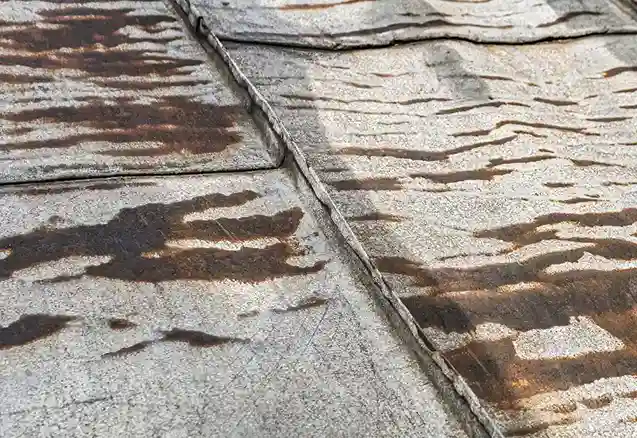
This indicates structural issues that require immediate attention.
3. Water Leaks Inside: Water stains or dripping inside your home often point to roof leaks.
Check out also: what to do when Water leaks in walls
- Granule Loss: Check your gutters for shingle granules, indicating that the protective layer on your roof is wearing thin.
- Excessive Damage: Big holes or widespread damage are probably indications that a full roof replacement may be required.
The best way to approach the health of your roof is to consult with a roof and specialist.
Check also our advanced water removal services
Common Roofing Materials Suitable for UK Homes
Choosing the right roofing material can enhance durability and storm resistance. Here are some common options for UK homes:
- Asphalt Shingles: Affordable and widely used, but may not withstand severe storms well.
- Slate Tiles: Durable and long-lasting, but heavier and more expensive.
- Metal Roofing: Lightweight and highly resistant to wind and rain, ideal for storm-prone areas.
- Clay or Concrete Tiles: Attractive and durable but require strong support due to their weight.
- Flat Roofing Materials: Popular for extensions, but ensure proper drainage to avoid pooling water.
Selecting a material that suits your budget, climate, and style can improve your roof’s resilience.
Hiring Professional Roof Restoration Services
While minor repairs might seem manageable, storm-damaged roofs often require professional expertise. Here’s why:
- Safety: Roofing experts have the equipment and training to assess and repair damage safely.
- Efficiency: Professionals can quickly identify problems and provide effective solutions.
- Insurance Assistance: Many companies work with insurance providers, simplifying your claims process. For more info on property restoration for insurance claims check our article.
- Guaranteed Workmanship: Professional repairs often come with warranties for peace of mind.
At Disaster Care Capital– we specialize in emergency roof repairs after storms, ensuring your home is protected and restored quickly.
5 Tips to Prevent Roof Leaks After Storms
Preventing roof leaks starts with regular maintenance and preparation:
- Check Your Roof Regularly: Inspect for loose shingles, cracked areas, or indications of being worn out.
- Clean Gutters and Downspouts: Make sure the water flows away from your home to save it from puddling.
- Trim Overhanging Branches: This would mean the risk of falling debris during storms is very little.
- Use Storm-Resistant Materials: Upgrading the roof with long-lasting materials can cut down on future damage.
- Check
- Schedule Professional Inspections: A roofing expert can spot potential problems before they become big issues.
For more info check our article on ceiling leaks
Taking these precautions can save you from costly repairs and stress during storm season.
NEED HELP?





