


If you have ever switched on a dehumidifier and noticed the room feeling slightly warmer, you are not imagining things. One of the most common questions we hear at Disaster Care Capital is: does a dehumidifier heat a room?
This question usually comes from homeowners dealing with damp walls, condensation, or flood damage who want to understand how their equipment works — and whether it is adding to their energy costs.
The short answer is yes, a dehumidifier can heat a room slightly. However, the full explanation is more interesting and important, especially if you want to dry your property efficiently and prevent mould returning.
In this detailed guide, we explain:
- How dehumidifiers generate heat
- Why slight warming improves drying
- Whether they can replace heating systems
- How temperature affects moisture removal
- Common mistakes that waste energy
- Best practices used by professionals
By the end, you will understand exactly why dehumidifiers warm the air and how to use that to your advantage.
Why This Question Matters

When dealing with damp problems, many homeowners focus solely on moisture levels. But temperature and humidity work together.
If you misunderstand how your dehumidifier behaves, you may:
- Use the wrong machine
- Run it inefficiently
- Increase electricity costs
- Slow down drying times
Understanding whether a dehumidifier heats a room helps you optimise performance and avoid costly errors.
How a Dehumidifier Works
Most UK homes use refrigerant (compressor-based) dehumidifiers.
The process is simple:
- Moist air enters the machine.
- Air passes over the cold evaporator coils.
- Moisture condenses into water and is collected.
- The air then passes over the warm condenser coils.
- Dry air is released back into the room.
This final reheating step explains why room temperature rises slightly.
So, Does a Dehumidifier Heat a Room?
Yes — but only a little.
Most machines increase room temperature by around 1–2°C during continuous operation.
The heat comes from:
- Compressor operation
- Electrical components
- Reheating phase within the system
This is a normal and intentional part of how refrigerant dehumidifiers function.
Why the Heat Is Actually Beneficial
Many people worry that warming the room means higher energy consumption or discomfort. In reality, the slight heat output is helpful.
Warm Air Holds More Moisture
The warmer the air, the more moisture it can absorb.
This means:
- Damp surfaces evaporate faster
- Walls and floors dry more thoroughly
- Moisture enters the air where the dehumidifier can remove it
This principle is fundamental in professional drying strategies.
Real-Life Example: Flood Recovery Project
Following severe water damage in a London property, a homeowner asked if the equipment was overheating the room.
Temperature increased by approximately 1.5°C over two days while humidity dropped from 85% to 50%.
The slight warming accelerated evaporation from saturated plaster, allowing the property to dry safely in under a week.
Without this process, drying could have taken much longer.
Can a Dehumidifier Replace Heating?
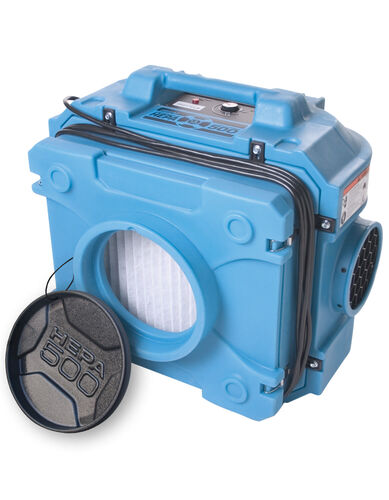
No. Although it heats the room slightly, a dehumidifier is not a heating appliance.
It cannot:
- Maintain comfortable winter temperatures
- Replace central heating
- Warm large spaces effectively
However, lower humidity often makes rooms feel warmer.
Why?
- Dry air heats more efficiently
- Reduced moisture lowers heat loss sensations
- Condensation on cold surfaces decreases
So while it does not function as a heater, it can improve thermal comfort indirectly.
Does Heat Output Increase Energy Bills?
This depends on how the machine is used.
Proper use:
- Speeds up drying
- Reduces overall runtime
- Minimises energy waste
Improper use:
- Running in open rooms
- Using incorrect humidity settings
- Choosing undersized equipment
… leads to longer operation and higher costs.
In many cases, a powerful machine running for fewer days is more efficient than a small unit running continuously for weeks.
Desiccant vs Refrigerant Dehumidifiers
Understanding the machine type helps explain temperature effects.
Refrigerant Dehumidifiers
These are the most common units, producing a mild heating effect and performing best in moderate temperatures.
Desiccant Dehumidifiers
These units use moisture-absorbing materials, produce noticeably warmer air, and are effective in cold environments.
In winter flood recovery projects, desiccant units are often preferred because their warm airflow improves evaporation in cold properties.
Common Mistakes That Increase Heating Effects
1. Sealing Rooms Too Tightly Without Monitoring
While windows should remain closed during operation, some users overheat rooms unintentionally by combining excessive heating with dehumidification.
2. Setting Humidity Too Low
Trying to achieve 30% humidity unnecessarily prolongs runtime and heat production.
3. Using Units in Very Small Spaces
Heat becomes more noticeable in compact rooms.
Why Professionals Combine Heat and Dehumidification
In commercial drying, slight heat is intentionally used alongside dehumidifiers.
The process works like this:
- Heat encourages evaporation
- Moisture enters air
- Dehumidifier removes moisture
- Air becomes progressively drier
This controlled cycle is far more effective than simply heating a damp room without moisture extraction.
Does a Dehumidifier Heat a Room in Summer?
Yes — but the effect is usually minimal.
In warm weather:
- Lower humidity often outweighs slight heating
- Air feels more comfortable despite the temperature increase
- Sticky conditions improve rapidly
Many users report greater comfort even though the temperature technically rises.
Signs You Need Dehumidification Rather Than Heating
Look for:
- Morning condensation on windows
- Musty odours
- Peeling wallpaper
- Black mould spots
- Damp patches that don’t dry
These indicate moisture problems rather than low temperature.
Read also- Can Dehumidifiers Help in Restoration
Energy Efficiency Tips
To reduce unnecessary heating and improve efficiency:
- Keep windows and external doors closed
- Use humidistat settings (45–55%)
- Position units centrally
- Maintain filters regularly
- Use correctly sized machines
Rental vs Buying: Efficiency Considerations
Many homeowners buy small domestic units hoping to save money.
However:
- Small machines run longer
- Drying takes weeks instead of days
- Energy use increases over time
Heavy-duty rental machines:
- Extract more moisture per hour
- Finish jobs faster
- Reduce overall energy consumption
Professional guidance also ensures correct setup from the start.
The Link Between Heat, Humidity and Mould Prevention
Mould thrives in damp, humid environments.
By slightly warming and drying the room, dehumidifiers:
- Lower relative humidity
- Prevent condensation
- Reduce mould risk significantly
This is why they are essential in post-leak restoration projects.
Summary: Does a Dehumidifier Heat a Room?
Yes — a dehumidifier does heat a room slightly, usually by around 1–2°C.
This mild warming is a natural result of the moisture removal process and actually improves drying performance.
Rather than being a drawback, the gentle heat helps:
- Speed evaporation
- Reduce drying times
- Prevent long-term damp damage
Understanding this helps you use the machine correctly and avoid wasted energy.
At Disaster Care Capital, we use professional heavy-duty dehumidifiers daily to restore properties efficiently after floods and moisture damage.
Frequently Asked Questions
Does a dehumidifier heat a room significantly? No, only slightly — typically around 1–2°C.
Is the heat output normal? Yes, it is part of normal operation.
Can it replace central heating? No.
Why does my room feel warmer? Reduced humidity improves comfort and heat retention.
Do all dehumidifiers produce heat? Most do, especially refrigerant and desiccant models.
Is heat helpful during drying? Yes — warm air improves evaporation.
Should heating be on while using a dehumidifier? Moderate heating can improve efficiency.
Does heat increase running costs? Not significantly when the unit is used correctly.
Can I run a dehumidifier overnight? Yes, provided it is safely positioned.
Will it stop mould returning? Lower humidity greatly reduces mould growth risk.





