


When disaster strikes, the aftermath can be overwhelming. Floods, fires, mould growth, and other calamities can cause extensive damage to properties, leaving homeowners and businesses scrambling to restore their premises to their pre-damage condition.
Disaster restoration services are crucial in these situations, providing professional expertise to mitigate damage and restore properties efficiently.
All about Disaster Restoration Services
In this guide, we will explore various aspects of disaster restoration services, including flood restoration, mould remediation, textiles and clothes restoration, dehumidifier hire, contents restoration, leak detection, moisture surveys, odour removal, sewage contamination cleaning, smoke and water damage rug restoration, and contents packing, removal, and storage. We’ll also touch on fire damage restoration, particularly in London.
What is Flood Restoration?
Floods can be devastating, causing significant damage to structures, belongings, and the overall integrity of properties. Flood restoration services London involve several critical steps to ensure complete recovery:
- Assessment and Inspection: Professionals begin by assessing the extent of the damage and formulating a restoration plan.
- Water Extraction: Removing standing water is the first step in preventing further damage and mould growth.
- Drying and Dehumidification: Using industrial-grade dehumidifiers and air movers, technicians thoroughly dry affected areas to prevent mould and structural damage.
- Cleaning and Sanitising: Surfaces and belongings are cleaned and sanitised to remove contaminants.
- Restoration: Finally, any necessary repairs or replacements are carried out to restore the property to its pre-flood condition.
How Dangerous is Mould from Water Damage?
Mould growth is a common consequence of water damage and can pose serious health risks. Understanding how dangerous mould is from water damage is crucial for proper remediation. Mould remediation involves:
- Containment: Preventing the spread of mould spores to unaffected areas.
- Air Filtration: Using specialised equipment to remove mould spores from the air.
- Removing Mould-Infested Materials: Disposing of porous materials like drywall and insulation that cannot be effectively cleaned.
- Cleaning and Sanitising: Using antifungal and antimicrobial treatments to clean surfaces and prevent future mould growth.
- Restoration: Repairing or replacing damaged materials to restore the property.
Restoring Textiles and Clothes
Textiles and clothes can suffer significant damage in disasters. Restoration services for textiles include:
- Assessment: Evaluating the extent of damage to determine if items can be restored.
- Cleaning: Using specialised cleaning methods to remove stains, odours, and contaminants.
- Restoration: Repairing any damage to textiles, such as tears or discolouration.
Why Hire Dehumidifiers?
Dehumidifiers are essential for effective drying in water-damaged properties. Dehumidifiers hire allows for:
- Efficient Drying: Reducing humidity levels quickly to prevent mould growth and structural damage.
- Cost-Effectiveness: Providing a temporary solution without the need for a significant upfront investment.
Salvaging Your Belongings with Contents Restoration
Contents restoration focuses on salvaging and restoring personal belongings affected by disasters:
- Assessment and Inventory: Documenting and assessing the damage to personal items.
- Cleaning and Restoration: Using specialised techniques to clean and restore items like furniture, electronics, and documents.
- Storage: Providing secure storage for restored items until the property is ready for their return.
Detecting Hidden Leaks
Undetected leaks can cause extensive damage over time. Leak detection services involve:
- Inspection: Using advanced technology to locate hidden leaks in plumbing, roofs, and foundations.
- Repair: Fixing the identified leaks to prevent further damage.
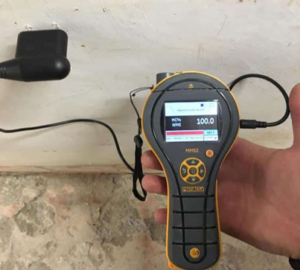
Conducting Moisture Surveys
Moisture surveys are essential in identifying areas of excessive moisture that could lead to mould growth and structural damage:
- Inspection: Using moisture metres and thermal imaging to detect areas of concern.
- Reporting: Providing a detailed report with findings and recommendations for remediation.
 .

Removing Odours
Odours from mould, smoke, or sewage can linger long after the visible damage is addressed. Odour removal involves:
- Assessment: Identifying the source of the odour.
- Cleaning and Deodorising: Using specialised equipment and treatments to eliminate odours at the source.
- Air Purification: Using air scrubbers and ozone machines to remove airborne contaminants.
Cleaning Sewage Contamination
Sewage backups are hazardous and require immediate attention. Sewage contamination cleaning includes:
- Containment and Safety: Isolating the affected area and ensuring proper protective measures are taken.
- Removal and Disposal: Safely removing sewage and contaminated materials.
- Cleaning and Disinfecting: Thoroughly cleaning and disinfecting the area to remove harmful pathogens.
Restoring Smoke and Water Damaged Rugs
Rugs can suffer from smoke and water damage in disasters. Smoke and water damage rug restoration services include:
- Assessment: Evaluating the extent of damage.
- Cleaning: Using specialised techniques to remove smoke particles and water stains.
- Restoration: Repairing any damage, such as reweaving or dyeing.
Packing, Removing, and Storing Contents
During restoration, it’s often necessary to pack, remove, and store contents safely:
- Packing: Carefully packing items to prevent further damage.
- Removal: Transporting items to a secure storage facility.
- Storage: Providing climate-controlled storage until the property is ready for items to be returned.
Fire Damage Restoration London
Fire damage restoration London involves:
- Assessment and Inspection: Evaluating the extent of fire, smoke, and soot damage.
- Board-Up and Roof-Tarp Services: Protecting the property from further damage during restoration.
- Water Removal and Drying: Addressing water damage from firefighting efforts.
- Smoke and Soot Removal: Cleaning surfaces and belongings to remove smoke and soot residues.
- Cleaning and Sanitising: Using specialised equipment and techniques to clean and deodorise the property.
- Restoration: Repairing structural damage and restoring the property to its pre-fire condition.
Disaster restoration services play a crucial role in helping property owners recover from catastrophic events. Whether it’s flood restoration services London or fire damage restoration London, professional services ensure that properties are restored efficiently and effectively.
By understanding the various aspects of disaster restoration, homeowners and businesses can be better prepared to respond to and recover from disasters, ensuring a swift return to normalcy.
Trusting professionals with the expertise, equipment, and commitment to excellence is the best way to navigate the challenges of property restoration.
For those in need of immediate assistance, emergency flood damage restoration services are available to tackle urgent situations swiftly.
Trained fire and flood technicians are on hand to provide comprehensive solutions, ensuring that every aspect of the restoration process is managed with care and professionalism.
You might want to know what to do about mold until help arrives?
View the EPA’s guide on water damage tips





