


If you’ve ever noticed condensation streaming down your windows, peeling paint in the bathroom, or dry air irritating your throat in winter, you’ve probably wondered what the difference is between a dehumidifier and a humidifier.
It’s a question many UK homeowners ask — especially when faced with damp smells, mould growth, or uncomfortable indoor air. Choosing the wrong device can waste money, worsen moisture problems, and even lead to structural damage.
At Disaster Care Capital, we regularly attend properties suffering from excess moisture, mould outbreaks and long-term damp deterioration. In many cases, the root issue is misunderstood humidity control.
This guide will clearly explain:
- What’s the difference between a dehumidifier and a humidifier
- When you should use each
- How humidity affects your property
- Which solution prevents mould and condensation
- When professional intervention is required
Let’s break it down properly.
Understanding Indoor Humidity First
Before answering the question, we need to understand humidity itself.
Humidity refers to the amount of moisture in the air. In UK homes, the ideal indoor relative humidity level is generally between 40% and 60%.
This is because air below 40% becomes too dry, while air humidity above 60% leads to condensation and an increase in mould risk.
According to guidance from the NHS, overly dry air can irritate airways and skin, while excess moisture creates conditions for mould growth, which can trigger respiratory issues.
Excess moisture doesn’t just affect health — it damages property. Timber swells. Plaster weakens. Paint blisters. Carpets develop odours.
This is where dehumidifiers and humidifiers come in.
What Is a Dehumidifier?
A dehumidifier removes moisture from the air.
It works by drawing in humid air, extracting water vapour (usually through condensation or desiccant technology), and releasing drier air back into the room.
Dehumidifiers Are Used For:
- Window condensation
- Damp patches on walls
- Musty smells
- Mould growth
- Basement humidity
- Flood recovery drying
In properties we restore, dehumidifiers are essential equipment after water damage incidents.
For more technical information about how dehumidifiers operate, for more info check: https://www.energy.gov/energysaver/dehumidifiers
What Is a Humidifier?
A humidifier adds moisture to the air.
It releases water vapour or mist into dry environments to increase indoor humidity levels.
Humidifiers Are Used to Combat:
- Dry skin and irritated sinuses
- Static electricity
- Cracked wooden furniture due to dryness
- Overly dry winter air caused by heating systems
In the UK climate, humidifiers are far less commonly required than dehumidifiers — except in very dry centrally heated homes during cold spells.
What’s the Difference Between a Dehumidifier and a Humidifier?
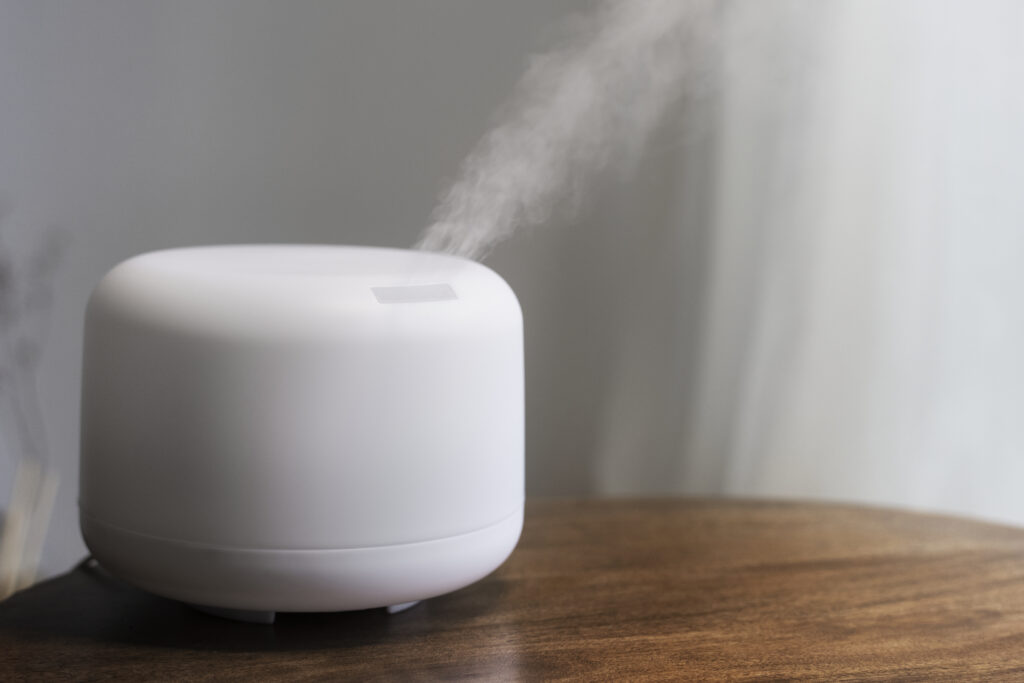
Now to the core question: what’s the difference between a dehumidifier and a humidifier?
The fundamental difference is direction:
- A dehumidifier reduces humidity
- A humidifier increases humidity
Using the wrong one can make your problem worse.
When Should You Use a Dehumidifier?
If you are seeing:
- Water droplets on windows
- Black mould in corners
- Peeling wallpaper
- Damp smells in wardrobes
- Condensation on cold surfaces
You almost certainly need a dehumidifier — not a humidifier.
The British Lung Foundation highlights that mould spores thrive in damp environments and can significantly impact respiratory health.
In restoration work, we often find homeowners mistakenly running humidifiers in already damp homes — unintentionally feeding mould growth.
When Should You Use a Humidifier?
You may benefit from a humidifier if:
- Your home feels uncomfortably dry in winter
- You experience frequent dry throats
- Wooden furniture shrinks or cracks
- Static shocks increase
However, in most UK properties, especially older housing stock with limited ventilation, excess moisture is the far more common issue.
The Real Problem: Condensation vs Structural Damp
Many homeowners confuse condensation with penetrating damp or rising damp.
A dehumidifier helps with:
- Lifestyle condensation (cooking, showering, drying clothes indoors)
It does NOT fix:
- Leaking roofs
- Failing damp proof courses
- Plumbing leaks
If moisture keeps returning, the underlying source must be addressed.
At Disaster Care Capital, we frequently attend properties where temporary dehumidifier use masked a much larger water ingress problem.
Can a Dehumidifier Prevent Mould?
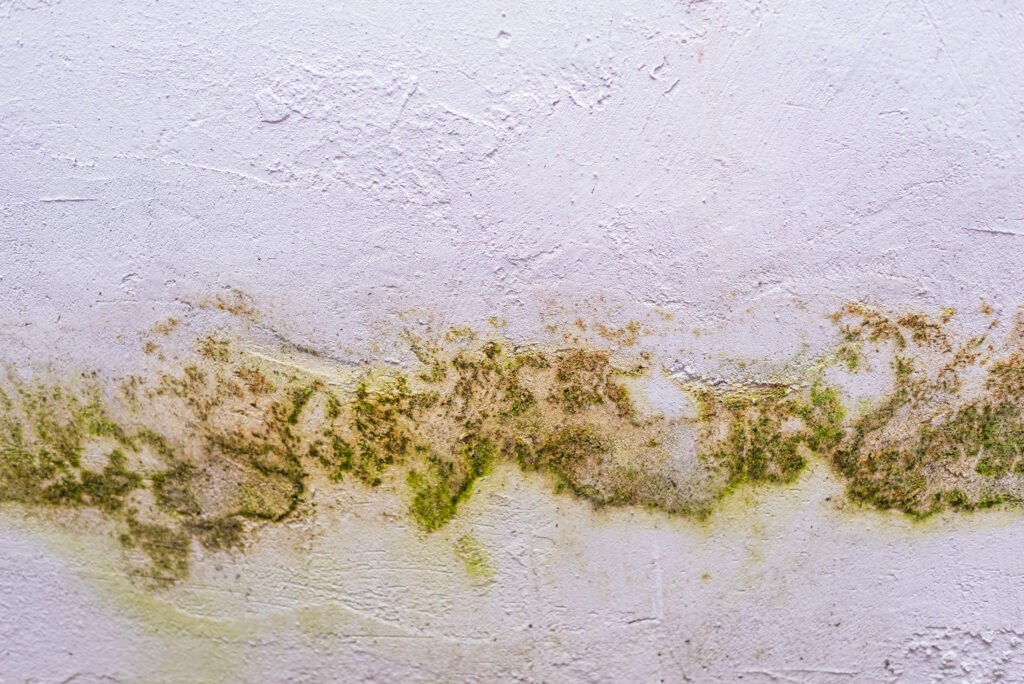
Yes — but only if moisture levels are controlled early.
Mould needs:
- Moisture
- Organic material
- Stagnant air
By removing excess humidity, dehumidifiers break one part of that cycle.
However, once mould colonies establish inside plasterboard or insulation, professional remediation may be required.
Energy Costs: Which Uses More Electricity?
Dehumidifiers typically consume more power than humidifiers because they use compressors or heating elements.
However, they can:
- Reduce heating bills (drier air warms more efficiently)
- Prevent costly structural repairs
- Protect insulation performance
The long-term savings often outweigh running costs.
Health Considerations
Understanding what’s the difference between a dehumidifier and a humidifier is particularly important for health.
Too much humidity:
- Encourages dust mites
- Promotes mould
- Triggers asthma
Too little humidity:
- Irritates respiratory passages
- Causes dry skin
- Worsens eczema
Balance is key.
What Happens If You Choose the Wrong One?
Using a humidifier in a damp property can:
- Increase mould growth
- Damage plaster
- Create condensation on windows
- Lead to hidden structural decay
Using a dehumidifier in already dry conditions can:
- Cause dry air discomfort
- Increase static electricity
The solution is to measure humidity levels with a hygrometer before making a decision.
Read also- how much does damp devalue a house
Real Example from UK Homes
We recently attended a London flat where occupants believed dry air was causing discomfort. They installed a humidifier. Within three months:
- Window condensation worsened
- Black mould formed behind wardrobes
- Timber skirting boards began swelling
Humidity readings were above 75%.
They needed a dehumidifier — and professional mould treatment.
When a Dehumidifier Isn’t Enough
If you experience:
- Persistent damp patches
- Repeated mould return
- Water staining on ceilings
- Warped flooring
You may be dealing with structural water ingress.
Temporary moisture removal devices cannot resolve:
- Burst pipes
- Flood damage
- Hidden cavity wall moisture
Professional drying equipment and moisture mapping may be required.
Read also- Can Dehumidifiers Help in Restoration
Final Thoughts
To summarise clearly:
A dehumidifier removes moisture from the air to prevent damp, condensation and mould.
A humidifier adds moisture to dry air to improve comfort in low-humidity environments.
Understanding what’s the difference between a dehumidifier and a humidifier protects your health, your comfort, and most importantly — your property.
If you’re unsure which solution is right, measuring humidity levels is the first step. If moisture problems persist, professional assessment can prevent long-term structural damage.
At Disaster Care Capital, we help homeowners not just manage symptoms — but solve moisture problems at their source.
FAQs
1. What’s the difference between a dehumidifier and a humidifier in winter?
In UK winters, most homes suffer from excess condensation rather than dry air. A dehumidifier is usually more appropriate unless humidity levels fall below 40%.
2. Can a humidifier cause mould?
Yes. If used in an already damp property, a humidifier can increase moisture levels and encourage mould growth.
3. Do I need a dehumidifier if I open windows daily?
Ventilation helps, but in poorly insulated or high-moisture homes, a dehumidifier may still be necessary to maintain safe humidity levels.





