


Refers to the process of removing or neutralizing hazardous materials and contaminants from a property ensuring safety and health.
This process is crucial after incidents like biological hazards, chemical spills, mould infestations, or release of other harmful substances.
At Disaster Care Capital we prioritize safety and efficacy in our decontamination efforts.
Here’s a closer look at the three levels of decontamination and where each is most useful.
The 3 levels of Decontamination Process
Level 1: Cleaning
The first level of decontamination process steps involves basic cleaning techniques aimed at removing dirt, debris, and contaminants from surfaces. This level is essential in preparing an area for more advanced treatment.
Methods:
- Surface Cleaning: Utilising soap and water or commercial cleaning solutions to scrub surfaces.
- Vacuuming: Using HEPA vacuums to capture dust and allergens.
Uses:
Level 1 cleaning is beneficial in situations where contamination is minor. It’s often used in residential settings after minor spills or routine maintenance to maintain hygiene and cleanliness, and typically represents the first step in the 3 stages of decontamination, focusing on basic cleaning and surface hygiene.
Level 2: Disinfection
The second level of decontamination focuses on killing pathogens, including bacteria and viruses, to ensure a safer environment. This is a critical step in areas at risk of infection or illness.
Methods:
- Chemical Disinfectants: Applying EPA-approved disinfectants to surfaces.
- Fogging: Using a fogging machine to disperse disinfectants in the air, reaching difficult-to-access areas.
Uses:
Level 2 disinfection is particularly useful in healthcare facilities, schools, and commercial spaces, especially after outbreaks of illnesses or in areas exposed to biohazards.
Level 3: Sterilisation
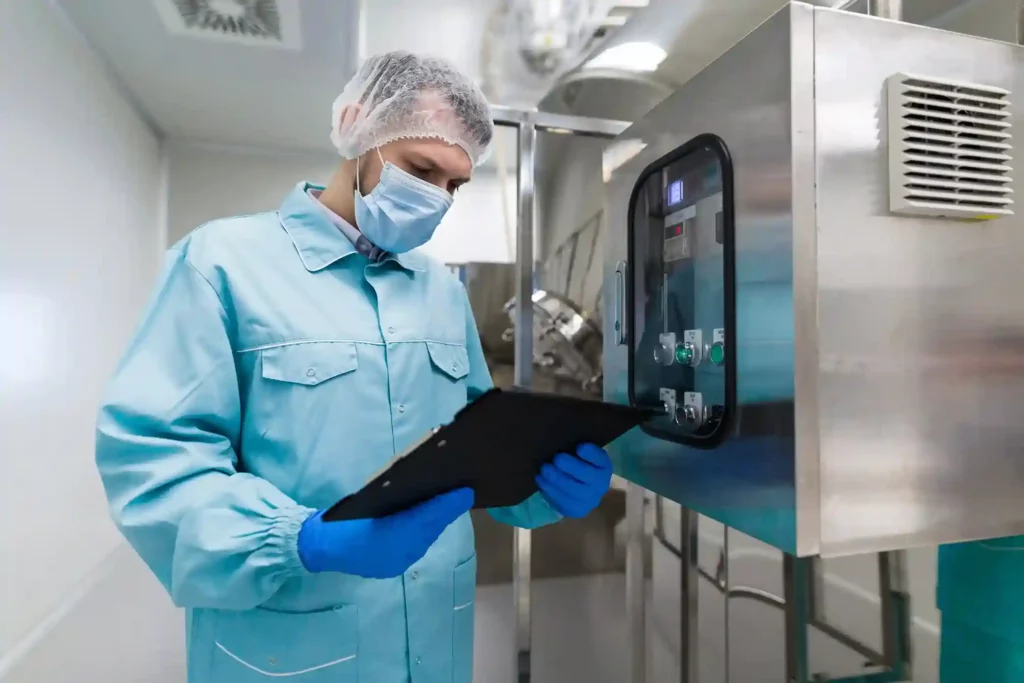 The highest level of decontamination is sterilisation–which aims to eliminate all forms of microbial life, including spores. This level is crucial in environments requiring the highest hygiene standards.
Methods:
- Heat Sterilisation: Using autoclaves or steam sterilization for tools and equipment.
- Chemical Sterilants: Utilizing strong chemical agents capable of killing resistant spores.
Uses:
Level 3 sterilisation is necessary in medical facilities, laboratories, and food processing plants where absolute cleanliness is paramount to prevent infections or contamination.
Do You Need a Decontamination Assessment?
Common Applications of Decontamination Process
Decontamination is essential across a wide range of environments to ensure health, safety, and hygiene standards are maintained. Below are some of the most common applications:
- Healthcare Facilities – Used to sterilise medical equipment, patient rooms, and clinical areas to prevent the spread of infection and maintain a safe care environment.
- Industrial Spills or Chemical Incidents – Applied to remove or neutralise hazardous substances following leaks, spills, or exposure in manufacturing and laboratory settings.
- Residential Cleaning – Carried out after flooding, mould growth, or sewage contamination to restore safe living conditions and prevent health risks.
Why Decontamination is Important?
- Health and Safety— eliminate harmful pathogens, reducing the risk of infections and protecting vulnerable individuals.
- Property Preservation— addressing contaminants, it prevents damage to structures and maintains property value.
- Compliance— ensures adherence to safety regulations, avoiding legal liabilities.
- Peace of Mind–A thorough decontamination process fosters confidence in a safe environment
- Improved Air Quality— enhances indoor air quality by removing allergens and toxins– promoting a healthier space
The Decontamination Process (Step-by-Step)
The decontamination process follows a structured workflow to ensure that all contaminants are effectively removed and safety standards are met. Each stage plays a crucial role in maintaining hygiene and preventing cross-contamination.
- Assessment – Identify the type, source, and extent of contamination. This helps determine the appropriate cleaning agents, equipment, and safety measures required.
- Containment – Isolate the affected area to prevent the spread of contaminants to clean zones. Barriers, signage, and restricted access are often used during this stage.
- Cleaning – Remove visible dirt, debris, and organic matter from surfaces using detergents or mechanical methods. This step prepares the area for disinfection.
- Disinfection – Apply suitable disinfectants or heat treatments to eliminate harmful microorganisms and reduce contamination to a safe level.
- Verification – Inspect or test the area to confirm that cleaning and disinfection have been completed effectively and all safety standards have been achieved.
- Documentation – Record every stage of the process for compliance, safety audits, and quality assurance. Proper documentation also helps demonstrate adherence to health and safety regulations.
What do you mean by decontamination?
Decontamination is the process of cleaning and disinfection used to eliminate or reduce contamination to a safe level. It ensures that areas, equipment, or materials do not present a health risk after exposure to hazardous substances or infectious agents.
What are the three levels of decontamination?
Level 1: Cleaning Level 2: Disinfection Level 3: Sterilisation
.





