


If you’ve ever wondered how to clean a dehumidifier, you’re not alone. Many homeowners rely on these machines to control damp and mould, yet very few clean them properly.
A dirty dehumidifier doesn’t just lose efficiency – it can circulate dust, bacteria, and mould spores straight back into your home. If you already struggle with condensation, musty smells or damp patches, poor maintenance could make the situation worse.
At Disaster Care Capital, we regularly attend properties where minor damp issues escalated because equipment wasn’t maintained correctly. In this guide, we’ll explain how to clean a dehumidifier safely, why it matters, and when you should call professionals.
Why Cleaning Your Dehumidifier Matters

Before explaining how to clean a dehumidifier, let’s understand why cleaning is critical.
A dehumidifier works by drawing in moist air, extracting water, and releasing drier air back into the room. Over time:
- Dust builds up on the filter
- Mould spores accumulate in the tank
- Bacteria grow in standing water
- Airflow becomes restricted
According to the NHS, damp and mould can aggravate respiratory conditions such as asthma and allergies. If your dehumidifier spreads contaminated air, it defeats its purpose.
Regular cleaning keeps the air healthier and the unit efficient.
How Do You Clean a Dehumidifier Step by Step?
Here is a safe and effective process.
1. Switch Off and Unplug
Never clean the units while they’re connected to electricity – as you know, water and electricity are a dangerous combination.
2. Empty and Clean the Water Tank
Remove the tank and discard any standing water.
Wash the tank with warm water and mild washing-up liquid. To disinfect, use a solution of white vinegar and water. This helps remove mould spores and bacteria.
If you notice slimy residue or black spotting, that indicates mould growth.
For more information about household mould and health risks, check: https://www.nhs.uk/conditions/mould-and-damp/
(Insert as a contextual external link within the mould explanation section.)
3. Clean or Replace the Filter
If you’re asking how to clean a dehumidifier, the filter is the most important part.
- Washable filters: rinse under lukewarm water and let them dry completely.
- HEPA filters: check the manufacturer instructions — many require replacement rather than washing.
A blocked filter restricts airflow, causing the motor to work harder and increasing energy consumption.
4. Wipe the Exterior and Air Vents
Use a soft cloth with mild detergent. Avoid spraying liquids directly into vents.
Dust accumulation around vents reduces airflow efficiency.
5. Clean the Coils (If Accessible)
Some models allow access to coils. If comfortable doing so use a soft brush or vacuum attachment to gently remove dust.
Dirty coils reduce moisture extraction efficiency.
If you’re unsure, avoid dismantling the unit and seek professional help.
How Often Should You Clean a Dehumidifier?
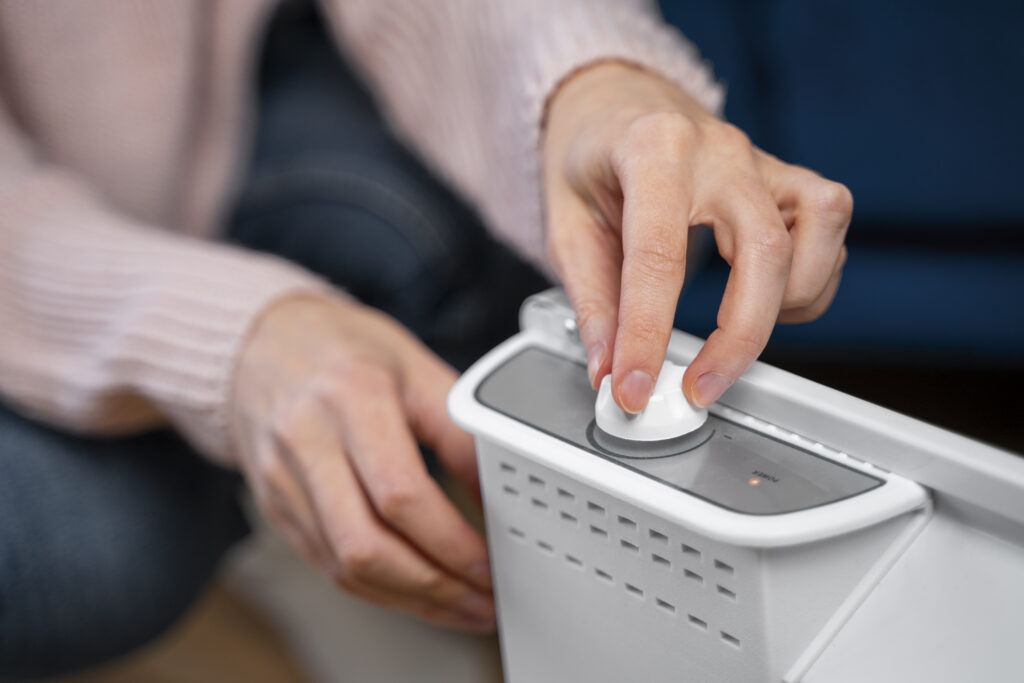
If you use your unit daily, clean the components with this routine:
- Water tank: every 2–3 days
- Filter: every 2–4 weeks
- Full deep clean: every 3 months
In high-moisture environments such as basements or after flood damage, clean the units more frequently.
We often see post-flood properties where equipment becomes contaminated quickly. If your home has experienced water damage, DIY cleaning may not be enough.
Signs Your Dehumidifier Needs Cleaning
Many clients call us before realising their machine is the issue. Look out for:
- Musty smells
- Reduced water collection
- Increased condensation
- Unusual noises
- Visible mould inside tank
If the problem persists even after cleaning, moisture may be coming from hidden structural issues.
Common Mistakes When Cleaning a Dehumidifier
Understanding how you clean a dehumidifier also means knowing what not to do.
Using Bleach Directly Inside the Unit
Bleach can corrode internal components.
Not Drying Filters Properly
Reinserting a damp filter encourages mould growth.
Ignoring the Drain Hose
Continuous-drain models often harbour hidden bacteria in tubing.
Read also- dehumidifier for hire
When Cleaning Isn’t Enough
Sometimes homeowners focus on how to clean a dehumidifier, when the real issue is:
- Penetrating damp
- Leaking pipework
- Poor ventilation
- Flood aftermath
The British Lung Foundation highlights how prolonged damp exposure can significantly affect respiratory health.
For more info check: https://www.blf.org.uk/support-for-you/home
If damp returns quickly after cleaning your dehumidifier, you may need professional moisture detection.
At Disaster Care Capital, we use thermal imaging and moisture meters to identify hidden damp sources before they become structural problems.
Read also- how does a dehumidifier work for damp
Real Example: When Maintenance Wasn’t Enough
A homeowner in West London cleaned her dehumidifier weekly. She still noticed mould reappearing in her bedroom.
When we inspected the property, we discovered a slow pipe leak behind the wall. The dehumidifier masked the issue but never solved it.
This highlights an important truth: cleaning improves performance, but it doesn’t fix structural moisture problems.
How Do You Clean a Dehumidifier After Flood Damage?
After flooding:
- Disinfect thoroughly
- Replace filters completely
- Inspect electrical components
- Check for contamination
Floodwater often carries bacteria and sewage contaminants. In these cases, professional restoration services are safer.
Preventing Future Damp Problems
Cleaning your machine regularly helps, but you should combine it with:
- Opening windows daily
- Using extractor fans
- Drying clothes in ventilated spaces
- Checking for plumbing leaks
If condensation forms persistently on windows, moisture levels remain too high.
Conclusion
So, how do you clean a dehumidifier properly?
You unplug it, empty and disinfect the tank, clean or replace the filter, wipe vents, and maintain it regularly.
But remember — if damp returns quickly or mould keeps spreading, cleaning alone won’t solve the root cause.
At Disaster Care Capital, we don’t just treat symptoms. We identify moisture sources, prevent structural damage, and restore healthy indoor environments.
If your dehumidifier works constantly yet your home still feels damp, speak to our team before minor issues turn into major repairs.
FAQs
1. How do you clean a dehumidifier with mould inside?
Empty the tank, disinfect with vinegar solution, wash filters, and dry thoroughly. Replace filters if mould has penetrated deeply.
2. Can a dirty dehumidifier make you ill?
Yes. A contaminated unit can circulate mould spores and bacteria, worsening asthma and allergies.
3. How often should I deep clean my dehumidifier?
Every three months for normal use. Monthly if placed in a damp basement or post-flood property.





