


Noticed dark patches in your bathroom? That’s likely black mould in your shower—a common and persistent problem in UK homes, especially in winter or poorly ventilated bathrooms. Whether it’s creeping through your shower grout, clinging to your silicone sealant, or spreading on ceilings, it’s not just a nuisance—it’s a warning sign.
At Disaster Care Capital, we know the damage mould can cause to both your health and home. If left untreated, it spreads fast and becomes increasingly difficult to remove.
Let’s break down what causes black mould in the shower, why it’s dangerous, and how you can eliminate it with the right support.
What Causes Black Mould in Showers?
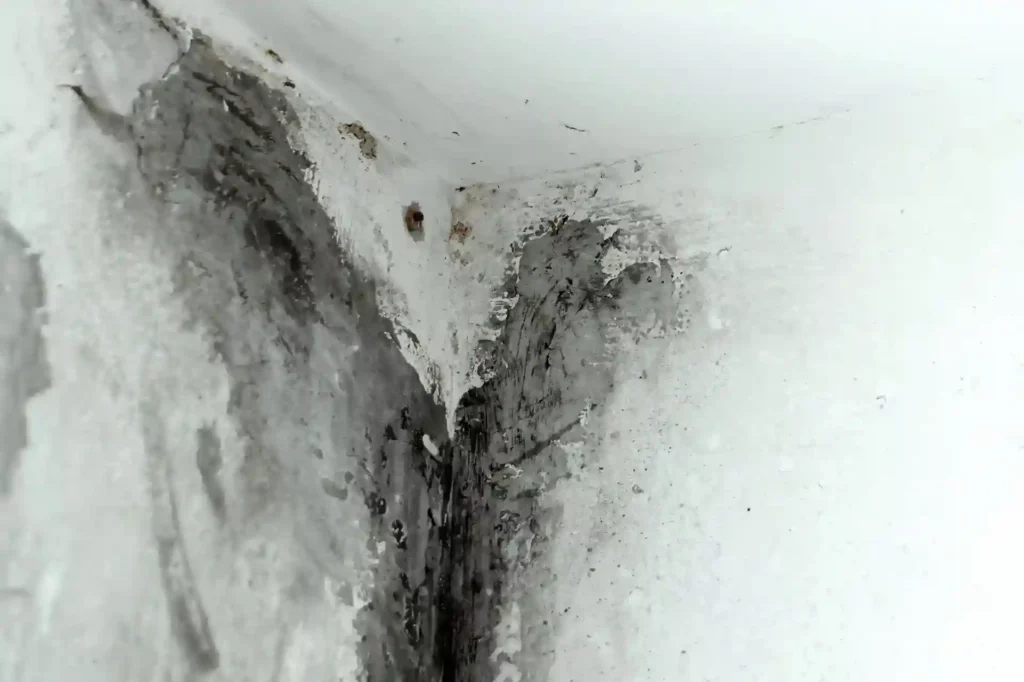
Black mould thrives in moist, humid conditions—your bathroom offers the perfect environment. Hot showers create condensation, while dead skin, soap scum, and even damp towels provide food for fungal spores. Mould commonly appears in:
- Shower grout and silicone joints
- Ceilings and tile corners
- Behind shower curtains or screens
Poor ventilation is the biggest culprit. Without effective shower ventilation solutions, moist air becomes trapped and encourages mould growth.
View our article if you are dealing with a flooded bathroom?
Is Black Mould Dangerous?
Absolutely. Black mould releases mycotoxins, allergens, and irritants. Inhaling or touching it can lead to:
- Respiratory issues like asthma flare-ups
- Skin irritation or allergic reactions
- Long-term health complications, particularly in children and the elderly
Certain mould species like Stachybotrys chartarum are especially hazardous. That’s why professional mould removal services in the UK are essential if you suspect a serious infestation.
Read also: NHS Advice on Mould and Damp
Why DIY Isn’t the Best Solution

While scrubbing with bleach may seem like a quick fix, it rarely addresses the underlying cause—and often spreads the spores. DIY cleaning methods can also damage bathroom surfaces or allow mould to return.
Our mould remediation specialists at Disaster Care Capital use industry-grade tools, seal affected areas to prevent cross-contamination, and identify moisture sources to ensure a permanent fix.
Bathroom Mould Prevention Tips
Want to stop mould returning for good? Here’s how to keep your shower mould-free:
- Install shower ventilation solutions like extractor fans
- Open windows after showers where possible
- Dry all surfaces after use to remove standing moisture
- Clean grout and corners weekly with anti-microbial products
- Check for plumbing leaks regularly. You can choose our leak detection services to make sure that you are settled
- Use a dehumidifier if your bathroom suffers from constant condensation
Final Thoughts: Don’t Let Black Mould in Your Shower Spread
Black mould in the shower is more than a surface problem—it signals a deeper issue with humidity, airflow, and moisture control. Left unchecked, it can affect your health and damage your home.
At Disaster Care Capital, we’ve helped thousands of households across the UK reclaim clean, safe bathrooms with expert solutions and lifetime guarantees. If you need urgent help or long-term bathroom mould prevention, our team is just a call away.





