


If you are dealing with a damp house, one of the first questions that comes to mind is whether there is a better time of year to tackle it, a season where conditions are in your favour, drying is faster, and the results last longer. The answer is genuinely more nuanced than most guides suggest. The best time depends on what is causing the damp, what materials need drying, and what equipment you are using.
The simple answer that summer is always better is not quite right. Warm ambient temperatures help in some scenarios and work against you in others. Cold, dry winter air is underused as a drying tool despite being surprisingly effective when applied correctly. Understanding why and how each season affects the physics of drying, helps you make better decisions about when and how to tackle your specific situation.
Read also: How to make a flood damage insurance claim UK, step by step
The Physics of Drying: What Actually Drives Moisture Out
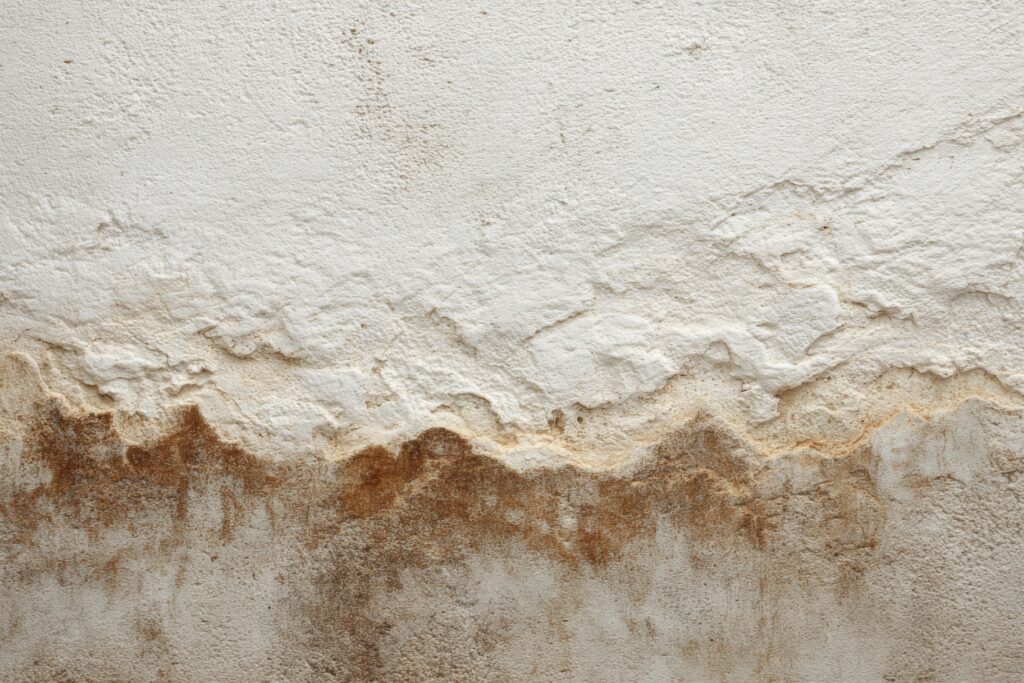
Before looking at seasons, it helps to understand what actually makes drying happen. Moisture leaves building materials through evaporation; water molecules at the material surface transition from liquid to vapour and enter the surrounding air. Two things drive this process:
Temperature: Warmer air holds more moisture in vapour form, and warmer surfaces evaporate moisture faster. Higher temperatures accelerate drying.
Vapour pressure differential: Moisture moves from areas of high vapour pressure (wet materials) to areas of low vapour pressure (drier air). When the air in a room is very humid, the vapour pressure differential between wet walls and the air is small, moisture barely moves. When the air is kept dry by a dehumidifier or by cold, dry conditions, the differential is large and moisture moves rapidly from the material into the air.
A dehumidifier creates the vapour pressure differential mechanically by continuously removing moisture from the room air, keeping it dry regardless of how much is evaporating from the walls. This is why professional drying with a dehumidifier does not depend on season in the way passive drying does; the equipment creates the conditions that drive drying, regardless of what is happening outside.
Summer: The Advantages and the Overlooked Problems
Summer is the season most people associate with drying out a damp property, and it does offer genuine advantages:
The advantages of summer drying:
- Warm ambient temperatures increase the rate of evaporation from material surfaces
- Longer daylight hours and more solar gain warm the building fabric, which accelerates moisture release
- Heating the property is not required to support the drying programme, as the ambient temperature is sufficient.
- Warm, dry periods following rain allow outdoor ventilation to assist drying in properties where ventilation-driven approaches are applicable
For surface condensation problems, where mould is growing on cold walls due to winter moisture deposition, summer is naturally the better season because the problem does not exist at the same intensity. Cold walls warm up, relative humidity in the building drops, and the conditions that sustained condensation mould through winter are temporarily absent.
The overlooked problems with summer drying:
Here is what most guides do not tell you: Summer in the UK brings warm external air, but warm air carries more absolute moisture than cold air. When you open windows in summer to “air out” a damp property, you are introducing warm, humid air that, when it contacts the cooler internal surfaces of the building fabric, deposits moisture as condensation. You are, in some circumstances, making things worse rather than better.
This is the most common summer drying mistake: ventilating with warm, humid outdoor air and wondering why the walls do not seem to be drying. External relative humidity in the UK in summer regularly exceeds 70 to 80%. Introducing this air into a building being dried by natural ventilation alone provides limited benefit and sometimes negative effect, particularly in basements, thick masonry walls, and north-facing rooms.
With a dehumidifier running, summer ventilation advice reverses completely: close the windows. The dehumidifier processes the fixed air volume of the sealed room, reducing ambient relative humidity to 45 to 55%, which maintains a strong vapour pressure differential and drives moisture out of building materials efficiently.
Autumn: The Most Underestimated Season
Autumn, particularly September and October, is a significantly better season for active dehumidifier-assisted drying than most people realise. Several factors combine in its favour:
Falling external temperatures: mean walls and floors are beginning to cool, but building materials that absorbed heat through summer are still releasing warmth. The temperature differential between the material surface and the external environment is favourable for drying in both directions. Materials are warm enough to release moisture effectively, and the incoming cold air (when properly managed) is dry enough to absorb it.
Lower ambient humidity than in summer: As temperatures fall, the absolute moisture content of air drops. Autumn air in the UK, while often feeling damp, carries less absolute moisture than humid summer air. A dehumidifier processing autumn air works more efficiently than one processing the heavily moisture-laden air of a warm, humid August.
No heating load competing with the drying programme: In autumn, properties typically do not require heavy heating yet, which means the dehumidifier is not working against a high thermal load. Heating in winter can be beneficial to drying but also introduces its own dynamics, see below.
Pre-winter timing: Completing a drying programme before the winter means materials are at a lower moisture content entering the cold season, reducing the risk of winter condensation establishing on surfaces that are already elevated. A dry building going into winter performs better than a marginal one.
For flood or water damage events, autumn is arguably the best season for deploying professional drying equipment precisely because the ambient conditions support rather than hinder the programme.
Winter: More Capable than You Think, With the Right Equipment
The cold winter air advantage: Cold air carries very little absolute moisture. When cold, dry winter air enters a building, its relative humidity in the room rises as it warms, but its absolute moisture content remains low. Once the dehumidifier extracts that moisture, the room air is genuinely dry. The vapour pressure differential this creates is often stronger in winter than in summer, particularly if the property is being heated.
Heating supports drying: Running the property’s heating system during a winter drying programme serves two purposes simultaneously: it keeps the building habitable and it warms the building fabric, accelerating moisture release from walls, floors, and ceilings. For properties that were flooded or that have experienced significant water ingress gentle consistent heating combined with desiccant dehumidification is a highly effective combination.
The critical equipment point: Standard refrigerant dehumidifiers lose extraction efficiency rapidly below 15°C. Below about 10°C, they can ice up and stop functioning entirely. Most UK properties being dried in winter will have rooms or spaces below these temperatures, particularly unheated rooms, basements, loft spaces, and garages.
Industrial desiccant dehumidifiers have no temperature limitation. They use a silica gel rotor to absorb moisture directly from air, a mechanism that works at any temperature including below zero. For winter drying in any property where temperatures in affected spaces are below 15°C, a desiccant unit is not optional; it is the only equipment that will perform effectively.
What makes winter harder: The main challenge of winter drying is that properties are more likely to be occupied and require consistent heating, which increases energy cost. Loft spaces, garages, and outbuildings are cold enough that even desiccant units benefit from supplementary heating to accelerate evaporation from material surfaces. And natural ventilation, useful as a supplementary measure in appropriate conditions, is clearly less practical in winter.
Read also: Water damage in a rented property, who is responsible?
Spring: Clean Conditions, Improving Temperatures
Spring, from March to May in the UK, offers improving conditions for drying with none of the high summer humidity that complicates outdoor ventilation.
Spring air is relatively dry in absolute moisture terms despite feeling fresh. External temperatures are rising, internal building temperatures are rising, and the winter’s condensation season is ending. Surfaces that accumulated condensation moisture through December to February begin releasing it naturally as temperatures rise.
For condensation-related damp and mould, the most common moisture problem in UK properties, spring is a natural turning point. Running a dehumidifier through March and April capitalises on the naturally improving conditions, accelerates the release of moisture that accumulated during winter, and ensures surfaces reach the dry standard before the next cold season.
For post-flood or post-water-damage drying, spring offers similar advantages to autumn: moderate temperatures, relatively dry air, and no extreme humidity to manage. The main variable is whether temperatures in affected spaces are still below 15°C, which determines whether a desiccant or refrigerant unit is more appropriate.
For guidance on damp diagnosis and moisture management in UK properties, check: Property Care Association, damp guidance for homeowners
The Most Important Factor: Starting Quickly, Regardless of Season
The single most important variable in any drying programme is not the season, it is how quickly professional equipment is deployed after the moisture event.
Mould begins establishing in porous building materials within 24 to 48 hours of moisture content rising above a critical threshold. Timber at moisture content above 20% begins deteriorating. Plasterboard saturated for more than 48 to 72 hours starts to lose structural integrity. Every day without industrial drying equipment increases the scope of secondary damage and extends the total programme duration.
A flood event in February, with desiccant dehumidifiers deployed within 24 hours, will achieve a better outcome than the same event in July where the property sat unaddressed for a week. Season provides context and affects equipment selection and programme duration. Speed of response determines whether the damage is manageable or severe.
Matching Equipment to Season
The practical conclusion from this is that the equipment specification should follow the season and the property conditions, not the other way round:
- Summer, temperatures consistently above 18°C, modern construction: industrial refrigerant dehumidifier. Highest extraction efficiency in warm conditions.
- Autumn or spring, temperatures 10–18°C, mixed construction: either refrigerant or desiccant depending on specific conditions; desiccant if any spaces are likely to drop below 15°C
- Winter, any temperatures below 15°C in affected spaces: industrial desiccant dehumidifier. No temperature limitation, warm dry output air supports drying.
- Basements and below-grade spaces, any season: industrial desiccant dehumidifier. Basements are typically cold regardless of external season.
- Stone cottages, solid Victorian masonry, traditional construction, any season: industrial desiccant dehumidifier. Dense materials release moisture slowly; consistent low-RH conditions maintained over longer periods are required.
One more consideration applies year-round: in any season, the drying space should be sealed, windows and doors closed, while industrial dehumidifiers are running. This applies in summer as much as winter. The equipment processes the defined air volume of the sealed room efficiently. Open windows introduce uncontrolled external humidity and reduce the equipment’s effectiveness.
Dehumidifier Rentals provides industrial refrigerant and desiccant dehumidifiers for hire across the UK, correctly specified for the season, the temperature, the construction type, and the moisture conditions involved. Contact Dehumidifier Rentals today for expert specification advice and fast delivery.
For IICRC structural drying standards and equipment guidance, check: IICRC, water damage and drying standards
Conclusion
There is no single best season to dry out a damp house; the right time is as soon as possible after the moisture problem is identified or the water event occurs, with the right equipment for the ambient conditions. Summer offers warm temperatures but humid outdoor air that complicates natural ventilation. Autumn is underrated, falling temperatures and drier air combine favourably with industrial dehumidification. Winter is viable with desiccant equipment and heating support, despite its cold-temperature reputation. Spring brings improving conditions that complement an active drying programme.
What the season does determine is which equipment to specify. Below 15°C in any affected space, a desiccant unit is the correct tool. Above 15°C consistently, refrigerant units deliver excellent extraction efficiency. Get the specification right, seal the space, and start as quickly as possible, the season provides the context, but speed and equipment quality determine the outcome.
Frequently Asked Questions
How Long Does It Take to Dry Out a Damp House?
It depends on the construction type, the depth of moisture penetration, the equipment deployed, and the ambient temperature. Modern plasterboard walls with a minor event can be dried in 5 to 14 days with industrial equipment. Solid Victorian masonry with significant moisture may take 6 to 12 weeks. Start quickly, use correctly specified equipment, and measure progress with a moisture metre rather than elapsed time.
Should I Open Windows When Using a Dehumidifier to Dry a Damp House?
No, close windows and external doors when a dehumidifier is running. Open windows force the equipment to process an unlimited volume of external air of unknown humidity, preventing it from reducing indoor RH to the level needed to drive moisture out of building materials. The dehumidifier works by creating a low-humidity environment in the sealed room.
Can You Dry Out a Damp Property in Winter?
Yes, with industrial desiccant dehumidifiers, which maintain full extraction performance at any temperature. Standard refrigerant dehumidifiers lose efficiency below 15°C, making them unsuitable for winter drying in cold spaces. Combining desiccant dehumidification with the property’s heating system is an effective winter drying approach.





