


Setting the humidity level correctly is essential. If the setting is too high, the dehumidifier may not remove enough moisture to prevent damp. If the setting is too low, the air may become uncomfortably dry and waste unnecessary energy.
Understanding the best setting for a dehumidifier helps maintain a healthy indoor environment, protects property from moisture damage and improves overall comfort inside the home.
For many UK households, particularly during winter months, choosing the correct humidity setting can significantly reduce condensation and mould growth.
Why Humidity Control Matters in Homes

Indoor humidity refers to the amount of moisture present in the air. When humidity levels become too high, excess moisture begins to collect on cold surfaces such as windows, walls and ceilings.
This can lead to several problems including:
- damp patches
- mould growth
- peeling paint or wallpaper
- musty odours
- damage to furniture and flooring
Humidity levels above 60% are generally considered too high for indoor environments.
According to property and health guidance, maintaining humidity between 30% and 50% is ideal for most homes. This range helps prevent mould growth and improves indoor air quality.
For more info check: https://www.nhs.uk/live-well/healthy-home/mould-and-damp/
Maintaining proper humidity levels is one of the main reasons homeowners invest in dehumidifiers.
Read also- Can Dehumidifiers Help in Restoration
What Is the Best Setting for a Dehumidifier?
The best setting for a dehumidifier in most homes is typically around 40% to 50% relative humidity.
This range achieves a balance between removing excess moisture and maintaining comfortable air quality.
Here is a simple guideline:
Setting your dehumidifier to maintain humidity around 45% is often recommended for normal living spaces.
Many modern dehumidifiers include a built-in hygrometer that measures humidity automatically. When the humidity rises above the selected setting, the device begins removing moisture from the air.
Read also- What are our Advanced Water Extraction Methods?
Why the Correct Setting Is Important
Using the best setting for a dehumidifier ensures the device operates efficiently without overworking.
If the setting is too low, the machine will run constantly, increasing electricity usage and possibly making the air too dry.
If the setting is too high, the device may not remove enough moisture to prevent damp and mould.
Proper humidity control helps protect:
- walls and ceilings
- wooden furniture
- flooring
- stored belongings
- indoor air quality
Maintaining the correct setting ensures the dehumidifier works as intended without unnecessary energy consumption.
Best Setting for Dehumidifiers in Winter
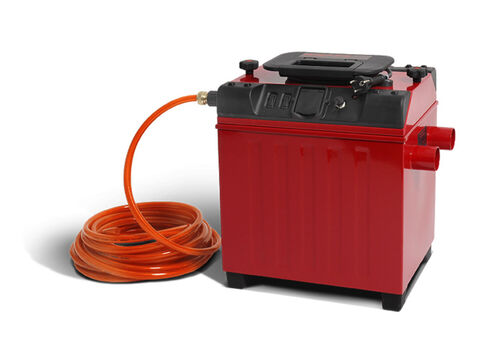
Winter is the time when many UK households experience their highest levels of indoor humidity.
This occurs because:
- windows remain closed
- heating systems increase condensation
- laundry is often dried indoors
- cold surfaces encourage moisture accumulation
During winter, experts recommend setting the dehumidifier slightly lower within the ideal range.
The best setting for dehumidifier in winter is typically around 40–45% humidity.
This helps prevent:
- condensation on windows
- damp patches on walls
- mould growth in corners or ceilings
If your home experiences heavy condensation, lowering the setting slightly may improve results.
Best Setting for Dehumidifier in Different Rooms
Different areas of the home may require slightly different humidity settings.
Living Rooms and Bedrooms
Recommended setting: 40–50% humidity
These spaces require comfortable humidity levels to maintain healthy air quality.
Kitchens
Recommended setting: 40–45% humidity
Cooking produces large amounts of moisture. Lower settings help reduce condensation on walls and windows.
Bathrooms
Recommended setting: 40–45% humidity
Showering releases significant humidity. Dehumidifiers can help remove moisture quickly after use.
Basements or Cellars
Recommended setting: 35–45% humidity
Basements often experience higher moisture levels due to poor ventilation and contact with surrounding soil.
Lower humidity settings may be required to prevent damp.
Signs Your Dehumidifier Setting Is Too High
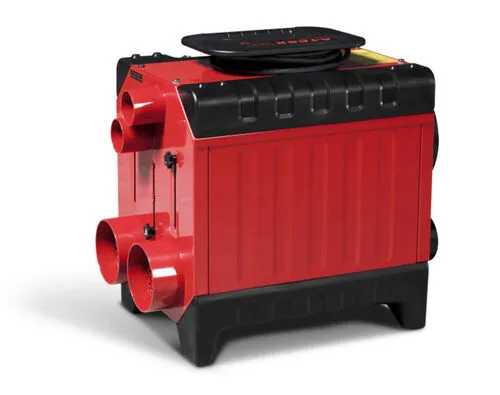
If the best setting for your dehumidifier is not correctly adjusted, moisture problems may continue.
Common signs the setting is too high include:
- persistent window condensation
- mould appearing on walls or ceilings
- musty smells in rooms
- damp patches on paint or wallpaper
These symptoms suggest the humidity level is still too high and the dehumidifier should be set lower.
Signs Your Dehumidifier Setting Is Too Low
Although rare, setting the humidity too low can also cause issues.
Symptoms include:
- dry skin or irritated eyes
- static electricity
- cracking wooden furniture
- overly dry indoor air
If these occur, increasing the humidity setting slightly may improve comfort.
How Dehumidifiers Measure Humidity
Most modern dehumidifiers include a sensor called a hygrometer. This measures the relative humidity in the air and allows the machine to operate automatically.
When the humidity level rises above the selected setting, the device begins extracting moisture.
Once the desired humidity is reached, the machine stops running.
This automatic control ensures the dehumidifier maintains the best setting for dehumidifier without constant manual adjustments.
Additional Tips for Using a Dehumidifier Efficiently
To achieve the best results from your dehumidifier, consider these practical tips:
Place the Dehumidifier Correctly
Position the unit in an area with good airflow and avoid placing it directly against walls or furniture.
Keep Doors and Windows Closed
This prevents outside humid air from entering the room.
Empty the Water Tank Regularly
A full tank stops the machine from operating.
Clean the Air Filter
Dust can reduce efficiency and airflow.
Following these steps helps ensure the device performs effectively.
When Professional Dehumidification Is Needed
In some cases, household dehumidifiers may not be enough.
If your property has experienced:
- flooding
- major leaks
- storm damage
- severe mould infestations
professional restoration services may be required.
Industrial drying equipment removes large amounts of moisture trapped inside walls, floors and building materials.
Companies like Disaster Care Capital use advanced dehumidification systems to restore safe indoor conditions after water damage.
For more info check: https://www.gov.uk/government/publications/damp-and-mould-health-risks-guidance
This guidance explains how moisture and mould can affect property and health.
Choosing the Right Dehumidifier
Selecting the right device also influences the best setting for your dehumidifier.
There are two common types:
Compressor Dehumidifiers
Best suited for warm rooms and larger spaces.
Desiccant Dehumidifiers
More effective in colder environments, making them popular in UK homes during winter.
Each type has advantages depending on room size, temperature and humidity levels.
Why Dehumidifiers Are Important for Damp Prevention
High humidity levels are one of the primary causes of damp problems in UK properties.
Left untreated, moisture can lead to:
- structural damage
- mould infestations
- health problems
- expensive repairs
Using the best setting for a dehumidifier helps control moisture before these issues develop.
Combined with good ventilation and insulation, dehumidifiers play an important role in maintaining healthy indoor environments.
Conclusion
Understanding the best setting for a dehumidifier is essential for maintaining balanced humidity levels inside the home.
For most UK properties, setting the device between 40% and 50% humidity provides the ideal balance between moisture removal and comfort.
During winter months, slightly lower settings around 40–45% may help prevent condensation and mould growth.
By maintaining the best setting for dehumidifier, homeowners can protect their property, improve air quality and prevent costly moisture damage.
For households experiencing persistent damp or water damage, professional restoration services such as Disaster Care Capital can provide expert drying solutions.
FAQs
1. What is the best setting for dehumidifier in a home?
The ideal setting is typically between 40% and 50% humidity, which prevents mould while maintaining comfortable indoor air.
2. Should I run my dehumidifier all day?
Many modern dehumidifiers run automatically. They switch on when humidity rises above the selected level and switch off once the target is reached.
3. Can a dehumidifier stop mould growth?
Yes. By reducing humidity levels, dehumidifiers remove the moisture that mould needs to grow, helping prevent mould from developing inside the home.





