


If you’ve bought or rented a unit, you may be asking: what is the best place for a dehumidifier?
Placement is often overlooked, but it dramatically affects performance. Even the best unit won’t work properly if positioned incorrectly.
Whether you’re tackling condensation, mould, or post-flood drying, knowing where to place a dehumidifier can maximise efficiency and speed up results.
Why Placement Matters More Than You Think
A dehumidifier works by drawing in moist air, removing water, and releasing dry air. Poor placement can:
- Restrict airflow
- Reduce moisture removal
- Increase energy use
- Slow drying times
Even moving a unit by a metre can improve performance.
The Best Place for a Dehumidifier (General Rule)
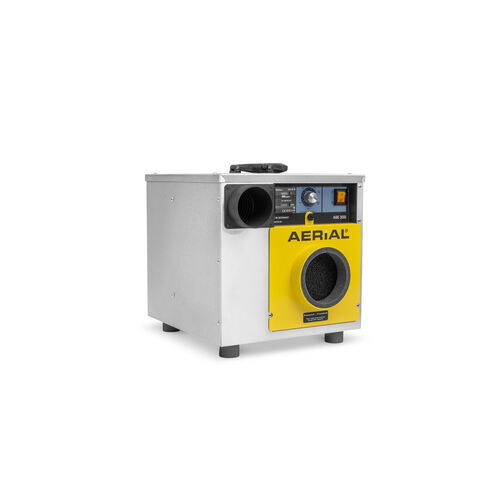
The best place for a dehumidifier is a central, open area with good airflow.
Experts consistently recommend placing units in open spaces so air circulates properly.
Best Locations by Scenario
1. In the Dampest Room
If one room has visible damp or mould, start there.
This is ideal for:
- Bedrooms with condensation
- Living rooms with mould spots
- Damp basements
Targeting the source is highly effective.
2. Central Hallways or Landings
For whole-home moisture control, hallways are ideal.
They allow:
- Air circulation across rooms
- Even humidity reduction
- Whole-house drying
Read also– Dehumidifier Hire
3. Near Indoor Laundry Drying Areas
Drying clothes indoors adds litres of moisture to the air.
Positioning a dehumidifier nearby:
- Speeds drying
- Prevents condensation
- Stops mould forming
4. Near Moisture Sources (But Not Too Close)
Good examples include:
- Near bathrooms
- Close to kitchens
- Adjacent to damp walls
Just avoid placing it directly under dripping water.
Read also- Temporary Dehumidifier Hire During Property Restoration
Where NOT to Put a Dehumidifier

Knowing where not to place one is just as important.
1. Against Walls
Most units need space around them for airflow.
2. In Corners
Corners trap airflow and reduce efficiency.
3. Inside Cupboards or Tight Spaces
Enclosed areas restrict circulation and reduce effectiveness.
4. Near Heat Sources
Avoid placing near:
- Radiators
- Heaters
- Direct sunlight
Heat can affect humidity readings and performance.
How Much Space Should You Leave Around It?
As a general rule, ensure:
- 20–50cm clearance around the unit
- Level floor placement
- Open surrounding airflow
This ensures optimal performance.
Best Place for a Dehumidifier After Flood Damage
Flood recovery is different from everyday damp control.
For post-flood drying:
- Place the unit near the wettest areas
- Use multiple units for large spaces
- Combine them with air movers
Professional restoration teams carefully position drying equipment to maximise airflow and evaporation.
Multi-Room Homes: One or Several Units?
If your home has:
- Multiple floors
- Large open spaces
- Severe damp
You may need more than one unit.
A single central unit may not evenly control humidity in complex layouts.
Bedroom Placement Tips
Bedrooms are one of the most common areas for dehumidifiers due to condensation.
Best placement:
- Opposite windows
- Away from beds
- Near airflow paths
This reduces overnight condensation.
Basement and Cold Space Placement
Cold areas require special consideration.
Some dehumidifiers perform poorly in low temperatures, so:
- Use desiccant models for cold spaces
- Avoid placing units directly on cold floors
This ensures consistent moisture removal.
Placement Mistakes That Reduce Performance
Common errors include:
- Hiding it behind furniture
- Blocking vents
- Running with windows open
- Using the wrong room size unit
These reduce effectiveness dramatically.
Professional Placement vs DIY
While home placement works for mild damp, professionals use advanced strategies such as:
- Airflow mapping
- Moisture readings
- Strategic unit rotation
- Structural drying plans
This ensures faster and safer drying, especially after water damage.
Pro Tip: Move It as Conditions Change
Moisture patterns shift as rooms dry.
You may need to:
- Reposition weekly
- Move between floors
- Adjust seasonally
This keeps performance optimal.
Final Thoughts: Best Place for Dehumidifier
The best place for a dehumidifier depends on your goal — but the golden rule is simple:
Open space + airflow + proximity to moisture.
For everyday damp:
- Use central areas or problem rooms
For laundry drying:
- Place nearby but unobstructed
For flood recovery:
- Position strategically or hire professionals
Correct placement can dramatically improve performance and reduce drying times — especially when dealing with serious water damage.
If you’re unsure where to place a unit after flooding or leaks, professional assessment ensures faster and safer drying.
FAQs
1. Where is the best place for a dehumidifier in a house?
Usually a central, open location or the dampest room, depending on your humidity problem.
2. Should a dehumidifier be on the floor or table?
Most should be placed on the floor for stability unless the manufacturer advises otherwise.
3. Can I move a dehumidifier between rooms?
Yes. Many homeowners reposition units depending on where moisture is highest.





