


If you wake up to water running down your windows, black mould forming around frames, or damp smells lingering in bedrooms, you are not alone. Window condensation is one of the most common problems in UK homes — and finding the best dehumidifier to combat it can feel overwhelming.
At Disaster Care Capital, we regularly attend properties where persistent condensation has already led to mould growth, damaged plaster, warped timber and unhealthy indoor air. What begins as “just a bit of moisture on the glass” can quietly develop into a much larger issue.
This guide will help you understand:
- Why window condensation happens
- How to choose the best dehumidifier for your needs
- What features actually matter
- When a dehumidifier isn’t enough
- How to prevent long-term structural damage
Let’s start with the real cause.
Why Does Window Condensation Happen?
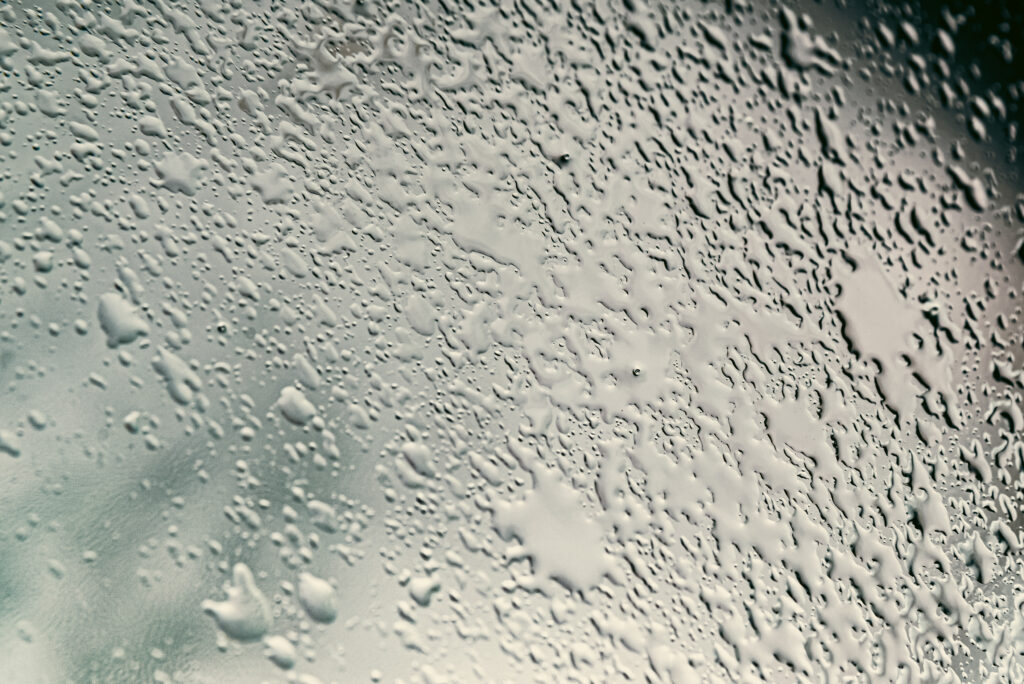
Condensation forms when warm, moisture-heavy air hits a cold surface — such as single or double-glazed windows during colder months.
Moisture in your home comes from:
- Cooking
- Showering
- Drying clothes indoors
- Breathing (a family of four can produce several litres of moisture daily)
- Poor ventilation
When indoor humidity rises above 60%, condensation risk increases significantly.
According to guidance from the Energy Saving Trust, poor ventilation combined with excess moisture is one of the leading causes of damp problems in UK housing stock.
If left untreated, window condensation can lead to:
- Black mould on frames
- Rotting timber sills
- Peeling paint
- Damp plaster around reveals
- Mould spreading behind curtains and wardrobes
This is where choosing the best dehumidifier for window condensation becomes essential.
Do You Definitely Need a Dehumidifier?

Before buying anything, ask yourself:
- Are my windows wet every morning?
- Is there mould forming in the corners of my rooms?
- Does my home feel damp or musty?
- Are my walls cold and slightly clammy?
If you answered yes to any of these, a dehumidifier is likely appropriate.
However, if condensation appears only occasionally and disappears quickly once heating or ventilation improves, you may simply need better airflow rather than a machine.
Persistent daily condensation, though, usually indicates excess indoor humidity.
What Makes the Best Dehumidifier for Window Condensation?
Not all dehumidifiers are equal. Choosing the wrong size or type can waste money and fail to solve the issue.
Here’s what actually matters.
1. Extraction Capacity (Litres per Day)
This is the most important factor.
For typical UK flats and small houses, a unit extracting 10–20 litres per day is usually sufficient, while larger homes or severe condensation problems, you may need 20+ litres per day.
Underpowered units are one of the most common mistakes homeowners make.
2. Compressor vs Desiccant
There are two main types.
Compressor Dehumidifiers
These:
- Work best in temperatures above 15°C
- Require more energy-efficient in heated homes
- Are ideal for most living spaces
Desiccant Dehumidifiers
These:
- Perform better in colder rooms
- Are suitable for garages or unheated spaces
- And are often quieter
In standard UK central-heated properties, compressor models are typically the better option for window condensation.
3. Humidistat Control
The best dehumidifier for window condensation should include a built-in humidistat.
This allows you to set a target humidity level (ideally between 45%–55%), ensuring the unit will switch off automatically once levels stabilise.
Without this feature, the machine may over-dry the air or run unnecessarily.
4. Continuous Drainage Option
Emptying water tanks daily becomes inconvenient quickly.
Look for:
- A hose attachment for direct drainage
- A large water tank capacity
In properties with severe condensation, tanks can fill surprisingly fast.
5. Noise Levels
Bedrooms often suffer worst from window condensation. If the unit is too loud, it won’t be practical overnight.
Aim for units operating under 45 dB for sleeping areas.
How a Dehumidifier Actually Stops Window Condensation
A dehumidifier reduces the moisture content in the air. When humidity drops:
- Less vapour is available to condense
- Window surfaces stay dry
- Mould growth risk decreases
Importantly, it treats the air — not the glass.
If you simply wipe windows each morning without reducing indoor humidity, the problem will return daily.
Can a Dehumidifier Completely Eliminate Window Condensation?
In many cases, yes.
But not always.
If condensation persists despite running a correctly sized unit, underlying issues may include:
- Poor insulation
- Thermal bridging
- Inadequate ventilation
- Cavity wall moisture
- Hidden leaks
At Disaster Care Capital, we sometimes find that long-term condensation masked more serious damp ingress.
For technical understanding of moisture behaviour in buildings, for more info check: https://www.cibse.org/knowledge-research/knowledge-portal
The Chartered Institution of Building Services Engineers provides guidance on building moisture control and ventilation design.
Common Mistakes When Choosing the Best Dehumidifier for Window Condensation
Buying the Cheapest Model
Low extraction capacity often fails in real-world UK conditions.
Placing It in the Wrong Location
Position centrally in the room with airflow around it — not hidden behind furniture.
Running It Only Occasionally
Consistency matters. Short bursts won’t solve chronic humidity.
Ignoring Ventilation
A dehumidifier complements ventilation — it does not replace it.
Real Example: Condensation Leading to Mould Damage
We attended a semi-detached property where window condensation was dismissed for two winters.
The result:
- Mould spread behind fitted wardrobes
- Plasterboard deterioration
- Timber window frame rot
- Odour contamination in soft furnishings
The homeowner eventually required professional mould remediation and structural drying.
A correctly sized dehumidifier early on would likely have prevented thousands in damage.
Should You Use a Dehumidifier in Every Room?
Not necessarily.
Focus on:
- Bedrooms
- Living rooms
- Rooms where laundry dries
- Poorly ventilated spaces
In open-plan homes, one larger unit may suffice.
In larger multi-storey homes, two strategically placed units may be more effective.
Energy Costs: Are Dehumidifiers Expensive to Run?
Modern units are relatively efficient.
Running costs depend on:
- Wattage
- Hours used
- Electricity tariff
Interestingly, reducing humidity can improve heating efficiency. Dry air heats faster than moist air, potentially offsetting some electricity usage.
More importantly, preventing damp damage saves significant repair costs.
Read also- how to use a dehumidifier
Alternative Solutions to Window Condensation
Before or alongside using the best dehumidifier for window condensation, consider:
- Using extractor fans consistently
- Opening trickle vents
- Avoiding drying clothes indoors
- Improving loft insulation
- Ensuring cavity walls are dry
However, in many UK properties — especially older housing — moisture production simply exceeds ventilation capacity.
When to Call a Professional
A dehumidifier is suitable for lifestyle condensation.
You may need professional intervention if:
- Mould keeps returning
- Walls feel persistently damp
- There are water stains on ceilings
- Floorboards are warping
- Damp patches grow over time
These signs suggest structural moisture ingress rather than simple condensation.
At Disaster Care Capital, we use industrial-grade drying systems and moisture mapping equipment to identify hidden water sources.
Read also- dehumidifier advantages
What Size Dehumidifier Do Most UK Homes Need?
As a general guide, these are the size requirements for different property types:
- 1–2 bedroom flat → a 10–12 litre unit
- 3 bedroom house → a 12–20 litre unit
- Severe condensation → a 20+ litre unit
Always match capacity to room size and moisture severity.
How Long Does It Take to See Results?
You should notice reduced window condensation within:
- 24–72 hours in moderate cases
- 5–7 days in heavier moisture environments
If no improvement occurs after one week of consistent use, reassess humidity levels or investigate underlying damp.
Final Thoughts: Choosing the Best Dehumidifier for Window Condensation
Finding the best dehumidifier for window condensation is not about buying the most expensive model — it is about choosing the correct capacity, technology and features for your property.
Window condensation is more than an annoyance. Left untreated, it can lead to:
- Mould growth
- Structural timber damage
- Unhealthy indoor air
- Costly repairs
A properly sized dehumidifier can significantly reduce moisture levels and protect your home. But if condensation persists or worsens, professional assessment may be required to address deeper issues.
At Disaster Care Capital, we help homeowners move beyond temporary fixes and resolve moisture problems at their source — safeguarding both property and health.
FAQs
1. What is the best dehumidifier for window condensation in a bedroom?
Look for a 10–12 litre compressor unit with low noise output (under 45 dB) and a built-in humidistat to maintain balanced humidity overnight.
2. Will a dehumidifier stop mould on window frames?
Yes, by reducing moisture levels. However, existing mould should be professionally cleaned to prevent recurrence.
3. Should I leave my dehumidifier on all day in winter?
In properties with persistent condensation, continuous use with a humidistat setting between 45%–55% is recommended for best results.





