


During winter, many homeowners notice something unusual inside their homes. Windows become foggy, walls feel damp and unpleasant musty smells begin to develop. These signs are usually linked to excess moisture trapped indoors.
This is where understanding the benefits of dehumidifiers in winter becomea important. In the UK, colder temperatures often lead people to keep windows closed while running heating systems. This traps humidity inside the home and creates ideal conditions for damp and mould to develop.
A dehumidifier helps regulate indoor humidity levels by removing excess moisture from the air. When used correctly, it can improve air quality, protect property and create a healthier indoor environment.
For homeowners dealing with condensation, damp or mould, learning about the benefits of a dehumidifier in winter can make a significant difference.
Why Humidity Becomes a Problem in Winter
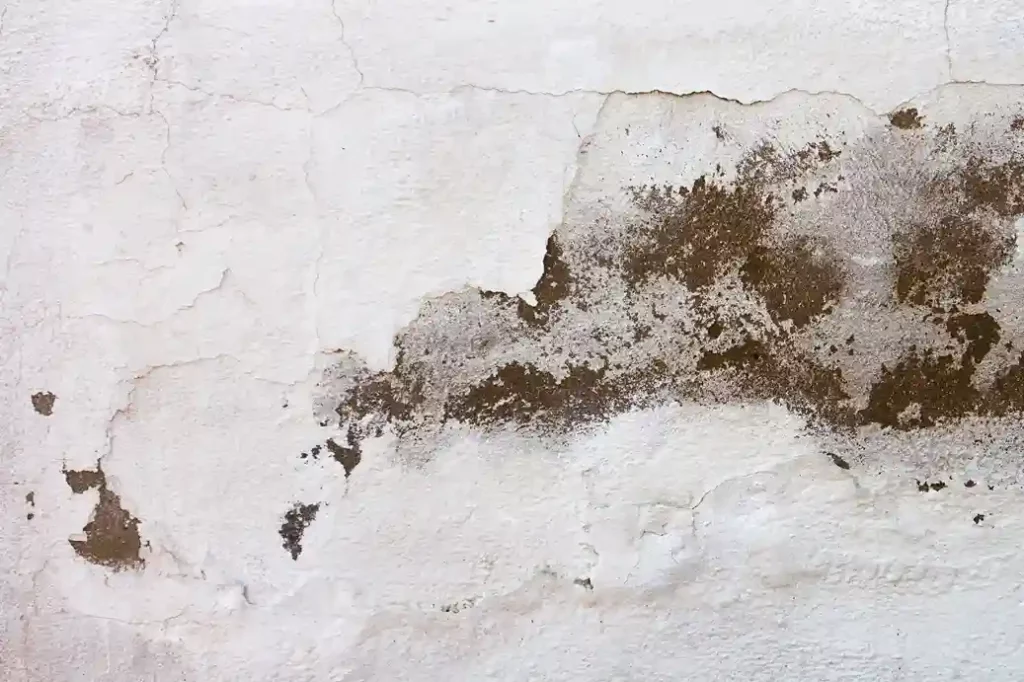
Winter humidity issues occur because of the difference between indoor and outdoor temperatures.
Warm indoor air holds more moisture than cold outdoor air. When this moist air comes into contact with cold surfaces such as windows or walls, condensation forms. Over time this moisture can lead to damp patches and mould growth.
Typical sources of indoor humidity include:
- Cooking and boiling water
- Showering and bathing
- Drying clothes indoors
- Poor ventilation
- Water leaks or flooding
According to indoor air quality guidance, maintaining indoor humidity between 30% and 50% helps prevent mould and moisture damage.
When humidity levels exceed this range, problems begin to appear inside the property.
Read also- Can Dehumidifiers Help in Restoration
Key Benefits of a Dehumidifier in Winter
Understanding the benefits of a dehumidifier in winter helps homeowners prevent serious moisture problems before they escalate.
Below are some of the most important advantages.
1. Prevents Damp and Mould Growth
One of the most significant benefits of dehumidifiers in winter is preventing mould and damp from forming inside homes.
Mould thrives in environments where humidity remains high for extended periods. When moisture accumulates on walls, ceilings or window frames, mould spores can begin spreading quickly.
Dehumidifiers remove moisture from the air, reducing the conditions required for mould growth.
For homes that have experienced:
- flooding
- leaks
- condensation
- damp basements
dehumidifiers are particularly useful in preventing further damage.
This is why restoration specialists like Disaster Care Capital often recommend dehumidification as part of the property drying process.
2. Improves Indoor Air Quality
Another major benefit of dehumidifiers in winter is improved indoor air quality.
Excess humidity can encourage allergens such as:
- mould spores
- dust mites
- bacteria
These airborne particles can trigger respiratory problems including asthma and allergies.
Research shows that reducing humidity can help limit these allergens and create a healthier indoor environment.
For families with children, elderly residents or individuals with respiratory conditions, maintaining balanced humidity levels is essential.
3. Reduces Window Condensation
Condensation on windows is one of the most common winter problems in UK homes.
It usually appears as water droplets forming on the inside of glass surfaces. While it may seem harmless, repeated condensation can lead to:
- damp window frames
- peeling paint
- mould growth
- damage to surrounding walls
A dehumidifier lowers indoor humidity levels, preventing moisture from condensing on cold surfaces.
According to property experts, reducing indoor humidity can significantly decrease condensation during colder months.
For many homeowners, this is one of the most noticeable benefits of dehumidifier in winter.
4. Makes Your Home Feel Warmer
Interestingly, dry air often feels warmer than humid air.
When humidity levels are high, moisture in the air makes rooms feel colder and more uncomfortable. By removing excess moisture, dehumidifiers help improve thermal comfort.
Some models even release slightly warmed air during operation, which can make rooms feel more comfortable in winter.
This means homeowners may rely less on heating systems, potentially reducing energy costs.
5. Protects Furniture and Belongings
High humidity can damage many items in the home.
Common problems include:
- warped wooden furniture
- peeling wallpaper
- damaged electronics
- mouldy fabrics
- musty smells in clothing
Dehumidifiers help preserve valuable belongings by maintaining a stable humidity environment.
This is particularly important in properties containing:
- wooden flooring
- antique furniture
- stored documents
- musical instruments
Maintaining proper humidity helps prevent long-term deterioration.
6. Speeds Up Indoor Laundry Drying

In winter, many households dry clothes indoors due to cold or wet weather.
However, drying laundry indoors releases large amounts of moisture into the air.
This can cause:
- condensation
- mould growth
- damp smells
Using a dehumidifier while drying clothes helps remove this excess moisture and speeds up the drying process.
Many homeowners notice that clothes dry significantly faster when a dehumidifier is used nearby.
7. Helps After Water Damage or Flooding
Another critical benefit of dehumidifier in winter occurs after water damage.
If a property experiences:
- burst pipes
- leaks
- flooding
- storm damage
moisture may remain trapped in floors, walls and furniture.
Professional restoration companies often use industrial dehumidifiers to extract hidden moisture and prevent structural damage.
This process is essential to fully dry the property and stop mould from developing later.
Ideal Humidity Levels for Winter Homes
Maintaining the correct humidity level is essential when using a dehumidifier.
Experts generally recommend keeping indoor humidity between 30% and 50% during winter.
This range prevents:
- mould growth
- condensation
- discomfort caused by dry air
However, humidity should not fall below 30%, as overly dry air can cause irritation to the skin, eyes and respiratory system.
Read also- how to use a dehumidifier
Signs You May Need a Dehumidifier in Winter
Many homeowners are unsure whether a dehumidifier is necessary.
Common signs of excess moisture include:
- persistent window condensation
- musty odours in rooms
- damp patches on walls
- mould around windows or ceilings
- peeling paint or wallpaper
If you notice these symptoms, controlling indoor humidity becomes essential.
Choosing the Right Type of Dehumidifier
There are two main types of dehumidifiers used in homes.
Compressor Dehumidifiers
These are most effective in warmer environments and larger rooms.
However, they can struggle in very cold spaces.
Desiccant Dehumidifiers
These models work better in colder temperatures and are often recommended for winter use in the UK.
For unheated spaces such as garages or basements, desiccant models may perform more efficiently.
When Not to Use a Dehumidifier
Although there are many benefits of dehumidifier in winter, there are situations where using one may not be necessary.
For example:
- when humidity levels are already low
- when rooms are extremely cold
- when ventilation problems are the main issue
Improving airflow and insulation may sometimes be more effective than relying solely on a dehumidifier.
How Disaster Care Capital Can Help
At Disaster Care Capital, controlling moisture and preventing property damage is part of professional restoration services.
If your home has experienced:
- flooding
- water leaks
- mould damage
- damp issues
our restoration specialists use professional drying and dehumidification equipment to restore safe indoor conditions.
For more info check: https://www.gov.uk/government/publications/damp-and-mould-health-risks-guidance
For more info check: https://www.nhs.uk/live-well/healthy-home/mould-and-damp/
These trusted sources explain how damp and mould can affect both property and health.
Conclusion
Understanding the benefits of dehumidifier in winter is essential for protecting homes from moisture-related problems.
By reducing humidity levels, dehumidifiers help prevent mould growth, improve indoor air quality, protect belongings and create a more comfortable living environment.
In the UK, where cold weather and limited ventilation often lead to condensation, using a dehumidifier can significantly reduce damp issues during winter months.
For homeowners dealing with persistent moisture problems, recognising the benefits of dehumidifier in winter can help prevent costly repairs and maintain a healthier home environment.
FAQs
1. What are the benefits of dehumidifiers in winter?
The main benefits include preventing mould growth, reducing condensation, improving air quality and protecting furniture from moisture damage.
2. Should I use a dehumidifier every day in winter?
It depends on humidity levels. If indoor humidity rises above 50%, running a dehumidifier can help maintain a healthy indoor environment.
3. Can a dehumidifier help with mould problems?
Yes. By lowering humidity levels, dehumidifiers make it harder for mould and dust mites to thrive inside the home.





