


If you have damp walls, condensation on windows, or that persistent musty smell, you have likely considered buying a dehumidifier. But before switching one on, many homeowners ask the same question: are dehumidifiers safe?
It is a sensible concern. Any appliance that runs for long periods, collects water, and consumes electricity deserves careful consideration.
The short answer is yes — modern dehumidifiers are generally safe when used correctly. However, like any electrical appliance, misuse or poor maintenance can create risks.
In this guide, we will explain whether the safety of dehumidifiers is a valid concern, how they work, the potential risks involved, and how to operate them safely in your home.
Why People Worry: Understanding the Concern
The question often stems from one of three fears:
- Electrical fire risk
- Health risks from air quality
- Over-drying indoor air
Let us examine each properly.
How Dehumidifiers Work
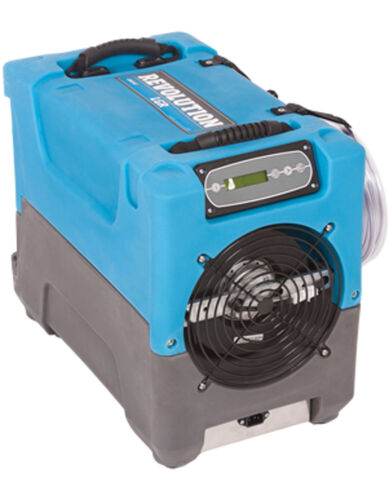
To understand whether dehumidifiers are safe, it helps to understand the mechanics.
Most domestic dehumidifiers work by:
- Drawing moist air across refrigerated coils
- Condensing moisture into a water tank
- Releasing drier air back into the room
Others use desiccant materials to absorb moisture.
They are designed specifically to reduce excess humidity, which itself can cause mould growth, respiratory irritation, and structural damage.
According to the NHS, damp and mould can significantly affect respiratory health. For more info check: https://www.nhs.uk/conditions/mould-health-risks/
Reducing excess humidity can therefore improve indoor health when done correctly.
Electrical Safety: Are Dehumidifiers a Fire Risk?
When used properly, modern dehumidifiers are built with:
- Automatic shut-off when water tanks are full
- Overheat protection
- Thermostatic controls
- Safety-certified wiring
However, problems may arise if:
- The appliance is placed near flammable materials
- Extension leads are overloaded
- Filters are not cleaned
- Air vents are blocked
The London Fire Brigade advises that electrical appliances should always be used according to manufacturer instructions to reduce fire risk. For more info check: https://www.london-fire.gov.uk/safety/the-home/electrical-safety/
So, are dehumidifiers safe from a fire perspective? Yes — provided they are maintained properly and used on suitable electrical circuits.
Health Considerations: Can Dehumidifiers Be Harmful?
Another reason people ask about dehumidifier safety is concern about breathing overly dry air.
While high humidity can cause mould, very low humidity (below 30%) may cause:
- Dry skin
- Irritated nasal passages
- Increased susceptibility to infections
The ideal indoor humidity level is generally between 40% and 60%.
A common mistake is running a dehumidifier continuously without monitoring humidity levels. This can over-dry the air unnecessarily.
The safest approach is to use a hygrometer to measure room humidity and adjust accordingly.
Are Dehumidifiers Safe for Children and Pets?
Yes, provided the appliance:
- Is placed out of reach
- Has stable positioning
- Has secured power cables
- Is emptied regularly
Modern units do not emit harmful substances. However, care should be taken to prevent children from tampering with water tanks or electrical components.
For households with pets, ensure air intake vents remain free from fur and debris.
Example Scenario: When Dehumidifiers Improve Safety
Consider a family living in a Victorian terrace with recurring condensation. Mould begins forming behind wardrobes and on window frames. One child develops a persistent cough.
By installing a properly sized dehumidifier and maintaining indoor humidity at 50%, mould growth stops and air quality improves.
In this case, asking “are dehumidifiers safe?” becomes less about risk and more about prevention. Used responsibly, they reduce hazards caused by damp conditions.
When Dehumidifiers May Become Unsafe
Although generally safe, certain behaviours increase risk:
1. Running Constantly Without Supervision
Leaving an appliance running continuously without monitoring may cause overheating in poorly ventilated spaces.
2. Ignoring Maintenance
Clogged filters restrict airflow, forcing the unit to work harder and increasing wear.
3. Using Old or Faulty Units
Older models may lack modern safety shut-offs. Always check for visible cable damage.
4. Placing on Uneven Surfaces
Water collection tanks can spill if units are unstable.
So, are dehumidifiers safe in all cases? Not automatically. Safety depends on responsible use.
Are Dehumidifiers Safe to Leave On Overnight?
Many homeowners ask this specifically.
Most modern dehumidifiers are designed to operate for extended periods. However, you must:
- Ensure good ventilation
- Confirm the automatic shut-off is functional
- Keep the unit away from curtains and bedding
- Use manufacturer-recommended settings
If you are concerned, choose models with built-in timers and humidity controls.
Energy Use and Safety
Another angle to “are dehumidifiers safe?” is energy efficiency.
Dehumidifiers consume electricity but generally less than tumble dryers or heaters. However:
- Avoid daisy-chained extension leads
- Use wall sockets directly
- Check plug temperature during early use
If the plug becomes unusually warm, discontinue use and consult a professional.
Can Dehumidifiers Spread Bacteria?
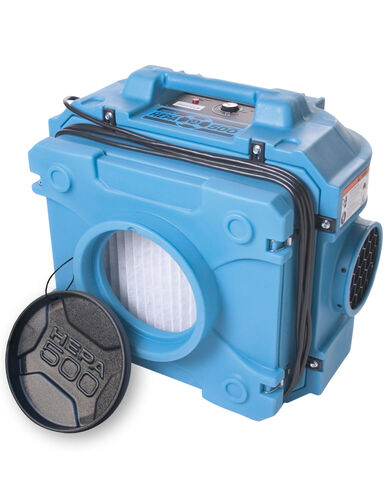
Poor maintenance can create stagnant water in tanks, potentially encouraging bacterial growth.
To prevent this:
- Empty tanks daily
- Clean tanks weekly
- Replace filters as recommended
- Avoid allowing water to sit for extended periods
Proper hygiene ensures continued safe operation.
Read also- Can Dehumidifiers Help in Restoration
Are Dehumidifiers Safe for Long-Term Use?
Yes, when used correctly.
In fact, for properties with:
- Chronic damp
- Basement moisture
- Poor ventilation
- Flood recovery needs
Dehumidifiers are often recommended by restoration professionals to prevent mould and structural decay.
Long-term safety depends on:
- Regular maintenance
- Monitoring humidity
- Ensuring electrical integrity
Choosing a Safe Dehumidifier
If you are purchasing a new unit, look for:
- CE marking
- Automatic shut-off
- Adjustable humidistat
- Overheat protection
- Quiet operation rating
- Energy efficiency certification
Avoid second-hand units without proper testing documentation.
Read also- how does a dehumidifier work for damp
The Bigger Picture: Damp Versus Dry
Often, the greater health threat is not the dehumidifier itself — but the damp environment it is addressing.
Excess moisture encourages:
- Mould spores
- Dust mites
- Structural rot
- Peeling paint
- Musty odours
So when asking if dehumidifiers are safe, it is equally important to ask whether leaving damp untreated is safer. In most cases, controlled humidity management is beneficial.
Conclusion
So, are dehumidifiers safe?
Yes — modern dehumidifiers are safe when used according to manufacturer guidance, properly maintained, and monitored for appropriate humidity levels.
They can significantly improve indoor air quality, reduce mould risk, and protect property from damp-related damage.
Like any electrical appliance, they require responsible usage. With proper care, dehumidifiers are not only safe but highly beneficial for maintaining a healthy home environment.
Frequently Asked Questions
1. Are dehumidifiers safe to use in bedrooms?
Yes, provided they are placed safely, maintained properly, and humidity levels are monitored to avoid over-drying.
2. Can a dehumidifier cause a fire?
Modern units include overheat protection and automatic shut-off features. Fire risk is low when used correctly and not connected to overloaded circuits.
3. What humidity level is considered safe indoors?
Between 40% and 60% is generally recommended for comfort and health.





