


Mould on fabric is one of the most common household nuisances, and almost everyone deals with it at some point. It happens whenever textiles stay damp for too long, which is why clothes, towels, curtains, and upholstery are all easy targets — especially in a climate as the UK’s. Left unchecked, mould can take hold in as little as 24 to 48 hours.
The result is those familiar grey, green, brown, or black spots, usually accompanied by a stubborn musty smell that survives a normal wash. Beyond looking unpleasant, mould on fabric can irritate your skin and airways and spread to nearby items if it’s ignored. The reassuring part is that most cases are surface-level and entirely treatable at home — the key is choosing a method that’s safe for the material and acting before the stain sets.
This guide covers what causes mould on clothes and other textiles, seven proven methods on how to remove mould from fabric, which one to use for each fabric type, and how to stop it coming back.
What Causes Mould on Fabric?
Mould grows on fabric whenever it stays damp long enough — and that can be as little as 24 to 48 hours. The usual culprits are:
- Leaving damp clothes in the laundry basket or washing machine too long
- Folding or storing clothes before they’re fully dry
- High humidity inside wardrobes and drawers
- Storing textiles in damp basements, lofts, or garages
- Leaky pipes or generally damp indoor conditions
Visit UK humidity control guide for more insights
Before You Start: Safety and Fabric Checks
To remove mould from fabric isn’t only about the stain — it’s about protecting your health too, because cleaning disturbs spores and sends them into the air.
- Wear protection. Use rubber gloves, eye protection, and an FFP2/N95 mask.
- Work outdoors if you can. Brush off loose mould outside with a soft brush so spores don’t spread through your home. Don’t shake the fabric.
- Check the care label first. It tells you the safe wash temperature and flags delicate materials like silk, wool, and certain synthetics that need gentler handling.
- Always spot-test. Try any solution on a hidden seam first to check it won’t strip the colour.
The Universal Method to Remove Mould From Fabric
Whichever product you choose below, the process is the same to remove mould from fabric:
- Brush off the surface mould outdoors.
- Pre-treat the stain with a mould-killing agent suited to the fabric (see the seven methods below) and leave it to work for 10–20 minutes.
- Wash hot — at the highest temperature the care label allows — with a good detergent.
- Air-dry fully, ideally in direct sunlight, which helps kill any remaining spores. Remove items promptly so they don’t sit damp.
- Inspect and repeat if the stain or smell lingers. Don’t tumble-dry or iron until the mould is completely gone, as heat can set the stain.
Want to tackle the stubborn dark stuff too? check: dealing with black mould.
7 Proven Methods to Remove Mould from Fabric
These are ordered from the most fabric-friendly to the harshest. Start gentle and only escalate if needed.
1. White vinegar — best all-rounder for mould
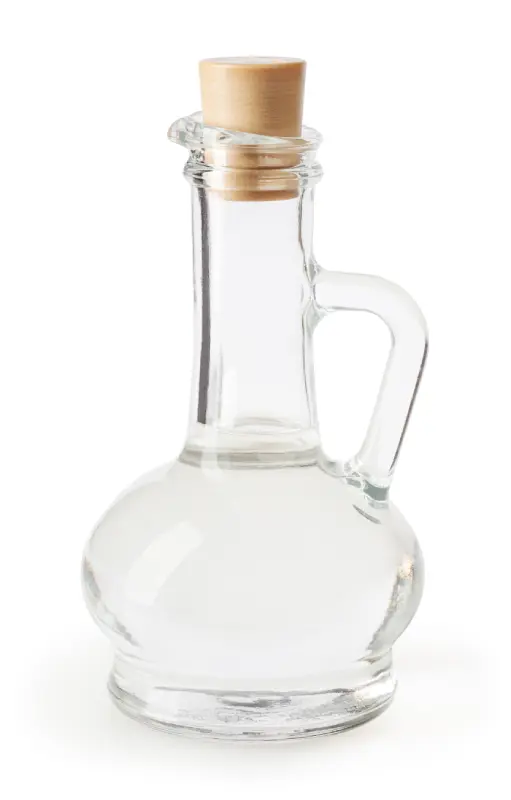
Distilled white vinegar is a popular and gentle solution to remove mould from fabric. Its mild acidity helps kill many common mould species and neutralise musty odours, while remaining safe for most fabrics, including many delicate materials when used correctly.
- Spray neat onto the stain, or pre-soak the item for an hour in a bucket of water with one cup of vinegar.
- For a full wash, add 1–2 cups of vinegar to the machine on a hot cycle.
2. Oxygen bleach (colour-safe bleach) — best for coloured fabrics
Often sold as a fabric mould remover, oxygen bleach (sodium percarbonate) is a gentler alternative to chlorine bleach and is safe for many coloured fabrics. It helps lift stains and kill mould effectively without stripping colour, making it a popular choice for treating mould-affected clothing and textiles.
- Dissolve in warm water per the product label and soak the item.
- Wash as normal at the hottest safe temperature. Spot-test first.
3. Bicarbonate of soda and vinegar — best for odour
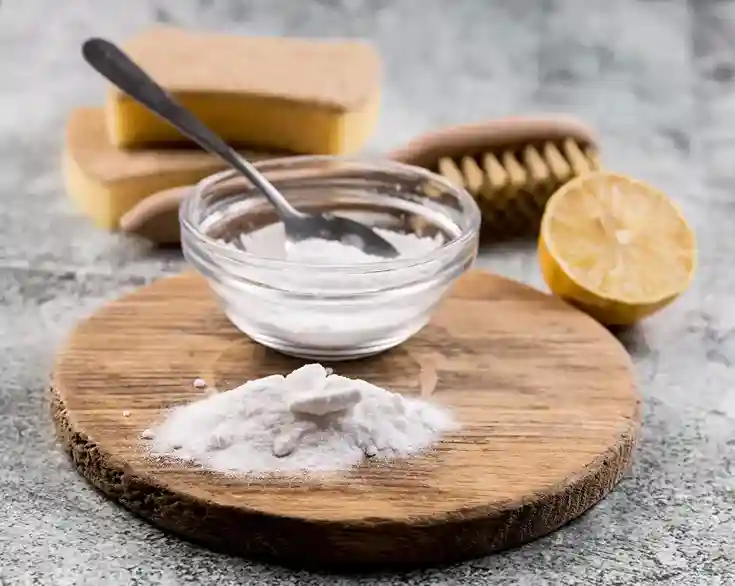
Bicarbonate of soda (baking soda) is excellent for helping remove mould from fabric, as it absorbs the musty odours mould leaves behind and enhances cleaning power when used alongside vinegar.
- Run a first wash cycle with vinegar to kill the mould.
- Add half a cup of bicarbonate of soda to a second cycle to lift the odour.
- Works on clothes, curtains, and upholstery.
4. Hydrogen peroxide — best for whites and light colours
Hydrogen peroxide is a strong disinfectant often recommended to remove mould from fabric because it can penetrate below the surface, whereas chlorine bleach mainly treats surface growth. For safe household use, stick to standard 3% hydrogen peroxide and avoid stronger industrial concentrations.
- Apply 3% peroxide directly, or mix 1 part peroxide with 4 parts water for organic fabrics like cotton and linen.
- Leave for 10–15 minutes, then wash hot.
- It has a bleaching effect, so always spot-test, and avoid it on wool and silk.
5. Borax — a natural laundry booster
Borax (or a borax substitute, which is what’s commonly sold in the UK) is a natural mineral that inhibits mould and helps remove stains.
- Dissolve half a cup fully in hot water, then add to the washing machine drum.
- Launder as normal. Keep it away from children and avoid inhaling the powder.
6. Tea tree oil — natural antifungal for spot-treatment
Tea tree oil is naturally antifungal and antimicrobial, useful for small outbreaks.
- Mix one teaspoon with one cup of water in a spray bottle.
- Spray the stain, leave for 10 minutes, then wash. It leaves a strong scent and isn’t ideal in homes with pets, so use sparingly.
7. Chlorine bleach — whites and colourfast fabrics only
Chlorine bleach is the harshest option to remove mould from fabric. It kills mould effectively but can strip colour and weaken fibres if misused, so it should only be used on white, colourfast cotton and other durable fabrics that can safely withstand bleach treatment.
- Use a heavily diluted solution following the label — never a strong 1:1 mix, which damages fabric.
- Soak briefly, then wash. Never mix bleach with vinegar or ammonia — it creates toxic fumes.
What about wool, silk, and leather?
For non-washable delicates, skip peroxide and chlorine bleach. Try diluted white vinegar or a fabric-safe specialist cleaner, lemon and salt for wool, or rubbing alcohol wiped gently onto leather. For anything labelled dry-clean only, brush off loose mould outdoors, seal the item in a bag, and take it to a dry cleaner — don’t apply water-based treatments at home.
Which Method for Which Fabric?
| Fabric type | Best options | Avoid |
|---|---|---|
| White cotton/linen | Hydrogen peroxide, chlorine bleach (diluted), vinegar | — |
| Coloured fabrics | Oxygen bleach, white vinegar, borax | Chlorine bleach |
| Delicates (silk, wool) | Diluted vinegar, lemon & salt, specialist cleaner | Peroxide, chlorine bleach |
| Leather | Rubbing alcohol (wipe, don’t soak) | Soaking, hot washing |
| Dry-clean only | Professional dry cleaning | Home water-based treatments |
How to Get the Musty Smell Out
Sometimes the stain lifts but the smell lingers — a sign that spores or moisture remain. Re-wash with a cup of white vinegar or bicarbonate of soda, dry the item fully in fresh air and sunlight, and resist masking the odour with fragrance. If moisture stays trapped (common in thick upholstery or foam cushions), the smell will keep returning until it’s properly dried out.
For lingering damp smells around the home, see our odour removal services.
How to Prevent Mould on Fabric
Prevention beats removal every time:
- Dry clothes thoroughly straight after washing — never leave them damp in the machine or basket.
- Use moisture absorbers like silica gel in wardrobes and drawers.
- Don’t store textiles in damp basements, lofts, or garages.
- Clean your washing machine and laundry basket regularly so spores can’t build up.
- Keep indoor humidity down — a dehumidifier helps in damp homes.
When to Call a Professional to Remove Mould from Fabric
Call in the experts on:
- If the mould covers extensive areas (more than 1m²).
- If you feel any health issue persists due to mould.
- If everything you have tried returns to give you a mould problem.
Disaster Care Capital is a certified remediation company that operates to high industry standards for safe and effective ways to remove mould from fabric service.
- Health & Safety Comes First – Protecting occupants & workers during the removal.
- Thorough Inspection – Using the latest technology to find visible mould as well as airborne mould spores.
- Safe Mould Removal – Utilizing non-toxic treatments to contain and kill mould with no further damage.
- Testing After Removal & Prevention – Air and surface cleanliness testing; correcting ventilation, leak, or moisture-related issues.
- Damage Restoration – Repairing any structural damage due to mould to maintain the best possible living conditions.
- Certified Mould Remediation – Peace of mind by duly certifying and providing official documents.
Conclusion on How to Remove Mould from Fabric
Mould on fabric can be rather unforgiving — so it’s important to choose the right cleaning solutions to remove mould from fabric effectively. Mould stains and odours can often be eliminated using bleach, vinegar, borax, or hydrogen peroxide, depending on the fabric type.
Always remember that prevention is the best remedy! If you’re wondering how to get mould out of fabric, keeping fabrics dry, well-ventilated, and properly stored is the best way to stop mould from developing in the first place and keep your home fresh, clean, and healthy.
So, the next time you face this problem, ask yourself how to remove mould from fabric? Save this guide and get back to it cause Disaster Care Capital offers the best mould remover for fabric.
FAQ’s on How to Remove Mould from Fabric
How to remove mould stains from coloured fabric?
To remove mould stains from coloured fabric, gently brush off loose mould, wash the item with a colour-safe detergent, and allow it to dry completely. Avoid harsh bleach products, as they may fade colours. For stubborn stains, use a fabric-safe mould remover designed for coloured materials.
Can mould stains be fully removed from fabrics?
Definitely! Bleach, vinegar and hydrogen peroxide will help remove mould from fabrics.
Some examples of delicate fabrics and the safest method to use on such fabrics?
Use white vinegar or tea tree oil for cleaning very subtly on silk, wool or lace.
How do I stop mould from regenerating?
1/ Dry immediately, 2/ Store fabrics in ventilated spaces, 3/ Clean laundry basket regularly.
Can I combine baking soda and vinegar?
Yes! Vinegar kills mould while baking soda absorbs the smell.
If my clothes have mould should I throw them away?
Not really. Vinegar and borax soaks should be tried before deciding to discard.
How do you kill mould on fabric?
To kill mould on fabric, wash the item with hot water (if the fabric allows), use white vinegar, oxygen bleach, or a suitable mould remover, and dry it completely—preferably in direct sunlight, which helps kill remaining mould spores.





