


It can be highly difficult to restore a damaged property. The entire process is quite stressful and also expensive, whether it is water, fire, or storm damage.
But here is the great news: there is a sleeker, more sustainable means to restore the damaged property.
Breaking top energy-efficient restoration practices-increase savings for you, cut environmental impacts, and make your place stronger for tomorrow.
Let’s find out:
What are energy-efficient restoration procedures?
- Green Restoration Techniques Advantages
- Best Eco-Friendly Materials for Property Repair
- How to Reduce Energy Costs While Restoring Property
- Best Insulation Solutions for Homes Damaged by Water
What are energy efficiency restoration techniques?
Simply put, energy-efficient restoration practices rejuvenate and restore properties in a way that saves energy, wastes less, and reduces cost in the long run.
Instead of just repairing the damage caused, these methods also improve the efficiency of your home. Improvements will lead to a more cost-effective and sustainable house over time.
Here’s an example of what that would look like:
- Using eco-friendly and sustainable long-life materials.
- Repairs and upgrading to better insulation to reduce heat loss and increase energy efficiency.
- Incorporating energy-efficient systems like LED lighting or efficient HVAC systems during repairs.
By taking this approach, you’re not just restoring your home—you’re upgrading it for the future.
For more information: click on energy efficient home-design practices
Benefits of Green Restoration Techniques
So, why should you consider energy-efficient practices when restoring your home? Let’s break it down:
Lower Energy Bills:
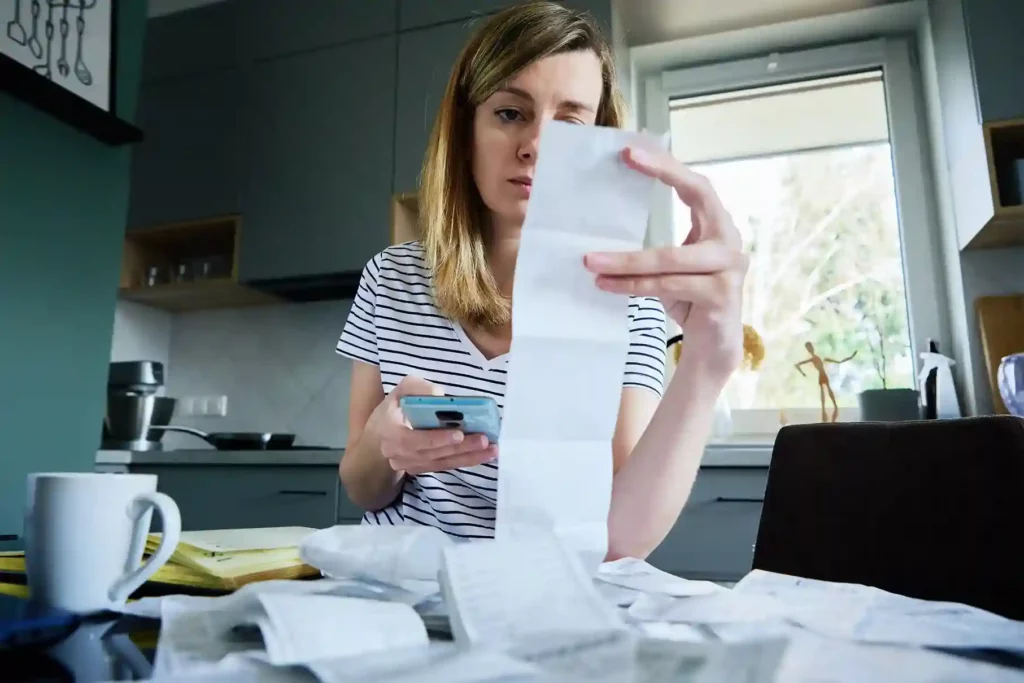
Repairs that include better insulation, Energy-efficient windows or upgraded heating systems ultimately mean spending less on energy.
1-Reduced Environmental Impact:
Green restoration minimizes waste and uses materials that are more friendly to Mother Earth.
2-Increased Property Value:
Energy-efficient upgrades make your home more appealing to prospective buyers should you decide to sell.
3-Improved Comfort:
A well-insulated, energy-efficient house stays warm in winter and cool in summer, providing a pleasant living environment.
4. Long-Term Durability:
Many energy-efficiency methods, such as high-performance insulation or eco-friendly building materials, are designed to last longer than conventional materials.
It’s a win-win for you and the environment.
Top Eco-Friendly Materials for Property Repairs
In restoration, sometimes the materials that you choose make a difference. Some of the best options are:
1-Reclaimed and Recycled Wood: It is the most useful from flooring to structural elements, durable, beautiful, and green.
2-Bamboo: Since it grows really fast, it is renewable and a superb material for flooring as well as cabinetry.
3-Invented Paints with Low VOCs: Normal paints usually release chemicals into the air. Designed for reducing the amount of volatile organic compounds, these paints are the healthier greener choice.
4-Recycled Insulation Material: Cellulose, recycled paper insulation or denim insulation are some materials with very good performance and very low impact on the environment.
5-Cork: It’s the right renewable material for floor and wall applications as it generally insulates and becomes soundproof.
Eco-friendly materials help the planet but also save on energy consumption.
How to Reduce Energy Costs During Restoration
Restoration is expensive enough without worrying about skyrocketing energy bills. Here are some ways to cut costs while rebuilding:
- Upgrade Appliances:
If you need to replace damaged appliances, choose energy-efficient models with high Energy Star ratings. - Install Energy-Efficient Windows:
Double or triple-glazed windows reduce heat loss and keep your home comfortable year-round. - Use LED Lighting:
LED bulbs consume significantly less energy and last much longer than traditional incandescent bulbs. - Consider Solar Panels:
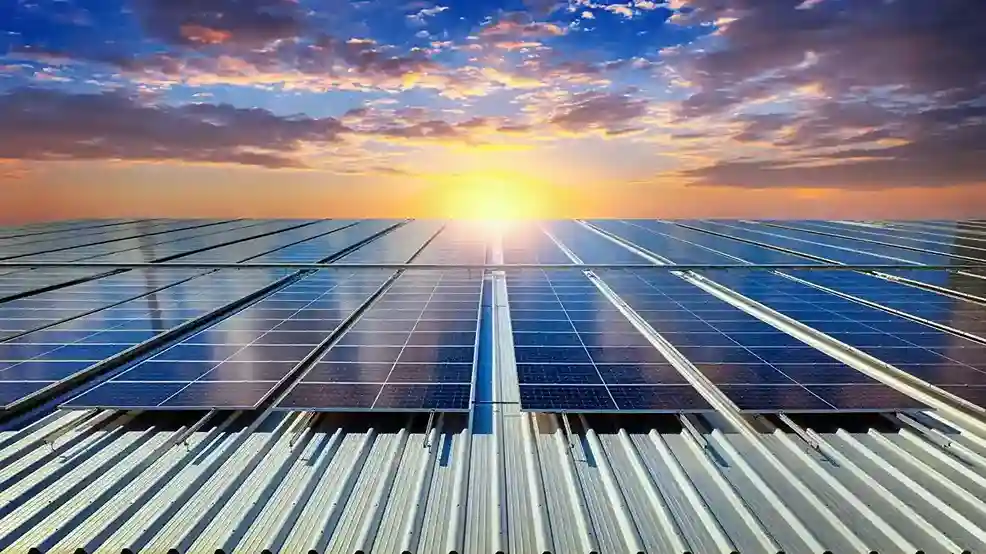
If you’re repairing or replacing your roof, it might be a good time to add solar panels to offset future energy costs. - Work with Professionals:
Hiring a restoration company familiar with energy-efficient techniques ensures you get the most out of your investment.
Every small change adds up to big savings over time.
Best Insulation Solutions for Water-Damaged Homes
If your home has been water damaged, upgrading your insulation is a must during restoration. Not only does it help with energy efficiency, but it also prevents further issues like mould and dampness.
Don’t forget to check our advanced water extraction services and our damp odour removal services
Here are the top insulation solutions to consider
- Spray Foam Insulation:
Great for hard-to-reach areas, spray foam creates an airtight seal, keeping moisture and heat out.
Made from recycled paper, this eco-friendly option resists mould and pests while offering excellent thermal performance.
3. Rigid Foam Boards:
These boards are perfect for walls and floors, providing high insulation levels and moisture resistance.
4. Fibreglass Batts:
A cost-effective option for attics and walls, fibreglass insulation is easy to install and improves energy efficiency.
5. Insulated Panels:
These panels combine insulation and structural strength, making them ideal for rebuilding water-damaged walls.
Choosing the right insulation not only helps your home recover but also prepares it to withstand future challenges.
Final Thoughts
Restoring your property after damage is about more than just fixing what’s broken—it’s an opportunity to build back better.
By embracing top energy-efficient restoration practices, you can save money, protect the environment, and create a more comfortable and durable home.
Ready to rebuild smarter? Let’s turn your property damage into an opportunity for a better future.
NEED HELP?





